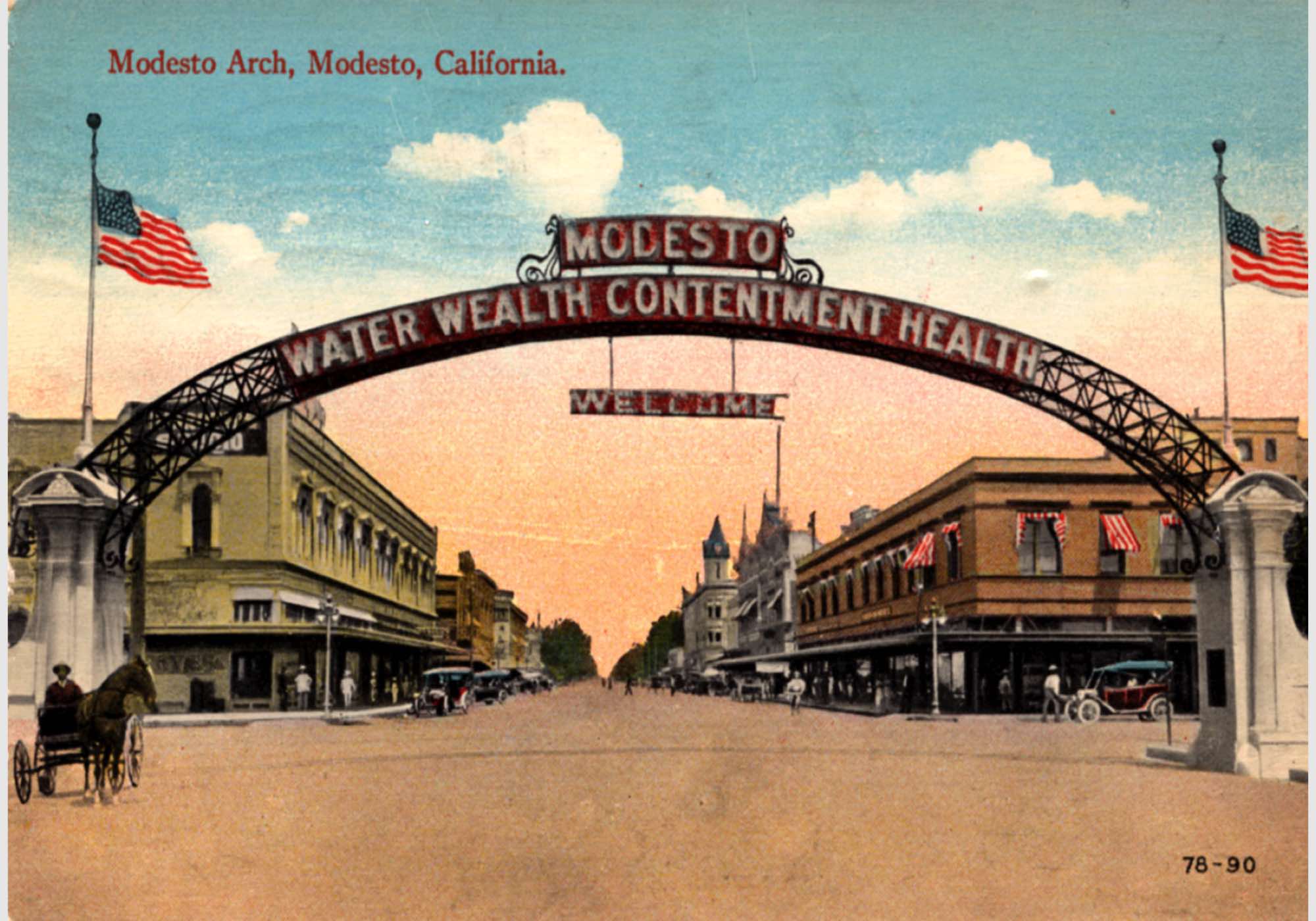
Modesto obits act as more than simple death announcements. They serve as a primary archive of local social history, capturing the economic shifts, agricultural heritage, and demographic changes of California's Central Valley. When you read through decades of records in publications like the Modesto Bee, you uncover a living record of how everyday residents built and defined the region's identity.
For historians, genealogists, and current residents, these records preserve individual legacies while mapping out the collective story of a growing city. Understanding how these notices function gives you a clearer view of local culture and family heritage.
The Historical Role of Obituaries in Central Valley Communities
Historically, local death notices provided essential information for tight-knit agrarian populations. In Modesto's early decades, communities relied on these notices to track family lineages, announce memorial gatherings, and record the passing of pioneers who cleared land or established local businesses.
Unlike major metropolitan papers that treated death notices as classified advertisements, regional newspapers often gave ordinary citizens detailed write-ups. This practice validated the contributions of farmworkers, small business owners, and teachers who shaped daily life. These texts recorded occupational shifts from farming and fruit packing to modern retail and healthcare, offering an unvarnished timeline of economic progress.
- Genealogical tracking: Providing birth locations, maiden names, and survivor trees for family research.
- Social cohesion: Notifying neighbors and extended networks of community losses before the era of instant communication.
- Economic documentation: Recording shifts in primary local industries through changing job titles and employer mentions.
How Digital Archives Transform Local Remembrance
The shift from print columns to online databases changed how people interact with Modesto obits. Modern digital platforms make it possible to search decades of archives in seconds, turning scattered local records into searchable historical databases.
Platforms managed by institutions like the Stanislaus County Library allow researchers to trace family trees without flipping through fragile microfilm reels. Yet, this digital transition also introduces challenges. Online memorial pages often rely on paid subscriptions or fragmented hosting sites, making long-term preservation dependent on private corporate archives rather than permanent public library holdings.
The Benefits of Digitization
Searchable databases let you cross-reference names with historical city directories, census records, and local property deeds. You can track how families moved across neighborhoods or how specific surnames persisted in the region over a century.
Preserving Vulnerable Records
While modern tools make access easier, older print editions face degradation. Local historical societies work to digitize mid-century newspapers, ensuring that small-town records don't disappear when physical newsprint decays.
Obituaries as Sociological and Demographic Documents
If you examine a decade of death notices from Modesto, patterns emerge that reflect broader American social shifts. Immigration waves appear clearly in surname distributions, church affiliations, and language preferences in memorial services.
Changes in family structures also show up clearly in these texts. Mid-century notices highlighted large, localized extended families, whereas contemporary entries often reflect dispersed relatives across multiple states, acknowledging remote attendance at memorial services.
- Immigration trends: Documenting the arrival of Portuguese, Italian, Hispanic, and Assyrian communities through cultural and religious organization memberships.
- Gender role evolution: Tracking the transition of women's identities from solely domestic descriptions to independent professional titles and community leadership roles.
- Healthcare advancements: Revealing changing life expectancies and the prevalence of specific chronic illnesses over generations through stated causes of death or memorial donation preferences.
Educational Uses in Modesto Classrooms
Local educators increasingly use historical death notices as primary source documents in social studies and English classrooms. Instead of studying distant historical events in isolation, students examine actual texts written about people who walked the same streets decades prior.
Reading notices from the World War II era or the post-war suburban boom gives students personal context for macroeconomic shifts. It teaches critical analysis, showing how writers frame a person's life based on the social norms of their specific decade.
Common Mistakes in Genealogical Research Using Obituaries
When researchers rely solely on death notices for family history, they often run into inaccuracies. Family members submitting notices under emotional stress occasionally misremember birth dates, spelling variations, or parental names.
- Assuming total accuracy: Treating sentimental family recollections in a notice as verified vital statistics without cross-referencing birth or marriage certificates.
- Ignoring naming conventions: Overlooking maiden names or cultural naming practices that changed across immigrant generations.
- Relying on a single source: Failing to check multiple local publications or competing community papers that might have covered the same individual.
Frequently Asked Questions
Where can I find historical Modesto obits online?
You can search archives through local library databases, historical newspaper repositories, and major genealogy platforms like FamilySearch, which index regional California records.
Why do some older Modesto death notices lack detail?
Early 20th-century notices were often brief, paid line items focused strictly on funeral arrangements and basic vital stats, whereas mid-century papers expanded into narrative life stories.
How do digital memorial platforms differ from traditional newspaper obits?
Digital platforms often allow permanent comments, photo galleries, and ongoing updates from friends, while traditional print notices remain fixed historical snapshots tied to a specific publication date.
Can local obituaries help with property or land research?
Yes. Mentioned locations, farm names, and surviving family residences often provide clues that align with county land deeds and tax assessor records.



