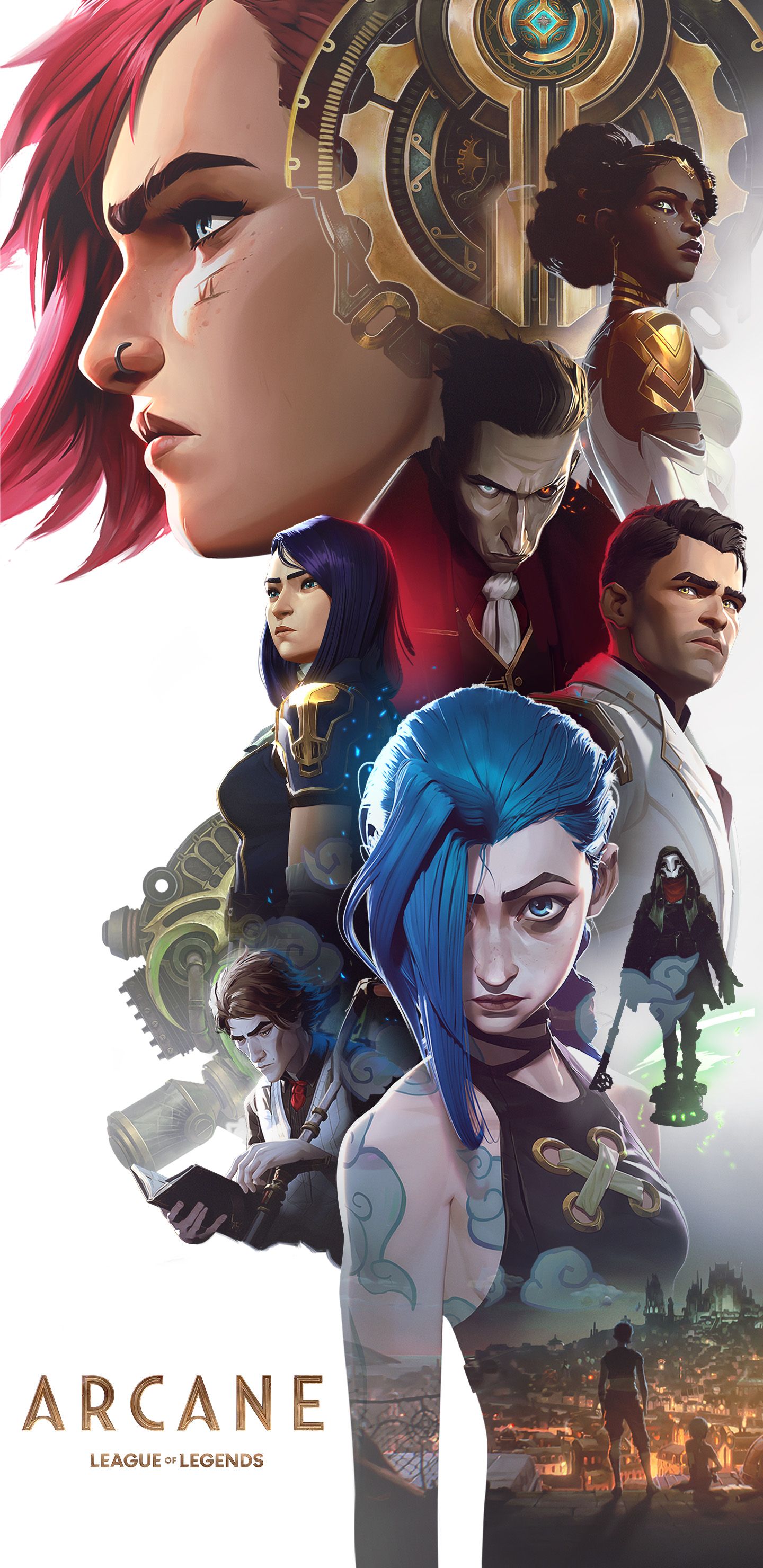
Modern arcane art functions as a distinct visual vocabulary built on centuries of esoteric symbolism, ritual mechanics, and hidden iconography. Rather than serving as mere decoration, these works operate as functional frameworks designed to evoke psychological resonance and metaphysical inquiry. If you've ever looked at contemporary occult illustrations, sigil-based branding, or visionary paintings and wondered how they communicate complex spiritual concepts, you're looking at a structured system of visual codes.
The primary keyword behind this aesthetic is arcane art, capturing how contemporary creators translate ancient grimoires, alchemical diagrams, and esoteric philosophies into modern mediums. While casual observers see random occult motifs, practitioners and art historians recognize a rigorous discipline. This guide breaks down the core mechanics of modern arcane art, examining how sigils, color theory, and archetypal imagery shape this enduring cultural aesthetic.
The Architecture of Sigils in Modern Visual Culture
At the core of arcane art lies the sigil—a stylized symbolic figure charged with specific intent. Historically rooted in ceremonial magic and chaos magic traditions popularized by artists like Austin Osman Spare, sigils translate complex desires or philosophical concepts into minimalist geometric glyphs.
In contemporary design, you'll spot these geometric codes in album artwork, streetwear branding, and digital illustrations. The creation process follows a disciplined methodology:
- Intent formulation: The artist writes out a clear, concise statement of purpose or abstract concept.
- Reduction: Vowels and repeating consonants are stripped away from the statement.
- Synthesis: The remaining letters are combined into a balanced, symmetrical glyph that masks its original textual origin.
- Integration: The finished sigil is embedded into a larger composition, acting as a visual anchor.
By bypassing conscious literary interpretation, these symbols speak directly to the viewer's subconscious pattern recognition. They create an immediate sense of mystery and psychological depth that standard graphic design cannot replicate.
Color Alchemy and Material Resonance
Color choice in arcane art is never arbitrary. Creators draw from traditional symbolic color associations rooted in historical hermeticism and alchemy. Every hue carries a specific psychological and energetic weight, influencing how the viewer interacts with the piece.
- Deep Indigo and Violet: Associated with perception, introspection, and hidden knowledge, these shades anchor nocturnal and psychological compositions.
- Crimson and Vermilion: Representing vitality, transformation, and friction, these warm tones draw immediate focus and evoke intense emotional responses.
- Metallic Gold and Raw Ochre: Used to denote permanence, illumination, and the alchemical transmutation of base materials into higher states.
Material choice further amplifies these effects. Many contemporary creators incorporate traditional media—such as egg tempera, crushed mineral pigments, and metallic leaf—alongside digital tools. The physical texture of a hand-ground pigment mimics the granular complexity of ancient manuscripts, giving digital and printed works a tactile weight. For deeper insights into historical pigment chemistry and conservation, consult resources provided by the Metropolitan Museum of Art.
Archetypal Imagery and the Collective Unconscious
Arcane art relies heavily on universal archetypes derived from mythology, tarot iconography, and psychological frameworks established by Carl Jung. Figures such as the threshold guardian, the alchemical androgyne, or the celestial wheel tap directly into ancestral memory.
When an artist depicts the threshold or the labyrinth, they aren't just drawing physical architecture. They are visualizing the psychological transition between conscious awareness and the unknown. Because these archetypes resonate across diverse cultures, they allow creators to communicate complex existential themes without relying on explicit text. The artwork functions as a mirror, prompting observers to project their internal narratives onto the visual structure.
The Digital Shift: Generative Esotericism
The digital era transformed how arcane art is produced and distributed. Creators now use procedural generation, algorithmic scripting, and vector software to construct intricate mandalas and sacred geometry that would take months to draft by hand.
This technological migration mirrors the historical transition from handwritten papyri to printed grimoires like those archived by the Library of Congress. Code acts as a modern script, where loops and mathematical functions replace handwritten incantations. Generative arcane art proves that esoteric visual traditions adapt fluidly to new mediums, bridging ancient symbolic frameworks with cutting-edge digital craftsmanship.
Common Mistakes in Creating Arcane Art
Creators approaching this genre often fall into predictable traps that undermine the authenticity and visual impact of their work. Avoiding these pitfalls ensures your compositions carry genuine narrative weight.
- Overcrowding symbols: Piling every occult sign, moon phase, and alchemical symbol into a single composition creates visual clutter rather than meaningful resonance. Simplicity breeds impact.
- Ignoring composition hierarchy: Treating every element with equal visual weight destroys the focal point. Guide the viewer's eye deliberately through the piece.
- Relying on cliché clip art: Using generic, low-resolution vector pentagrams or eye-in-triangle icons strips the work of originality. Custom geometry is essential for a compelling aesthetic.
Frequently Asked Questions
What distinguishes arcane art from standard fantasy illustration?
While fantasy illustration prioritizes narrative storytelling and world-building within a fictional universe, arcane art focuses primarily on symbolic resonance, psychological archetypes, and abstract metaphysical concepts. It functions more like a visual language or philosophical diagram.
Do I need to practice magic to create or appreciate arcane art?
Not at all. While many creators draw inspiration from esoteric traditions, arcane art is fundamentally an aesthetic and psychological discipline. It relies on universal human responses to geometry, symmetry, and historical iconography.
How do contemporary artists modernize traditional esoteric symbols?
Artists update these symbols by stripping away dogmatic clutter, experimenting with minimalist vector lines, integrating contemporary color palettes, and applying them to modern contexts like apparel, digital interfaces, and modern printmaking.
Where can I study the historical roots of these symbols?
You can explore historical grimoires, alchemical treatises, and symbolic art histories through digitized collections maintained by academic institutions and national libraries, such as the British Library.



