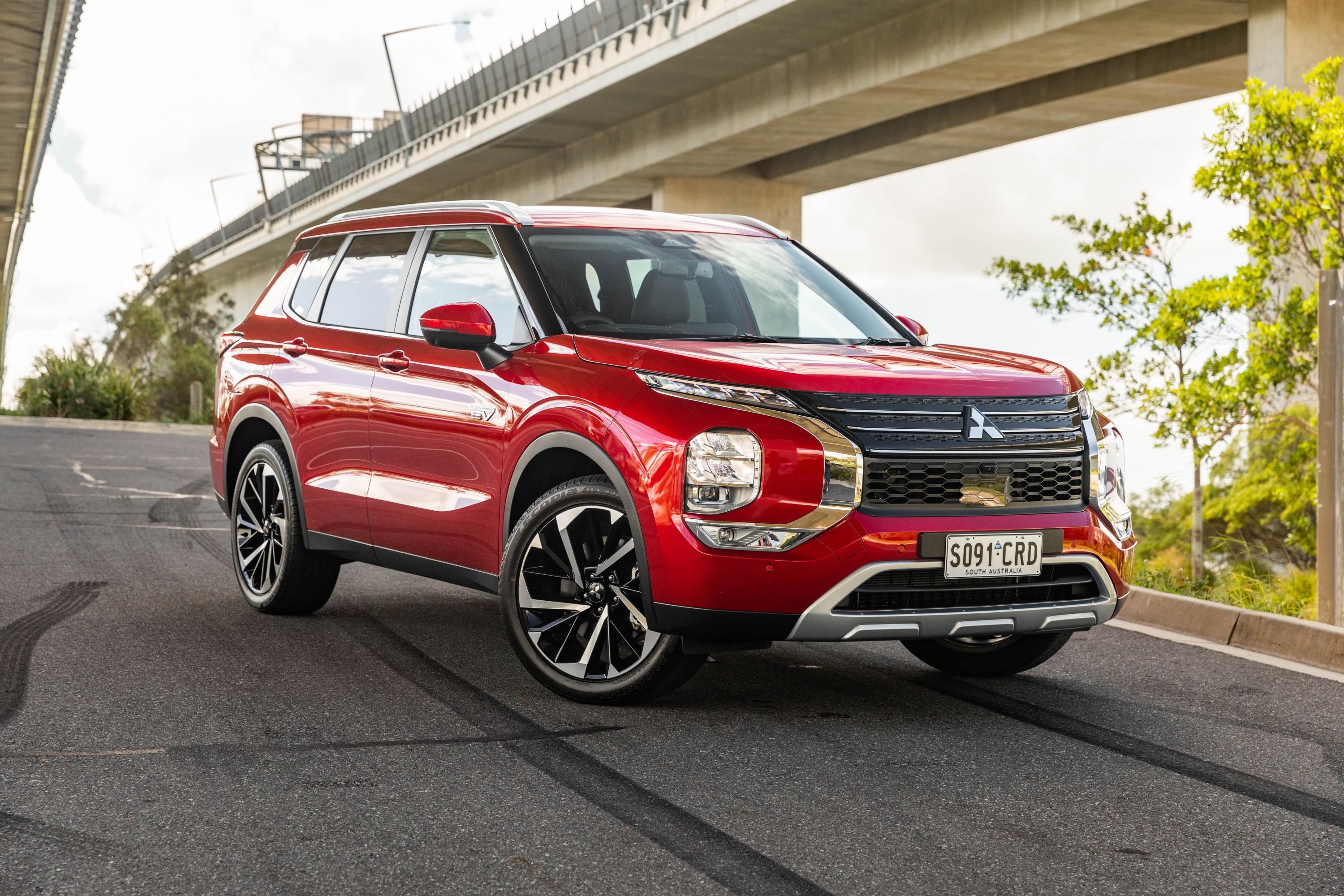
The Mitsubishi Pajero automatic transmission represents a vital chapter in the evolution of rugged off-road sport utility vehicles. Combining mechanical durability with precise torque management, this gearbox design enabled drivers to handle steep inclines, heavy towing loads, and highway cruising without manual clutch fatigue. When enthusiasts talk about the transition from traditional mechanical setups to modern clutch-independent systems, they often point to the Pajero as a benchmark for reliability.
Choosing an automatic gearbox in a heavy-duty sport utility vehicle requires balancing efficiency with long-term mechanical endurance. The Pajero solved this challenge through robust hydraulic control systems and sturdy gear sets. This article examines the core engineering behind the automatic transmission in the Mitsubishi Pajero, its performance characteristics across varied terrain, and essential maintenance practices to keep the drivetrain operational.
Evolution of the Pajero Drivetrain
Early iterations of rugged four-wheel-drive vehicles relied almost exclusively on manual gearboxes to maximize engine braking and direct power delivery. However, demand shifted as drivers sought comfort during long overland expeditions. Mitsubishi responded by integrating advanced automatic gearboxes that preserved low-range transfer case capabilities.
The integration of the INVECS (Intelligent and Innovative Vehicle Electronic Control System) series marked a major turning point. This adaptive learning technology allowed the transmission to memorize driver habits and adjust shift points dynamically. Whether climbing a rocky trail or navigating stop-and-go urban traffic, the computer logic optimized gear selection to reduce unnecessary shifting and fluid heat generation.
Technical Specifications and Operation
The automatic units paired with the Pajero's robust engine lineup—such as the 3.2-liter diesel and larger V6 petrol configurations—were built to withstand high torque loads. Unlike fragile gearboxes found in lighter crossovers, these transmissions utilized heavy-duty torque converters with lock-up clutches. This design minimized slippage at cruising speeds, improving fuel economy on long highway stretches.
Key operational features of the automatic layout include:
- Manual Mode Integration: Drivers could manually select gears sequentially by bumping the gear lever into a dedicated sport gate, mimicking manual control when descending steep grades.
- Robust Fluid Cooling: Factory auxiliary transmission oil coolers prevented thermal breakdown during heavy towing or low-range crawling.
- Seamless Integration with Super Select II: The automatic gearbox communicated directly with the transfer case, allowing shift-on-the-fly transitions between rear-wheel drive and four-wheel drive at speeds up to 100 kilometers per hour.
For official manufacturer specifications regarding vehicle maintenance intervals, consult the Mitsubishi Motors Global Website.
Performance Across Diverse Terrain
Off-road capability depends heavily on how power is modulated from the crankshaft to the wheels. Torque converter multiplication provides a distinct advantage over manual clutches when starting on loose surfaces like deep sand or mud. Instead of risking a stall, the automatic system slips smoothly while maintaining steady forward momentum.
During rock crawling in low range, the torque multiplication effect allows the vehicle to creep over obstacles at minimal engine speeds. Drivers don't have to worry about riding the clutch or burning friction plates. The hydraulic pressure within the transmission absorbs sudden shock loads from boulders, protecting internal shafts and differential components from premature fracture.
Maintenance and Common Failure Points
Even the most durable automatic gearboxes require strict adherence to service schedules. Neglecting transmission fluid leads to valve body varnish, delayed engagement, and eventual clutch pack failure.
- Fluid Replacement Intervals: Change the automatic transmission fluid (ATF) every 40,000 to 50,000 kilometers, especially if the vehicle sees regular towing or heavy off-road use.
- Filter Inspection: Always replace the internal pickup filter whenever dropping the transmission pan during a major service.
- Temperature Monitoring: Install an aftermarket transmission temperature gauge if you regularly tow trailers exceeding 2,500 kilograms in hot ambient climates.
A common mistake owners make is assuming "lifetime fluid" claims found in some later automotive manuals. Transmission fluid degrades under high thermal stress, losing its shear stability and protective additive packages. Regular fluid flushes prevent erratic shifting and harsh engagement.
For detailed historical context on automotive engineering milestones and safety standards, review records published by the National Highway Traffic Safety Administration.
Frequently Asked Questions
What type of transmission fluid does a Mitsubishi Pajero automatic require?
Always check the specific production year and transmission model code stamped on the firewall plate. Using the incorrect fluid viscosity can ruin internal rubber seals and cause harsh shifting. Refer to certified workshop manuals for exact fluid certifications.
Can I tow heavy trailers with an automatic Pajero?
Yes, the robust torque converter and auxiliary cooling systems make these vehicles exceptional towing platforms. Always ensure your trailer brakes are synchronized properly and monitor your transmission temperatures on long ascents.
Why does my automatic transmission shift sluggishly when cold?
Automatic gearboxes rely on hydraulic fluid pressure that thickens at low temperatures. A brief warm-up period allows the fluid to reach optimal operating viscosity, restoring normal shift crispness.
Is it possible to convert an automatic Pajero to a manual transmission?
While technically feasible, this conversion requires extensive mechanical modifications, custom crossmembers, pedal box installations, and computer ECU reprogramming. It's generally cost-prohibitive and rarely justified given the capability of the factory automatic setup.



