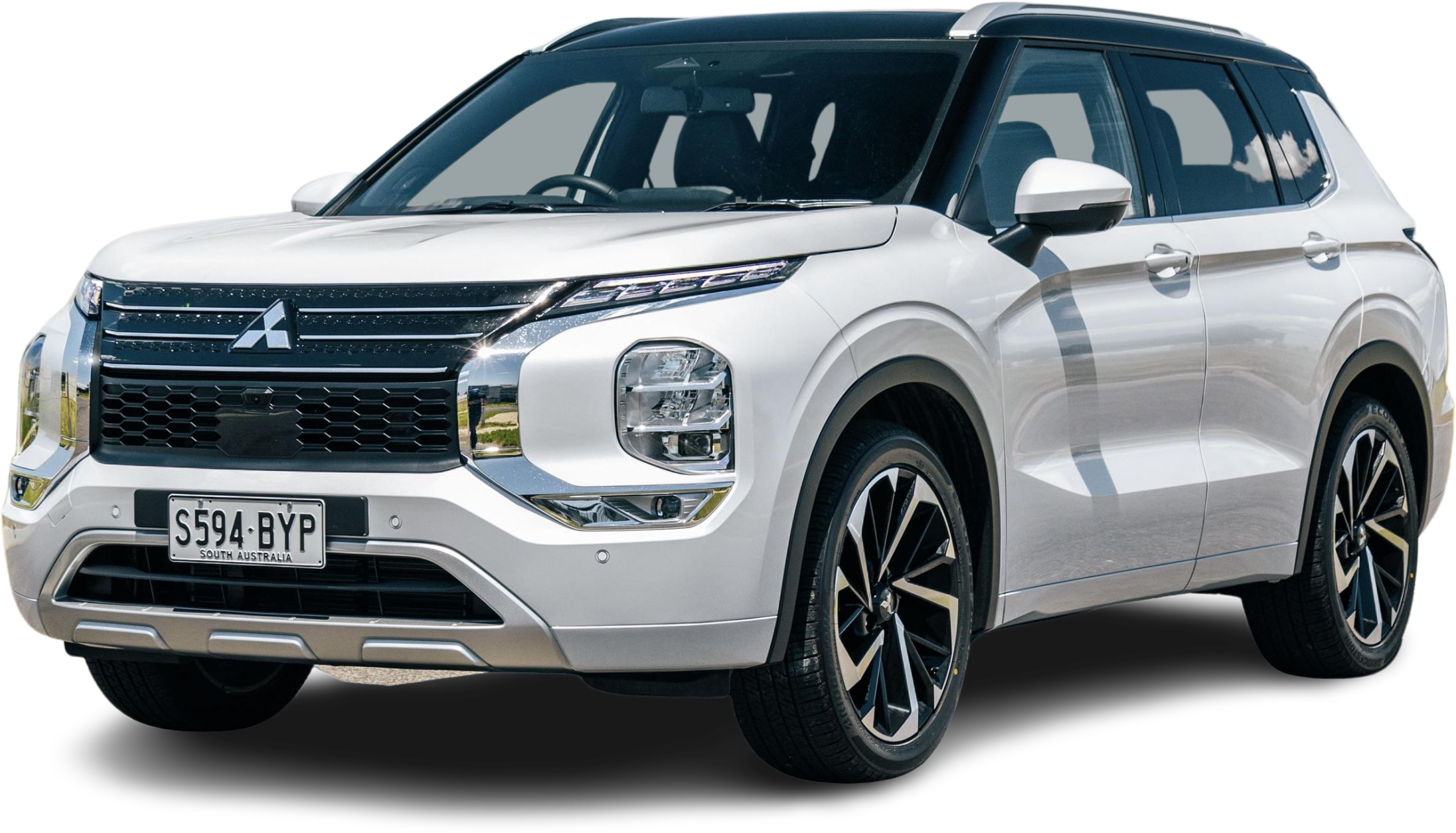
When Mitsubishi retired the iconic Montero—known globally as the Pajero—enthusiasts mourned the loss of a Dakar Rally titan. Rumors surrounding a modern comeback have swirled for years, blending internet hype with hard mechanical data on what a resurrected flagship utility vehicle needs to survive in a crowded modern market. To understand if a revival can capture past glory, we have to look past the marketing noise, examine actual platform architectures, and weigh the engineering reality against nostalgic expectations.
The primary search intent behind the Montero revival centers on whether Mitsubishi will build a true body-on-frame off-roader or just slap an old legendary badge onto a soft crossover. Buyers want to know specs, drivetrain capabilities, and whether the revival can genuinely challenge modern stalwarts like the Toyota Land Cruiser. Let's break down the heritage, the mechanical data, and the market pressures shaping this iconic nameplate's return.
The Weight of Heritage: Why the Montero Name Matters
The Montero name carries immense equity built across decades of punishing cross-country endurance racing. Unlike modern unibody SUVs designed primarily for school drop-offs, the classic Montero earned its reputation in the deserts of the Dakar Rally. It combined a robust ladder-frame chassis with advanced four-wheel-drive technology, proving that rugged durability could coexist with relative everyday comfort.
When production phased out, a void opened in Mitsubishi's lineup. Fans didn't just want a replacement; they wanted a vehicle that maintained mechanical purity. The challenge for any modern revival is honoring that tough heritage without ignoring tightening global emissions standards and modern safety mandates. Rebuilding a legend requires respecting the mechanical DNA that made the original indestructible.
Hard Data and Platform Realities
Hype is cheap, but platform engineering dictates what a vehicle can actually do. Modern automotive revivals often stumble when brands try to stretch existing car-based platforms beyond their structural limits. For a true Montero successor, engineers must rely on truck-derived architectures—similar to the robust frames underpinning modern midsize pickup platforms—to handle severe articulation and towing stress.
- Chassis Architecture: A dedicated ladder-frame foundation is non-negotiable for serious off-road capability, providing the torsional rigidity needed for rock crawling and heavy towing.
- Drivetrain Systems: Expect an evolution of Mitsubishi's signature Super Select 4WD system, offering full-time capability, low-range gearing, and locking differentials.
- Powertrain Options: Traditional high-displacement V6 engines are giving way to turbocharged diesel variants and advanced plug-in hybrid setups that provide low-end torque essential for technical off-road maneuvers.
Weight management also dictates fuel efficiency and payload limits. Older generations were famously heavy, which aided stability but hurt fuel economy. Modern metallurgy and high-strength steels allow manufacturers to build stronger frames while shedding unnecessary pounds, balancing efficiency with brute strength.
Market Positioning and Competition
Reentering the rugged SUV segment means walking into a crossfire. Competitors haven't stood still while fans waited for Mitsubishi to make a move. Toyota dominates the traditional heavy-duty space with updated Land Cruiser variants, while brands like Ford and Land Rover capture lifestyle buyers with vehicles balancing retro aesthetics and modern tech.
For the Montero to carve out market share, it cannot rely solely on nostalgia. It has to undercut or outperform rivals on utility. Pricing, interior ergonomics, and out-of-the-box off-road readiness will dictate whether it attracts serious adventurers or remains a niche curiosity. Buyers demand modern infotainment, smartphone integration, and comprehensive driver-assistance suites without sacrificing analog controls for critical functions like four-wheel-drive engagement.
Common Misconceptions About SUV Revivals
Automotive forums are filled with wishful thinking, but enthusiasts often misinterpret manufacturer announcements. Distinguishing between a regional trim refresh and a ground-up generational reboot prevents misplaced expectations.
- Misconception: Every market gets the exact same flagship model. In reality, regional emissions laws and local truck preferences often dictate whether a heavy off-roader reaches North American showrooms or remains exclusive to Asian and Middle Eastern markets.
- Misconception: Unibody crossovers can handle extreme trails with minor suspension lifts. While unibody structures work well for light camping, they lack the structural durability of body-on-frame platforms under sustained heavy impact.
- Misconception: Revival models will match the inflation-adjusted price of discontinued predecessors. Modern safety regulations and electrification requirements push baseline manufacturing costs higher.
Frequently Asked Questions
Is the Mitsubishi Montero the same vehicle as the Pajero?
Yes. Montero was simply the marketing name used in North America, Spain, and a few other regions to avoid unfavorable translation issues in Spanish-speaking markets, while Pajero and Shogun were used elsewhere.
Will a new Montero feature a manual transmission?
Given current global industry trends and the heavy towing demands placed on large SUVs, manual gearboxes are increasingly rare. Expect advanced multi-speed automatic transmissions or electrified gearsets designed to optimize power delivery across varying terrain.
Can a modern revival match the off-road durability of older generations?
Modern manufacturing techniques actually improve structural consistency and rust resistance compared to older models. However, the integration of complex electronic sensors and wiring harnesses requires careful protection for deep-water wading.
Where is the primary market for large traditional Mitsubishi SUVs?
While enthusiast interest spans the globe, the strongest sales volume for rugged, body-on-frame Mitsubishi utility vehicles traditionally comes from the Middle East, Australia, and parts of Southeast Asia, where demanding terrain keeps demand for mechanical four-wheel drive high.



