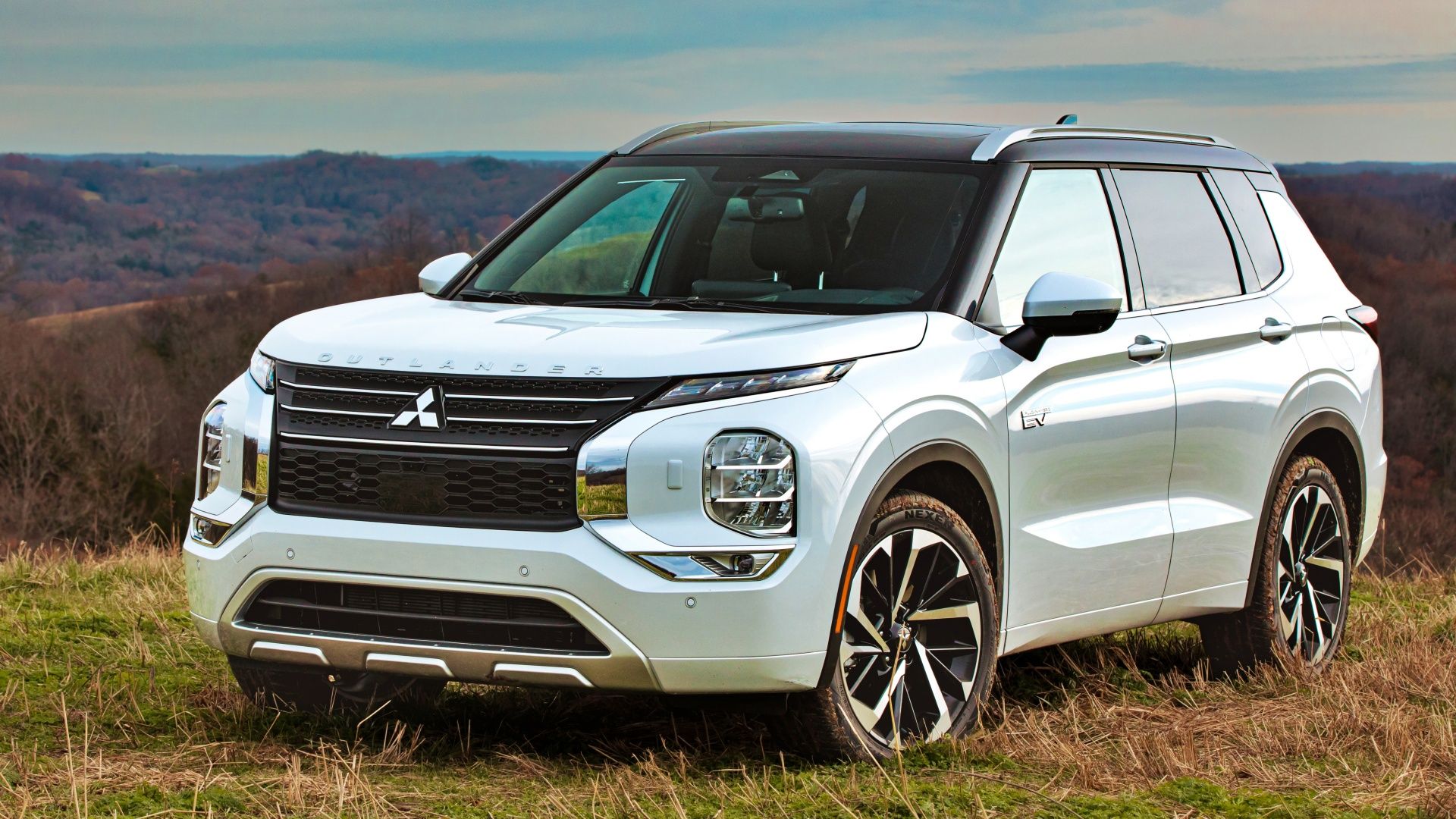
The Mitsubishi Lancer Evo VI represents the absolute peak of late-1990s Japanese rally engineering transferred directly to public asphalt. Built to conquer the World Rally Championship, this turbocharged powerhouse didn't just win trophies; it defined an entire era of grassroots car culture and aggressive street styling. If you're looking for the car that cemented Mitsubishi's dominance in motorsports while capturing the imagination of teenage bedroom posters worldwide, you're looking right at the Evo VI.
Beneath its vented aluminum hood and boxy silhouette lies a serious machine engineered for brutal performance. The legendary 2.0-liter turbocharged 4G63 engine pumped out factory outputs capped at 276 horsepower due to the Japanese gentleman's agreement, though actual output was often higher. Coupled with an advanced all-wheel-drive system and active yaw control, it gripped corners with a ferocity that left heavier sports cars stranded. We're going to break down everything that made this generation special, from its homologation roots to its mechanical quirks and lasting legacy.
The Rally Roots and Homologation Origins
To understand the Evo VI, you have to look at the World Rally Championship regulations of the late 1990s. Group A rules required manufacturers to build a minimum number of road-legal production variants to compete. Mitsubishi didn't just build a homologation special; they built a weapon.
Tommi Makinen was unstoppable behind the wheel. He piloted the Lancer Evolution to four consecutive World Rally Drivers Championships from 1996 through 1999. The Evo VI arrived in early 1999, incorporating direct aerodynamic and cooling lessons learned from punishing stages across Kenya, Corsica, and Finland. Engineers didn't just tweak badges. They redesigned pistons, optimized cooling channels, and reshaped the front bumper to feed air directly into the oil cooler.
When you look at period FIA rulebooks, you see why road cars shared so much DNA with their rally counterparts. The suspension geometry, turbocharger compressor design, and intercooler water spray system weren't mere gimmicks. They were functional systems engineered to survive grueling endurance stages. If you want to dive deeper into the sanctioning body's history, check out the FIA official archive.
Engine Engineering and Mechanical Specifications
The heart of the Evo VI remains the cast-iron block 4G63 engine. It's a stout powerplant capable of handling massive boost increases with stock internals, which made it a favorite among tuners.
The twin-scroll turbocharger spooled quickly, delivering low-end torque that made stoplight launches punishing for rivals. Mitsubishi also updated the cooling setup for the Evo VI by installing a larger oil cooler and reshaping the bumper openings. This solved thermal management issues that plagued earlier generations during sustained high-rpm track sessions.
- Engine Code: 4G63 2.0-liter inline-four turbocharged
- Power Output: 276 horsepower at 6,500 rpm (claimed)
- Torque: 273 lb-ft at 3,000 rpm
- Transmission: 5-speed manual with close-ratio gearing
- Drivetrain: Full-time all-wheel drive with Active Yaw Control (AYC)
Curb weight hovered around 1,360 kilograms, making the car remarkably agile. The chassis featured reinforced spot welds and increased rigidity over the Evo V, allowing the suspension to work harder without flexing the monocoque. You can read more about Mitsubishi's heritage vehicles on the Mitsubishi Motors global site.
Trims and Special Editions: GSR, RS, and Tommi Makinen
Mitsubishi offered several distinct variants of the Evo VI, each tailored for a different buyer. Knowing the differences is crucial if you're evaluating one today.
The GSR was the fully equipped road-going model. It featured automatic climate control, power windows, sound deadening, Recaro bucket seats, and Brembo brakes. It's what most enthusiasts picture when they talk about driving a classic JDM legend on weekend mountain roads.
The RS was built for motorsport. It stripped out all creature comforts to save weight. Manual windows, no air conditioning, steel wheels, and a simpler four-wheel-drive system without Active Yaw Control made the RS a blank canvas for rally cross teams and privateer racers.
Then came the pinnacle: the Tommi Makinen Edition (often called the TME or Evo 6.5) released in 2000. It celebrated Makinen's fourth title with specific upgrades:
- A quicker steering rack ratio for sharper turn-in response.
- A titanium turbine wheel that spooled 500 rpm sooner than the standard turbo.
- Lowered tarmac-spec suspension geometry.
- A unique front bumper design and optional WRC-replica decal package.
Common Mechanical Issues and Ownership Realities
Owning an Evo VI today isn't like driving a modern commuter car. These machines are decades old, and many have lived hard lives. If you're looking at purchasing or maintaining one, watch out for these recurring problem areas.
Rust is public enemy number one. Japanese imports often hide corrosion underneath plastic side skirts, rear quarter panels, and subframes, especially if they spent winters on salted roads. Always inspect the chassis on a lift.
The 4G63 is reliable, but neglected maintenance destroys them. Timing belts must be changed every 60,000 miles or five years without exception. If a belt snaps, valves meet pistons instantly. Additionally, the Active Yaw Control system on GSR models relies on a complex hydraulic rear differential. When the AYC pump fails, it triggers a dashboard warning light and expensive repair bills. Many owners eventually service or replace these pumps with upgraded seals.
For a broader look at how classic Japanese performance cars are viewed in contemporary automotive journalism, see coverage from Car and Driver.
Frequently Asked Questions
What makes the Lancer Evo VI different from the Evo V?
The Evo VI refined the aggressive aero of the Evo V with improved cooling channels, a larger oil cooler, reinforced engine internals, and a redesigned rear spoiler with an adjustable upper blade. The chassis also received additional spot welds for enhanced rigidity.
Was the Mitsubishi Lancer Evo VI sold new in the United States?
No. The Lancer Evolution was not officially sold new in the United States until the Evo VIII arrived for the 2003 model year. Evo VI models in North America are either imported under the 25-year import rule or tracked as dedicated track cars.
What is Active Yaw Control (AYC)?
AYC is an electronic torque-vectoring system introduced on higher-trim Evos. It uses hydraulic pressure to send varying amounts of torque to the left and right rear wheels during cornering, virtually eliminating understeer and helping the car rotate tightly around apexes.
How much horsepower does a stock Evo VI make?
Mitsubishi advertised the factory output at 276 horsepower due to an agreement among Japanese manufacturers. Independent dyno tests consistently showed actual output closer to 290 or 300 horsepower in stock form.



