Navigating the aftermath of a highway collision in Missouri requires swift action, and your most vital tool is the official crash record. If the Missouri State Highway Patrol (MSHP) investigated the incident, their documentation serves as the definitive baseline for insurance adjusters, attorneys, and state safety analysts. Getting your hands on this document shouldn't feel like a guessing game, yet navigating state repositories, fee schedules, and redaction policies can overwhelm drivers who are already dealing with vehicle repairs or medical bills.
Getting a copy of a crash report involves distinct pathways depending on whether you request it online, by mail, or through a local troop headquarters. You'll need specific identifiers—such as the date, the involved parties, or the report number—along with the applicable processing fees. Beyond simply requesting the paperwork, knowing how to interpret the officer's findings, handle errors, and leverage the document for insurance or legal proceedings can protect your financial interests.
How Missouri State Highway Patrol Crash Reports Are Generated
When a trooper responds to a collision on a Missouri state highway, interstate, or rural county road, they follow a standardized protocol to document the scene. This initial response lays the groundwork for every subsequent legal and insurance review.
Troopers capture physical evidence, skid mark lengths, final resting positions of vehicles, weather conditions, and visible damages. They interview drivers, passengers, and independent witnesses to piece together a chronological sequence of events. While troopers note apparent traffic violations or contributing circumstances like distracted driving, they don't officially assign civil fault at the scene. Instead, they record facts and observed behaviors.
Key Elements Contained in the Document
A standard MSHP crash report packs a significant amount of data into a structured multi-page layout. Knowing what's inside helps you spot omissions early.
- Identifiers and Timestamps: Exact date, military time, county, route number, and mile marker or intersection.
- Vehicle and Driver Data: Make, model, year, license plate, insurance carrier, and registered owner details for every car involved.
- Diagrams and Narrative: A bird's-eye sketch of the crash dynamics alongside the investigating officer's written narrative summary of how the collision unfolded.
- Contributing Circumstances: Coded entries identifying factors like failure to yield, excessive speed, or driving under the influence.
- Injury and Tow Information: Transporting medical facilities, severity levels, and towing company details.
Step-by-Step Methods to Request Your Report
You don't have to wait weeks to secure a copy. MSHP provides a few distinct avenues for obtaining crash records, each suited to different timelines and preferences.
1. Online Access via the MSHP Public Request Portal
The fastest way to retrieve a recent report is through the official Missouri State Highway Patrol online portal. You'll need to input specific search criteria, such as the report number, date of the crash, or the name of a driver involved. Once located, digital copies can typically be viewed, downloaded, and printed immediately for a nominal electronic processing fee payable by credit card.
2. Mail-In Requests
If you prefer traditional methods or need certified copies for court proceedings, you can submit a written request via mail. You must include a completed request form, specific crash details (date, location, trooper troop division, and names), and a check or money order covering the standard state fee. Mail requests take considerably longer—often two to three weeks—due to processing queues.
3. In-Person Pickup at Troop Headquarters
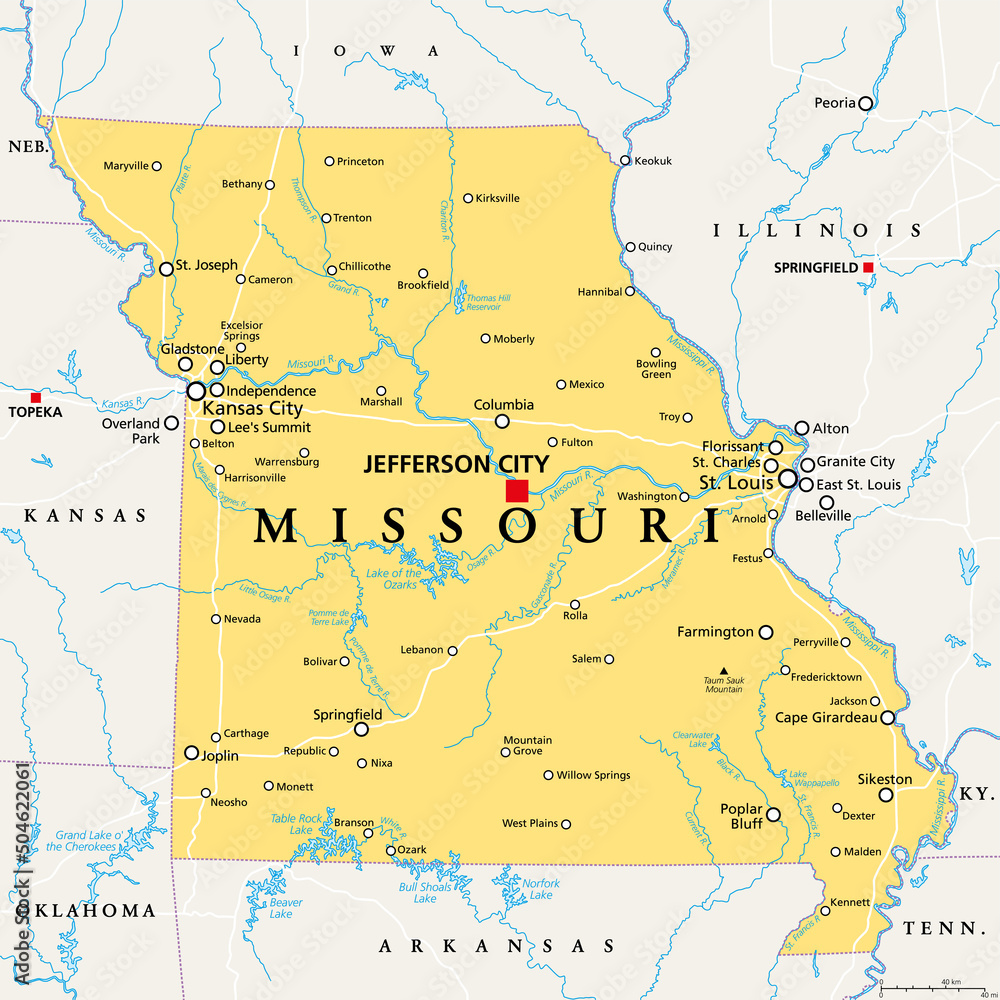
Missouri is divided into nine geographical troop areas, ranging from Troop A in Lee's Summit to Troop I in Rolla. You can visit the specific troop headquarters that jurisdictionally covers the county where your crash occurred. Call ahead to confirm that the report has been finalized and approved for public release before driving out.
Fees, Timelines, and Public Access Restrictions
State agencies operate under specific statutory guidelines regarding turnaround times and privacy protections.
Reports aren't instantly available the minute a trooper clears the scene. Investigating officers require time to type their narratives, upload photographs, and have supervisors review the draft. In routine property-damage crashes, reports are typically accessible within three to five business days. Complex collisions involving reconstruction units, fatalities, or pending criminal investigations can take several weeks or months to clear public release.
Missouri law protects certain personal identifiers. While the basic facts of the crash remain public, agencies redact sensitive data such as Social Security numbers, unedited medical histories, and information involving minors or ongoing criminal investigations to comply with state privacy statutes.
The Practical Legal Value of Your Crash Report
Insurance adjusters and personal injury attorneys treat MSHP reports as foundational evidence, but they view them through a pragmatic lens.
Insurance companies pull these reports immediately to verify timelines and establish initial liability markers. If the officer notes that the other driver received a citation for running a red light, your adjuster gains significant leverage during settlement negotiations. Conversely, if the narrative contains ambiguous language, insurers may dispute coverage splits.
In civil lawsuits, the report acts as a roadmap for discovery. Attorneys use officer narratives to identify witnesses and request dashcam or traffic camera footage. However, keep in mind that police reports are technically hearsay in many courtroom settings; the investigating officer must often testify live to authenticate their notes and diagrams, especially if liability is contested by the defense.
Common Mistakes and How to Correct Them
Errors happen under the stress of a roadside investigation. Misspelled names, incorrect insurance policy numbers, or flawed directional details can disrupt your insurance claim.
If you spot a factual error—such as an incorrect vehicle year or a mistaken street name—act quickly. Contact the investigating troop headquarters and ask to speak with the reporting officer or a supervisor. Provide concrete proof, such as photographs or dashcam footage, to support your request for an addendum. While troopers rarely rewrite a completed narrative entirely, they can append a supplemental report correcting factual mistakes.
Frequently Asked Questions
How long does it take for a Missouri State Patrol crash report to become available online?
Most standard reports are uploaded and available within three to five business days following the incident. Complex investigations involving severe injuries, fatalities, or reconstruction analysis require significantly longer processing windows.
Can I get a crash report if nobody was issued a traffic citation?
Yes. MSHP documents all reportable collisions regardless of whether a ticket was issued. Property damage exceeding state thresholds or any collision involving injury requires a formal report that remains accessible to involved parties and insurance carriers.
What should I do if the police report gets the facts wrong?
Contact the investigating troop headquarters immediately. Submit a written correction request accompanied by objective evidence, like photographs or witness testimonies, asking the agency to attach a supplemental addendum to the original file.
Are MSHP accident reports admissible in a Missouri court?
While the report itself is often used during settlement negotiations and depositions, strict hearsay rules govern its direct admissibility as substantive evidence during a trial. Attorneys often need the investigating trooper to testify in person to introduce the findings officially.


