Navigating Missouri's highways means sharing the road with heavy commercial freight, unpredictable weather systems, and high-speed rural corridors. When a collision occurs outside municipal city limits or on state-maintained routes, the Missouri State Highway Patrol (MSHP) handles the emergency response, scene reconstruction, and official documentation. Understanding what causes these crashes, how troopers investigate them, and what laws govern your responsibilities afterward can protect your legal rights and personal safety.
The MSHP publishes extensive annual data detailing why and where collisions happen across the state. Recognizing the leading risk factors allows drivers to anticipate hazards before a dangerous situation escalates. This guide breaks down the core causes of state highway crashes, how official reports are compiled, and the legal obligations you must follow immediately following an incident.
Leading Causes of Missouri State Highway Patrol Crashes
State troopers investigate tens of thousands of collisions every year, ranging from minor property damage incidents to fatal multi-vehicle pileups. State crash statistics consistently point to a few dominant behavioral and environmental factors.
Speeding and aggressive driving remain the top probable contributing circumstances in fatal collisions. When drivers exceed safe travel limits or ignore prevailing weather conditions, reaction times plummet and stopping distances multiply. Single-vehicle crashes also account for over half of all fatal accidents on Missouri roadways, often happening when motorists run off the edge of rural two-lane highways and strike fixed objects like trees, utility poles, or embankments.
Impaired driving involving alcohol or drugs represents another major crisis across state routes. Despite aggressive public awareness campaigns, intoxicated driving continues to destroy lives, frequently resulting in catastrophic head-on or rollover collisions during late-night hours. Furthermore, driver distraction from mobile devices, navigation screens, and passenger interactions contributes to hundreds of severe injuries annually, as motorists look away from the road for critical seconds.
Environmental and Roadway Factors
While driver error causes the vast majority of collisions, environmental elements heavily influence crash severity. Interestingly, annual MSHP data shows that the vast majority of traffic crashes occur during daylight hours and on dry pavement, proving that routine complacency on clear days poses a massive threat.
However, Missouri's seasonal weather shifts create acute hazards:
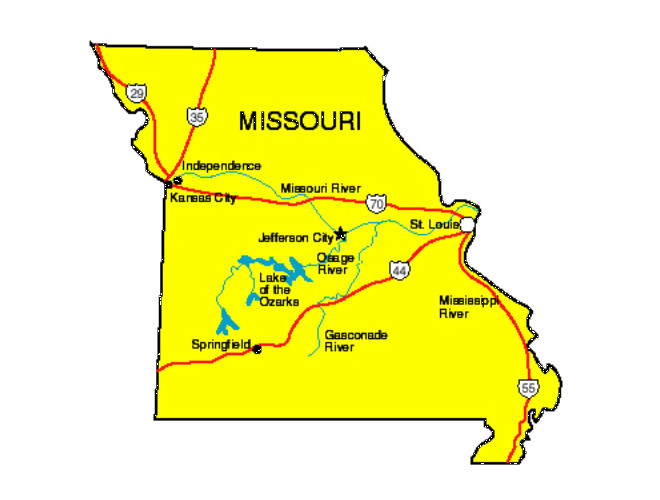
- Heavy Rainfall: Flash flooding and hydroplaning frequently trigger multi-car spinouts on major corridors like Interstate 70 and Interstate 44.
- Winter Storms: Black ice on bridges, overpasses, and shaded rural curves catches motorists off guard before road crews can treat surfaces.
- Work Zones: Highway construction zones concentrate traffic into narrow lanes, increasing the likelihood of rear-end crashes when drivers fail to merge early.
Understanding MSHP Crash Reports
When a state trooper responds to an accident, they compile a detailed official record. This document serves as the objective baseline for insurance adjusters, legal counsel, and state traffic safety planners.
The report spans multiple structured pages, capturing specific data points:
- Section 1 and 2: General identification, exact geographic coordinates, lighting, and weather conditions.
- Section 4 and 5: Witness contact information and any involved pedestrian data.
- Vehicle Actions & Driver Errors: Coded entries detailing the sequence of events immediately before impact, suspected driver impairments, and vehicle defects.
- Officer Narrative: The trooper's objective summary of the scene, physical evidence like skid marks, and statements gathered from drivers and witnesses.
Accessing these documents depends on your involvement. Unofficial public versions with redacted personal identifiers are available online through the Missouri State Highway Patrol Public Reports page. Official, unredacted reports are restricted to involved parties, legal representatives, parents of minors, and insurance carriers, and must typically be requested directly from an MSHP troop headquarters.
Legal Requirements and Reporting Deadlines
Missouri law imposes strict mandates on drivers involved in collisions. Knowing these rules prevents severe administrative penalties, such as driver's license suspension or insurance cancellations.
Under Missouri Revised Statutes § 303.040, you must immediately notify law enforcement if a crash results in injury, death, or property damage exceeding $500 to any one person's property. If local police or the MSHP investigate at the scene, they file initial paperwork, but drivers carry an independent responsibility to protect their standing.
If the accident results in injury, death, or reportable property damage, you are required to submit a written report using Department of Revenue Form 1140 within 30 days. Failing to meet this administrative requirement can jeopardize your insurance claims and trigger state-imposed penalties. For comprehensive guidance on state driving regulations, consult the Missouri Department of Revenue Driver Guide.
Frequently Asked Questions
Can I get an MSHP crash report online immediately?
Unofficial, redacted summaries are usually accessible online days after the investigation closes. Official unredacted copies require an in-person or written request at an MSHP troop headquarters.
What should I do if a trooper makes an error on the accident report?
Contact the investigating officer or the troop headquarters supervisor immediately. While troopers rarely alter subjective narratives, they will correct factual errors regarding vehicle identification, insurance details, or obvious clerical mistakes.
Does Missouri require me to report minor fender-benders?
If total property damage appears to be under $500 and no one is injured, police notification is not strictly mandatory by state statute. However, because estimating repair costs accurately at the scene is difficult, calling law enforcement is often the safest choice to secure an objective record.
How does comparative negligence affect my crash claim in Missouri?
Missouri operates under a pure comparative fault system. This means you can still recover financial compensation even if you share partial blame for the collision, though your final recovery amount is reduced by your designated percentage of fault.



