Accessing Missouri State Highway Patrol arrest reports requires navigating specific online portals, understanding state sunshine laws, and knowing which agency holds jurisdiction over a particular incident. If you're searching for recent detainments, crash data, or statewide crime trends, the process involves distinct steps depending on whether you need a real-time log or an official certified document.
The Missouri State Highway Patrol (MSHP) maintains an online database that automatically publishes preliminary arrest details. However, these live logs stay visible for only five days before cycling off the active public interface. For records older than five days, or for formal legal and background purposes, you must submit a formal request through the Patrol Records Division.
Finding Recent MSHP Arrest Reports Online
The quickest way to check recent state trooper activity is through the official online search portal provided by the Department of Public Safety. This tool indexes arrests performed exclusively by state troopers. Local municipal police department arrests and county sheriff bookings won't appear here unless an MSHP trooper assisted on the scene.
When using the digital search tool, you can filter results by specific criteria to narrow down your search:
- First and last name of the individual
- Specific arrest county or geographic troop region
- Person's city and state of residence
- Exact date or date range of the incident
Keep in mind that online logs are strictly preliminary and unofficial. They serve as an informational snapshot rather than a final legal disposition of a criminal case. If an arrest doesn't show up in the five-day window, it doesn't mean it didn't happen; it simply means the digital record has expired from that specific public feed.
Submitting Official Public Records Requests
When you need historical arrest data or certified documents that are no longer online, you must rely on the state's legal framework for transparency. Under the Missouri Sunshine Law, any member of the public can request official government records from state agencies.
The MSHP Records Division processes these formal paperwork requests. To ensure your request doesn't get delayed or rejected for lack of specificity, include as many concrete details as possible:
- The full legal name of the individual involved, including middle initials or aliases if known.
- Date of birth or approximate age to differentiate common names.
- The exact date or tight window when the arrest or traffic incident occurred.
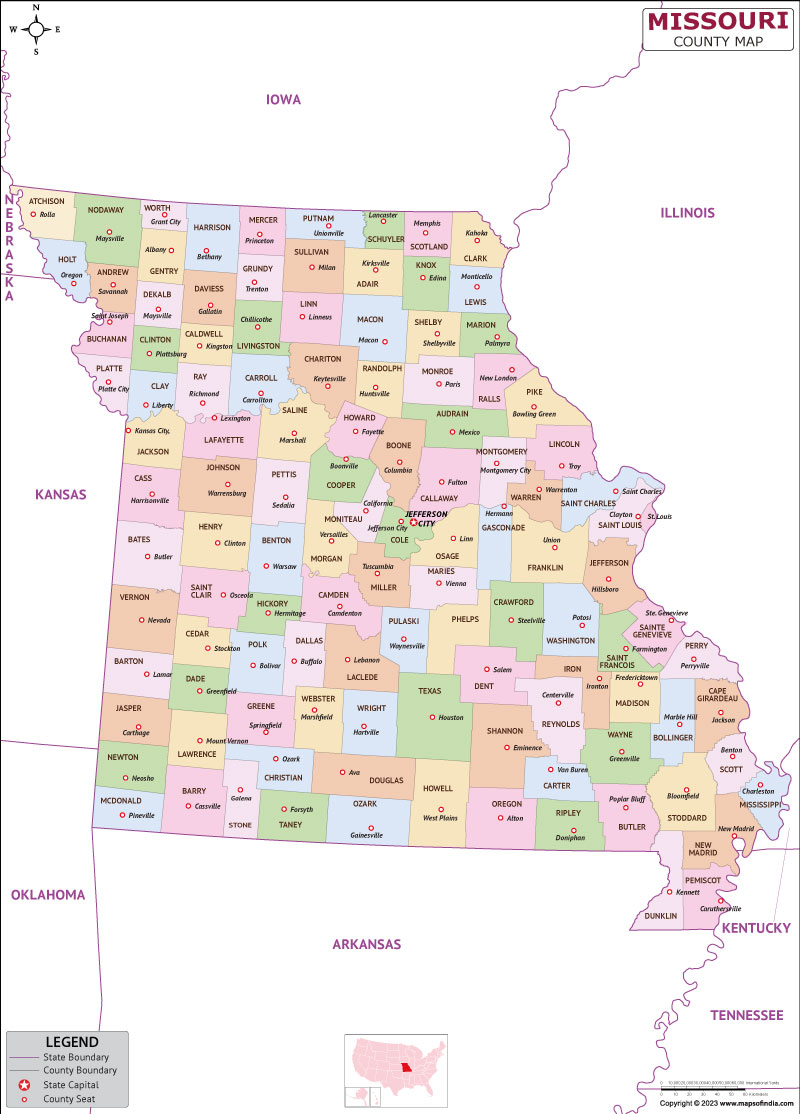
- The specific county, highway, or troop territory where the event took place.
- The incident or case number if you already have it from a media report or local notice.
The Patrol typically responds to standard public records requests within ten business days. Complex or bulk requests involving extensive historical archives may require additional time and cost fees for duplication and administrative search hours.
Understanding Traffic Enforcement and Statewide Crime Data
Beyond individual lookup logs, the state compiles macro-level metrics to track highway safety and public security. The Show-Me Crime repository aggregates data across local, county, and state jurisdictions using standard reporting frameworks.
Troopers focus heavily on highway corridor enforcement, commercial vehicle safety, and rural county patrols where municipal police departments don't operate. Traffic enforcement data highlights seasonal spikes in violations, particularly during holiday weekends when troopers implement specialized saturation patrols.
Crime statistics managed through the state's incident-based reporting programs track offenses ranging from property crimes to violent incidents. Researchers, journalists, and policy analysts use these datasets to evaluate the effectiveness of highway safety campaigns and allocate patrol resources to high-risk corridors.
Common Mistakes to Avoid When Requesting Records
People often hit roadblocks when searching for law enforcement documents because they misunderstand agency jurisdictions or rely on expired links. Avoiding these frequent missteps saves time and frustration:
- Searching the wrong agency: If a local city police officer made the stop within city limits, the MSHP won't have the record. You must contact that specific municipal police department or county sheriff.
- Expecting permanent online records: Don't assume an arrest log stays online indefinitely. Save or print digital documents immediately if you need them for personal records, as they disappear after five days.
- Vague record requests: Submitting a request with only a common first name and a vague year guarantees a delay. Troopers need specific geographic identifiers to locate physical or digital files.
- Confusing preliminary logs with court dispositions: An arrest record only shows that a law enforcement action occurred. It doesn't reflect whether charges were filed, reduced, or dismissed in court. For case outcomes, check the Missouri Case.net portal.
Frequently Asked Questions
How long do arrest reports stay on the MSHP website?
Preliminary arrest logs maintained directly on the MSHP public search portal remain visible for only five days. After that window, they rotate off the active public display and require a formal records request.
Can I get a certified copy of an arrest report online?
No. Official certified copies required for legal proceedings or court appearances typically need to be requested directly through the Patrol Records Division or picked up at the local troop headquarters that handled the case.
Why can't I find an arrest involving a local city police department?
The MSHP online portal only tracks arrests made directly by state troopers. Municipal and county arrests are managed independently by local law enforcement agencies and their respective municipal courts.
What fees are associated with public records requests?
Fees vary depending on the scope and format of the material requested. Simple electronic document retrieval involves minimal fees, while extensive physical archiving or photo requests carry standard state administrative duplication costs.


