Accessing public safety logs shouldn't feel like cracking a safe, yet finding and interpreting Missouri State Highway Patrol arrest reports requires knowing where state databases draw the line between preliminary logs and permanent histories. If you're looking for specific apprehension figures, trying to track a recent custody entry, or examining regional enforcement trends, public data portals offer granular transparency under Missouri sunshine laws.
Official state systems capture thousands of detentions every year, ranging from interstate traffic violations to major felony apprehensions. Navigating these digital logs effectively means understanding how records are generated, how long they stay online, and which state agencies actually hold the paperwork you need.
Locating and Reading State Patrol Arrest Logs
The Missouri State Highway Patrol maintains a live online database specifically for recent apprehensions. However, you'll notice a strict time limitation right away.
The Five-Day Window
Arrest logs posted directly on the official MSHP Arrest Reports Portal remain active online for only five days. After that brief window expires, those specific preliminary entries drop off the public feed.
- Preliminary nature: Entries reflect initial field reports filed by troopers, not finalized court dispositions.
- Scope limits: Arrests handled entirely by municipal police departments or county sheriff offices do not appear on this state highway database.
- Troop breakdowns: Records sort by geographic troops (ranging from Troop A through Troop I), making it easier to filter by specific regions or counties.
Required Fields for Historical Searches
When logs disappear from the five-day rolling window, you can't just browse past dates easily on the main portal. Instead, you'll need to pivot to deeper state repositories. Running background queries or checking formal charges requires utilizing the Missouri Automated Criminal History Site (MACHS).
- Name-based checks: These cost a nominal state fee (typically around fifteen dollars) and provide accessible historical results.
- Fingerprint-based checks: Offering higher accuracy, these require formal submission through approved state vendors like IdentoGO.
- Case tracking: For formal court filings resulting from an apprehension, you can cross-reference names for free using the Missouri Courts Case.net portal.
Analyzing the Numbers: Trends Behind Highway Patrol Data
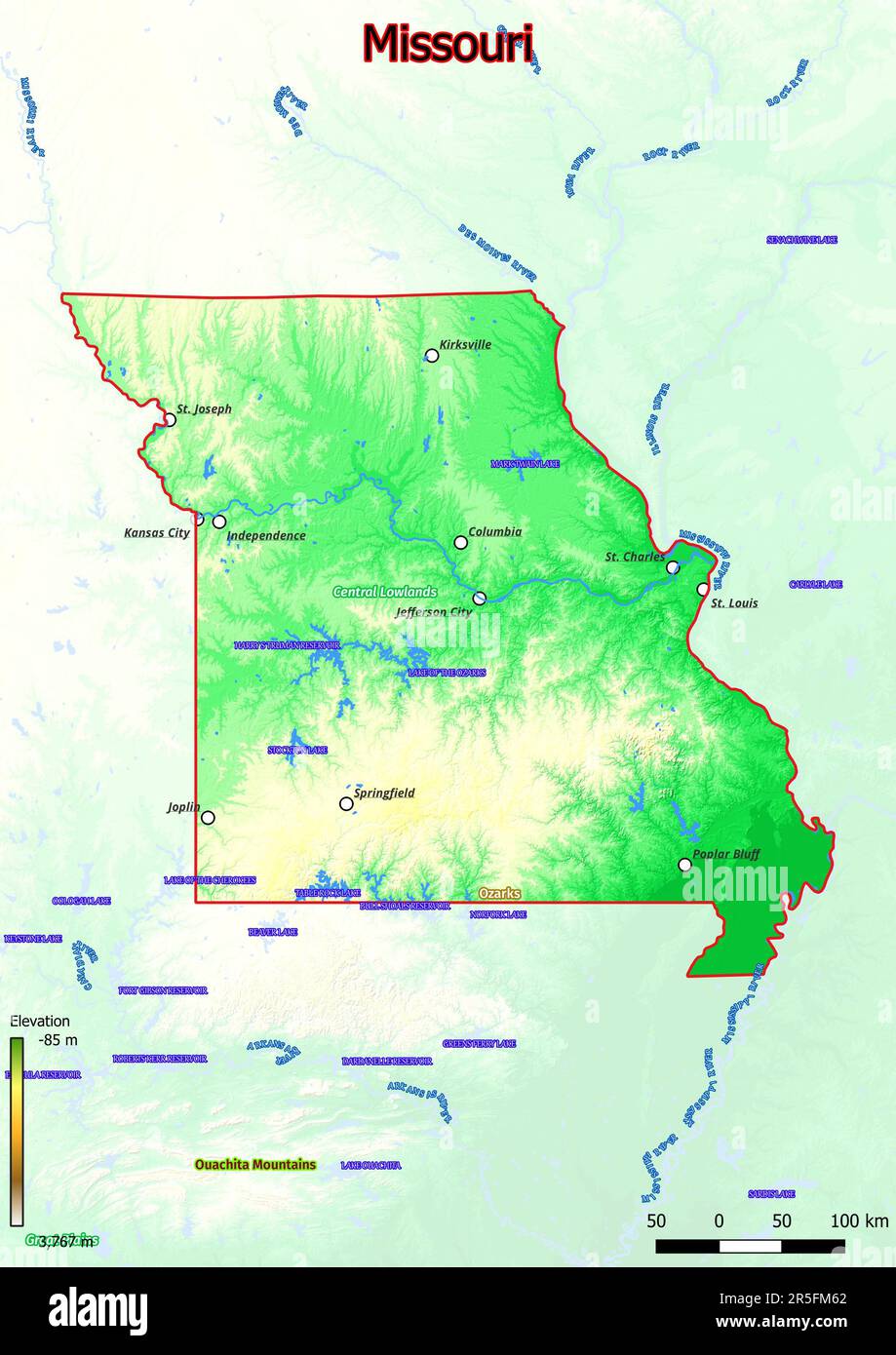
Statewide enforcement metrics give criminologists and citizens a clear window into highway safety priorities. Patrol data isn't distributed evenly across the map; numbers spike heavily along major interstate corridors like Interstate 70, Interstate 44, and sections surrounding the greater St. Louis and Kansas City metropolitan perimeters.
Troopers spend a significant portion of daily operational hours managing highway traffic infractions, commercial vehicle safety compliance, and motorist assistance. Consequently, a large percentage of arrest logs feature driving-related offenses, including driving while intoxicated (DWI), driving with a suspended license, and active felony warrants discovered during routine traffic stops.
Factors That Influence Annual Arrest Fluctuations
- Holiday enforcement campaigns: Holiday travel weekends—such as Memorial Day, Labor Day, and Thanksgiving—trigger massive surges in state trooper deployment, directly inflating short-term arrest totals for speeding and substance-related violations.
- Staffing levels: Troopers per capita ratios shift across rural and urban troops, directly influencing enforcement output and reported contact numbers.
- Technological integration: Automated license plate readers (ALPRs) mounted on patrol cruisers help units flag stolen vehicles and wanted suspects much faster, altering apprehension statistics year over year.
Common Pitfalls When Searching Public Logs
People often hit roadblocks when trying to verify custody information or criminal histories in Missouri. Knowing what not to do saves time and prevents confusion.
Don't assume a missing name on the five-day MSHP log means a person was never arrested. If a local city police department or county sheriff made the stop rather than a state trooper, the record won't populate on the state highway patrol site. Always check the specific county sheriff's jail roster or local police blotter for local jurisdiction cases.
Another frequent mistake involves confusing an arrest record with a final conviction. An arrest entry simply notes that law enforcement took an individual into custody based on probable cause. It doesn't prove guilt or reflect the final outcome handled by local prosecutors or circuit courts. Always consult Case.net to see if formal charges were actually filed or dismissed.
Frequently Asked Questions
How long do arrest records stay on Missouri background checks?
Formal criminal history records compiled through MACHS generally remain on file unless expunged or sealed by a court order. Expungement eligibility depends heavily on the specific nature of the offense and whether the individual completed all sentencing requirements without subsequent convictions.
Can I find mugshots on the official MSHP arrest portal?
The preliminary five-day state patrol arrest reports display basic details such as name, age, arrest location, time, and charging agency, but official booking mugshots are typically managed locally by the county jail where the individual was housed post-arrest.
Are Missouri public record searches free?
Browsing the five-day MSHP arrest feed and checking court dockets on Case.net are entirely free. However, official name-based and fingerprint-based criminal history background checks requested through MACHS carry statutory processing fees.
What should I do if a public record contains an error?
If you spot an inaccurate detail on a formal state criminal history record, you must contact the Missouri State Highway Patrol Patrol Records Division to request a record review or dispute form. Corrections typically require official court documentation proving that a case was dismissed or amended.


