Finding official police documentation shouldn't feel like navigating a maze. If you need to check recent law enforcement activity, the Missouri State Highway Patrol provides a dedicated online portal for tracking public-facing custody logs. These files capture preliminary data on individuals taken into custody directly by state troopers. Because these records stay online for a very limited window, knowing where to look and how to interpret the fields correctly saves you time and prevents costly misunderstandings.
State-level databases differ significantly from municipal jail logs or formal court dockets. Grasping these operational boundaries helps you find accurate information without running into dead ends. Let's break down how to access these files, what the data actually means, and how to use official channels for deeper research.
Accessing Missouri State Patrol Arrest Reports Online
The primary digital hub for state trooper logs is the MSHP Online Arrest Reports search portal. You don't need a special account or a paid subscription to use it.
The system operates under strict retention limits. Records published to this specific public portal remain online for exactly five days from the date of posting. Once that window closes, the entries drop off the public-facing feed. If you miss that window, you won't find the record through a standard web search on this database.
To execute a search on the portal, you can input several filters:
- First and last name of the individual
- The specific Missouri county where the incident occurred
- The date range of the event
- The specific MSHP troop district (ranging from Troop A through Troop I)
Keep in mind that this database exclusively covers arrests performed directly by state troopers. If a municipal police department or a local county sheriff made the arrest, it won't appear here unless the Highway Patrol was the primary investigating agency.
Decoding the Data Fields Inside an Arrest Log
When you pull up an entry on the state portal, you'll see a structured table containing several distinct data points. Misinterpreting these fields is common, especially regarding a person's legal status.
Every entry typically displays the subject's name, age, city and state of residence, arrest date, time, county, and the responsible MSHP troop. Clicking on an individual record opens a more detailed view showing the specific charges, arresting officer details, and sometimes the location of confinement.
- Preliminary Status: Every report carries a disclaimer stating the information is preliminary. An arrest record does not mean a formal criminal charge has been filed by a prosecutor, and it certainly does not equal a conviction.
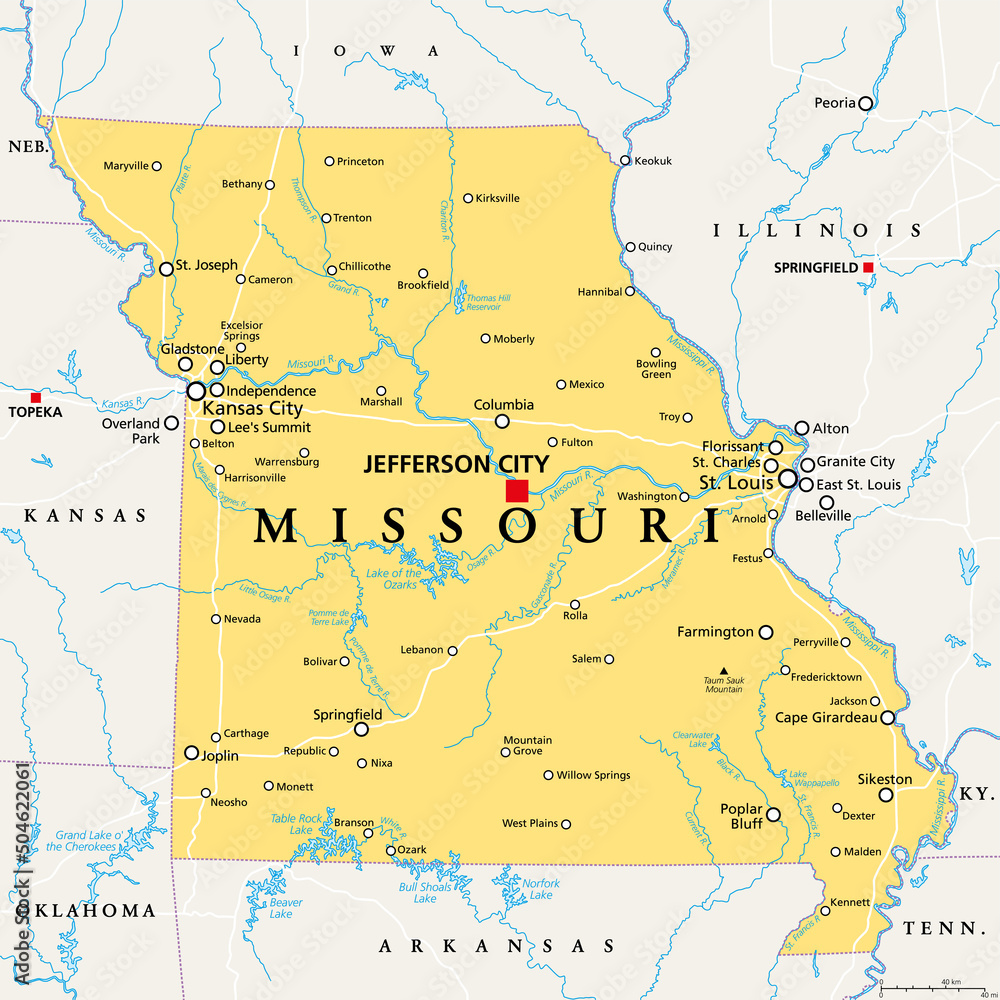
- Geographic Coding: The "Troop" designation refers to the regional MSHP headquarters handling that jurisdiction. For instance, Troop A covers the Kansas City area, while Troop C covers the greater St. Louis region. Knowing your troop codes helps if you need to call a local office for follow-up questions.
- Agency Distinction: Remember that state patrol logs differ from local jail rosters. A trooper might book an individual into a county detention center, meaning the physical custody record belongs to the county sheriff rather than the state database.
Expanding Your Search Beyond the Five-Day Window
Because the main state patrol portal purges records after five days, you'll often need alternative paths for older incidents.
If you're tracking a case past the initial arrest phase, the Missouri Courts Case.net portal becomes your best resource. Case.net tracks municipal and state court proceedings. Once a prosecutor files formal charges, the case number, court appearance dates, and specific statutory violations appear in the public court docket.
For official background checks or certified criminal history records, informal web searches won't suffice. You must go through the Missouri Automated Criminal History Site (MACHS). MACHS handles official name-based and fingerprint-based background checks for employment, licensing, or personal records. These official state checks carry statutory fees and require precise identifying information like dates of birth and Social Security numbers.
Common Pitfalls and Mistakes to Avoid
Navigating law enforcement data frustrates many users because of a few recurring misconceptions. Avoiding these errors keeps your research accurate:
- Confusing Arrests with Convictions: Treating an arrest log as proof of guilt damages credibility. Always check Missouri Courts Case.net to see if charges were actually filed, dropped, or resolved in court.
- Ignoring Local Jurisdictions: Searching the state patrol database for a local city police arrest yields zero results. Always verify which agency made contact before choosing your database.
- Assuming Permanent Availability: Relying on the MSHP 5-day portal as an archival tool doesn't work. If you need a record for future reference, save or print the page immediately during its active window.
- Overlooking Spelling Variations: Minor typos in names or hyphenated last names can hide a record. Try searching by county and date alone if a specific name search returns nothing.
Frequently Asked Questions
Can I find mugshots on the Missouri State Highway Patrol arrest portal?
The public 5-day arrest portal primarily focuses on text-based summary data regarding the incident, time, location, and charges. For mugshots or booking photos, you usually need to check the specific county jail roster where the individual was physically booked following the highway stop.
What should I do if an arrest record contains incorrect information?
Because these online logs reflect preliminary data entered by officers in the field, errors occasionally happen. To report an inaccuracy or request clarification, you must contact the specific MSHP troop headquarters responsible for the arrest or reach out to the Patrol Records Division.
Are juvenile arrest records published on the state patrol website?
No. State and federal privacy laws protect the identities of minors. Public-facing law enforcement logs exclude juveniles, restricting online arrest data strictly to adults aged 18 and older.
How much does an official criminal history check cost in Missouri?
If you use the official MACHS portal for a name-based background check, the state charges a standard fee (typically $15), with fingerprint-based checks costing slightly more. Court dockets on Case.net, however, remain free to search for public case histories.


