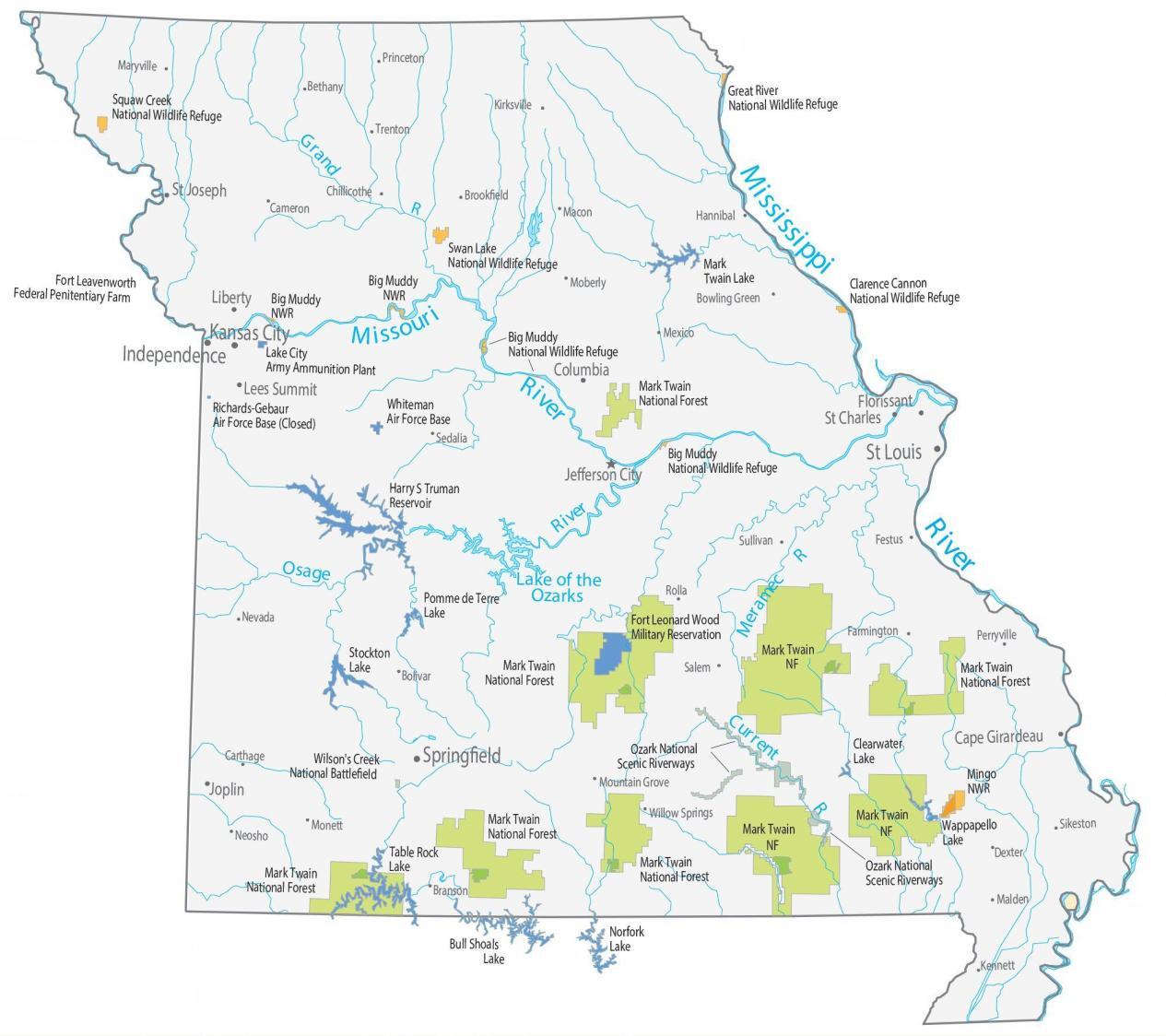
Accessing public sector compensation data doesn't have to feel like pulling teeth. If you're hunting for Missouri state employee salaries, the information is protected by state transparency laws and compiled into searchable public databases. You don't need special clearance to see how tax dollars fund public payrolls across state agencies, higher education, and local institutions.
State employee compensation averages roughly $52,000 to $59,000 annually, depending on the specific departments and dataset years included, lagging behind some private sector averages but offering distinct state benefits. Whether you're researching government spending, evaluating career moves, or checking specific public figures, here's how you can find, verify, and interpret Missouri public payroll records.
Official State Portals for Checking Salaries
The most direct way to check government wages in the state is through official government transparency tools. Public tax dollars fund these positions, meaning taxpayers have a direct right to view aggregate and individual compensation figures.
The Missouri Accountability Portal (MAP)
The state operates an official transparency tool known as the Missouri Accountability Portal (MAP). This portal allows residents to look up state employee salaries by name, agency of employment, or position title.
- Name Searches: Type in a specific individual's first and last name to pull up their current state position and pay rate.
- Agency Filtering: Browse entire departments—such as the Department of Corrections or the Department of Transportation—to view baseline staffing numbers and wage distributions.
- Position Titles: Search by specific job titles to see what standard earners make in roles like administrative assistants, state troopers, or staff analysts.
Higher Education and Local Payrolls
State universities and local municipal governments often maintain separate public databases. For instance, the University of Missouri system employs thousands of workers across campuses in Columbia, Kansas City, St. Louis, and Rolla. Because higher education institutions receive public funding, their payroll lists are accessible through public databases or specific university HR transparency pages.
Using Third-Party Public Salary Databases
While official state portals provide baseline accuracy for direct state employees, third-party aggregators aggregate public records across state, county, and municipal levels. Platforms like OpenGovPay Missouri Salaries and GovSalaries Missouri pull data from public disclosures to offer broader search capabilities.
These tools excel when you're trying to compare pay scales across different government tiers. You can evaluate how state salaries stack up against county positions, public school districts, and local fire or police departments. Keep in mind that third-party databases update periodically, so always cross-reference unusually high or low figures with official state portals if you need real-time accuracy.
The Missouri Sunshine Law and Public Records
If a specific salary or public document isn't readily available on a searchable database, you can request it under the Missouri Sunshine Law, governed by Chapter 610 of the Revised Statutes of Missouri. This legislation ensures that public governmental bodies keep their records open to citizens.
When submitting a records request for public payroll information, follow these steps to ensure a smooth response:
- Submit your request in writing: Send an email or formal letter to the custodian of records for the specific state agency or local public body you're targeting.
- Be specific and concise: Clearly state that you are requesting payroll logs, employee names, job titles, and annual salaries for a given fiscal year to avoid vague or delayed responses.
- Set a cost budget upfront: Public bodies can charge the actual cost of document search and duplication. Ask them to contact you if estimated fees exceed a specific dollar amount.
- Know the timeline: Under the Sunshine Law, the custodian must respond as soon as possible, but no later than the end of the third business day after receiving your request.
Factors Influencing Public Pay Scales
Government salaries in Missouri vary widely based on funding sources, geographic location, and job classification. Understanding these variables helps contextualize why certain positions command higher compensation.
Departmental Budgets and High-Demand Roles
Specialized medical professionals, psychiatrists within the Department of Mental Health, and specialized engineers at the Department of Transportation naturally earn higher wages than administrative support staff. High-demand fields require competitive market pay to attract qualified professionals away from the private sector. Conversely, large agencies with massive headcounts—like the Department of Corrections—feature lower average median salaries due to a high volume of entry-level support and custodial positions.
Location and Cost of Living
State employees stationed in urban centers like Kansas City or St. Louis often receive locality adjustments or higher starting wages compared to those working in rural county offices. Cost of living differences across the state directly influence how individual agencies structure their compensation packages.
Frequently Asked Questions
Are all Missouri public employee salaries public record?
Yes. With very few statutory exceptions regarding specific security details or sensitive investigations, the salaries, job titles, and agency affiliations of public employees funded by taxpayers are open records under Missouri law.
Why do some names show up multiple times in public payroll databases?
Employees who changed positions, received mid-year promotions, worked multiple departmental roles, or collected overtime pay often appear multiple times across different line items or fiscal year reports within public databases.
Can a state agency charge me hundreds of dollars for a salary list?
Agencies can only charge the actual cost of research, staff time, and document duplication permitted by the Sunshine Law. They cannot pad fees to discourage public requests. Always ask for an upfront estimate if you're requesting raw custom data sets.
How often is public payroll data updated?
Official state portals update data following major payroll cycles or fiscal year transitions. Third-party aggregators typically refresh their records annually or bi-annually based on government reporting schedules.


