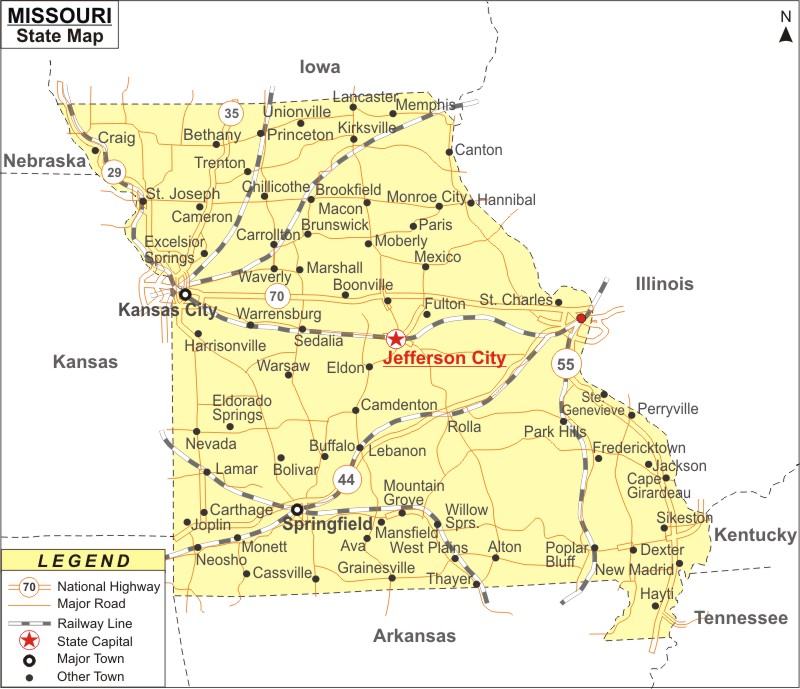
Navigating the state-specific portion of the real estate exam requires a firm grasp of local statutes rather than general national principles. If you're preparing for licensure, understanding Missouri real estate practice rules keeps you out of regulatory trouble and helps you pass the state portion on your first attempt. The exam tests how well you know the administrative rules enforced by the state licensing body, handling escrow accounts, and fulfilling disclosure obligations.
Passing this exam means mastering the fine details of brokerage operations, license maintenance, and unlawful acts under state oversight. Let's break down the core legal mechanics that define daily professional practice across the state, focusing on the areas where candidates most often stumble.
Understanding the Missouri Real Estate Commission
The Missouri Real Estate Commission (MREC) holds the statutory authority to issue, renew, suspend, or revoke licenses, as well as investigate consumer complaints against licensees.
Commission Structure and Investigations
The commission consists of members appointed to oversee professional conduct and enforce Chapter 339 of the Revised Statutes of Missouri. When a consumer files a written complaint, MREC typically sends a copy of the complaint to the licensee, who must respond within a designated timeframe, usually 30 days.
The commission doesn't hand out final disciplinary suspensions directly on a whim. Instead, Missouri uses a two-step administrative process:
- The Administrative Hearing Commission (AHC) conducts a hearing to determine whether cause for discipline exists.
- Once the AHC rules, MREC holds a separate proceeding to decide the specific disciplinary action, such as a fine, probation, or license revocation.
Penalties and Fines
Operating without a license is classified as a Class B misdemeanor under Missouri law. For licensed individuals, the commission can impose civil penalties up to a statutory limit per violation, alongside issuing restraining orders. Additionally, every active licensee contributes to the Real Estate Recovery Fund, which maintains a statutory minimum balance to compensate consumers who suffer monetary losses due to licensee fraud, misrepresentation, or deceit.
Agency Relationships and Brokerage Requirements
Agency law dictates how you represent buyers and sellers, and Missouri law is strict about written documentation and brokerage supervision.
Written Consent and Agency Agreements
Under state practice rules, you cannot show residential property or place a sign on a property without written consent from the owner. Verbal agreements don't satisfy MREC requirements for listing or marketing properties. Furthermore, all real estate contracts, listing agreements, and agency disclosures must be meticulously documented. Net listings—where a broker's compensation is any amount over a minimum net price set by the seller—are strictly illegal in Missouri.
Managing Escrow and Trust Accounts
Handling client funds requires precise bookkeeping. Designated brokers must deposit earnest money and other trust funds into an escrow account within 10 banking days following contract acceptance.
- Brokers are permitted to maintain a limited amount of their own personal or brokerage funds—typically up to $1,000—in the escrow account to cover bank service fees and avoid wrongful commingling.
- Transaction records, including escrow ledgers, contracts, and closing statements, must be retained by the broker for a minimum of 3 years.
Advertising and Disclosure Mandates
Consumer protection forms the backbone of state exam questions. Advertisements and property disclosures are heavily regulated to prevent misleading the public.
Advertising Rules
Any advertisement placed by a licensee—including yard signs, digital ads, and social media posts—must clearly and prominently include the broker's business name as registered with MREC. If a individual salesperson's name or direct phone number appears in an ad, the brokerage office name and number must also be clearly visible to ensure the public knows which firm holds ultimate responsibility. When a listing expires, the licensee has 10 days to remove all company signs from the property.
Property Disclosures
Sellers in Missouri must complete state-mandated disclosure forms detailing material defects of the property. Licensees must ensure these forms are provided to prospective buyers in a timely fashion. Failing to disclose known material defects or attempting to conceal property flaws can result in severe disciplinary measures from MREC, independent of civil liability from the injured buyer.
Frequently Asked Questions
What is the passing score for the Missouri real estate exam?
You must pass both the national and state portions. The national portion generally requires a score of 70%, while the state portion requires a passing score of 30 out of 40 correct answers, translating to 75%.
How often must Missouri real estate licenses be renewed?
Active and inactive real estate licenses in Missouri must be renewed on a periodic cycle, typically every two years, accompanied by the completion of mandatory continuing education (CE) credits for active licensees.
Are attorneys required to conduct real estate closings in Missouri?
No. Missouri operates primarily as a title company state. Licensed title producers and title insurance companies handle the vast majority of closings, title searches, and escrow disbursements, though parties may choose to retain legal counsel if they prefer.
What happens to a salesperson's listings if their broker dies or loses their license?
Because listings belong to the brokerage firm rather than the individual salesperson, the agency agreement remains with the firm. If the brokerage closes or loses its principal broker, active transactions and listings must be properly transitioned or terminated according to MREC guidelines. You can review official licensing updates directly through the Missouri Division of Professional Registration.


