Renewing your vehicle registration in the Show-Me State doesn't have to be a frustrating chore. If your current tags are expiring, you must complete your Missouri license plate renewal during your expiration month or up to six months early. Waiting past the deadline triggers a late fee, while missing a required safety inspection or property tax receipt will stall your application completely.
This guide breaks down exact fees, required documents, testing rules, and submission options so you can get your new decals without a hitch.
What You Need Before You Renew
Gathering your paperwork ahead of time stops minor oversights from turning into multi-trip headaches. The Missouri Department of Revenue requires four core items for a standard passenger vehicle renewal:
- Renewal Notice or Form 184: Your mailed renewal notice speeds up processing, but if you didn't receive it, you can print and fill out the Application for Motor Vehicle License (Form 184).
- Personal Property Tax Receipt: You need a paid personal property tax receipt (or statement of non-assessment) from your county of residence. If you're renewing for one year, bring last year's receipt. If you opt for a two-year registration, bring receipts from the previous two years.
- Proof of Insurance: Bring a current insurance identification card in paper form or readable digitally on your phone.
- Inspection Certificates: If your vehicle requires a safety or emissions inspection, you must present a certificate issued within the past 60 days.
Understanding Inspection and Emissions Rules
Missouri doesn't require safety inspections for brand-new cars, but rules tighten as vehicles age or log more miles.
Safety Inspections
Vehicles must undergo a state safety inspection if they are more than ten model years old or have accumulated more than 150,000 miles. State law caps the maximum safety inspection fee at $12. If your car fails, you're legally entitled to a free re-inspection at the same station once repairs are made, provided you return within the designated window.
Emissions Testing (Gateway VIP)
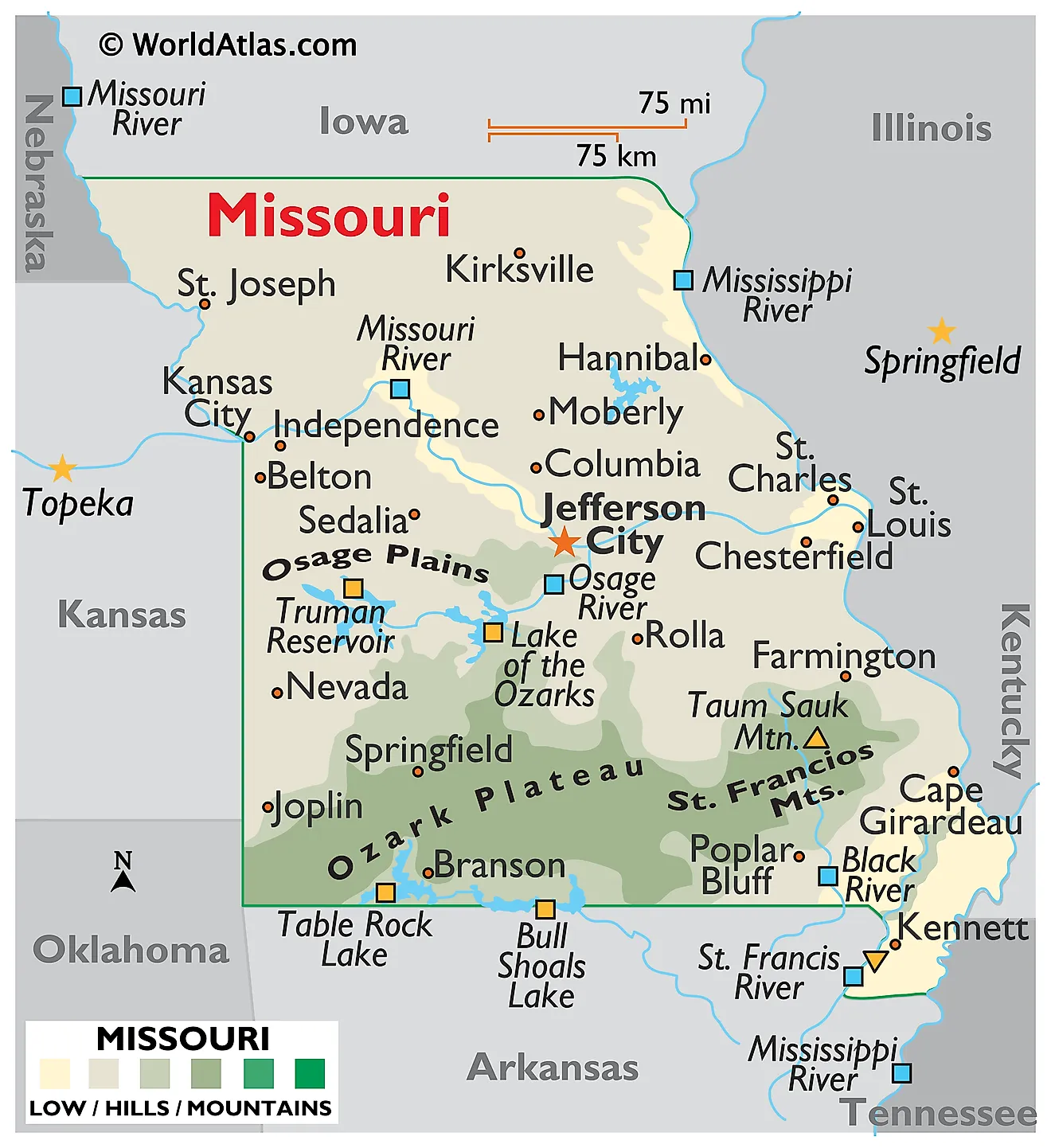
Emissions testing applies exclusively to drivers residing in the St. Louis metropolitan area, which includes St. Louis City, St. Louis County, St. Charles County, and Jefferson County. If you live in Kansas City, Springfield, Columbia, or anywhere else outside the St. Louis zone, you can skip emissions testing entirely.
Step-by-Step Renewal Methods
You can complete your registration renewal using any of four primary channels provided by the state.
- Online: Visit the official Missouri DOR online renewal portal. Follow the prompts to enter your vehicle details, verify your insurance, and pay via credit card or electronic check.
- In Person: Stop by any local license office or contract agent location. Bring your printed forms, physical or electronic tax receipts, insurance card, and payment. You'll walk out with your physical license plate tabs immediately.
- By Mail: Send your completed renewal notice or Form 184, copies of your tax receipts, proof of insurance, inspection certificates, and a check or money order for the exact fees to the address listed on your paperwork.
- By Phone: Call the Missouri DOR phone renewal line at 573-751-1957 (available Monday through Friday) to check if your specific vehicle profile qualifies for phone processing.
Fee Breakdown and Costs
The actual cost to renew your registration depends on your vehicle's taxable horsepower and whether you choose a one-year or two-year cycle.
- Standard State Registration: For most modern passenger cars, trucks, and SUVs rated at 72 taxable horsepower or more, the annual base fee is $51.25.
- Processing Fees: A $9.00 state processing fee applies to a one-year renewal, bringing the standard annual total to $60.25. If you choose a two-year registration, the base fee doubles to $102.50 plus an $18.00 processing fee, totaling $120.50.
- County Property Tax: Remember that your state registration fee is only part of the equation. Your local county collector bills personal property tax separately every year based on your vehicle's NADA market value. This tax must be cleared before you can get your tax receipt.
- Late Penalties: If you miss your expiration month, Missouri assesses a $5.00 late penalty for every month your registration remains lapsed.
Common Mistakes to Avoid
- Failing to check tax status early: County collectors sometimes experience delays updating electronic property tax databases. If you pay your personal property taxes online right before renewing, allow a few days for the payment to clear before trying to complete your state vehicle renewal.
- Expired inspection certificates: Inspection certificates are strictly valid for 60 days. Getting your car inspected three months early means the certificate will be rejected at the DMV counter.
- Ignoring out-of-state exemptions: If you or your vehicle are temporarily stationed out of state for work or school, you can mark the out-of-state exemption box on Form 184 to bypass the immediate safety inspection, provided you complete the inspection within 10 days of returning to Missouri.
Frequently Asked Questions
What happens if I lose my personal property tax receipt?
You don't need to panic. You can request a duplicate receipt or a statement of non-assessment directly from your county collector’s office online or in person. Most county websites let you download a digital copy instantly.
Can I renew my plates if I have unpaid parking tickets?
Yes, generally, Missouri vehicle registration renewal is tied to personal property taxes and safety inspections rather than municipal parking fines. However, local ordinances or specific traffic warrants can occasionally place flags on your driver's record, so it's best to clear municipal tickets promptly.
How far in advance can I renew my tags?
You can renew your plates up to six months early if you process the transaction in person at a local license office. Online and mail options typically open closer to your actual expiration window.
Are electric vehicles subject to extra renewal fees?
Yes. Fully electric vehicles (BEVs) and plug-in hybrid electric vehicles (PHEVs) face an annual alternative fuel decal fee added to their registration costs to offset highway motor fuel tax contributions.



