Navigating a civil legal crisis without financial resources can feel overwhelming. If you live in Springfield or the surrounding region and can't afford a private attorney, understanding how civil legal aid works is the first step toward protecting your rights.
While Missouri's legal aid network is split across regional organizations—such as Legal Services of Southern Missouri covering the Springfield area and Mid-Missouri Legal Services operating further north—qualifying residents can access free assistance for critical non-criminal matters like housing, family safety, and public benefits. Knowing who to contact, what types of cases are covered, and how eligibility is assessed ensures you get help when it matters most.
Understanding Legal Aid Jurisdiction in Missouri
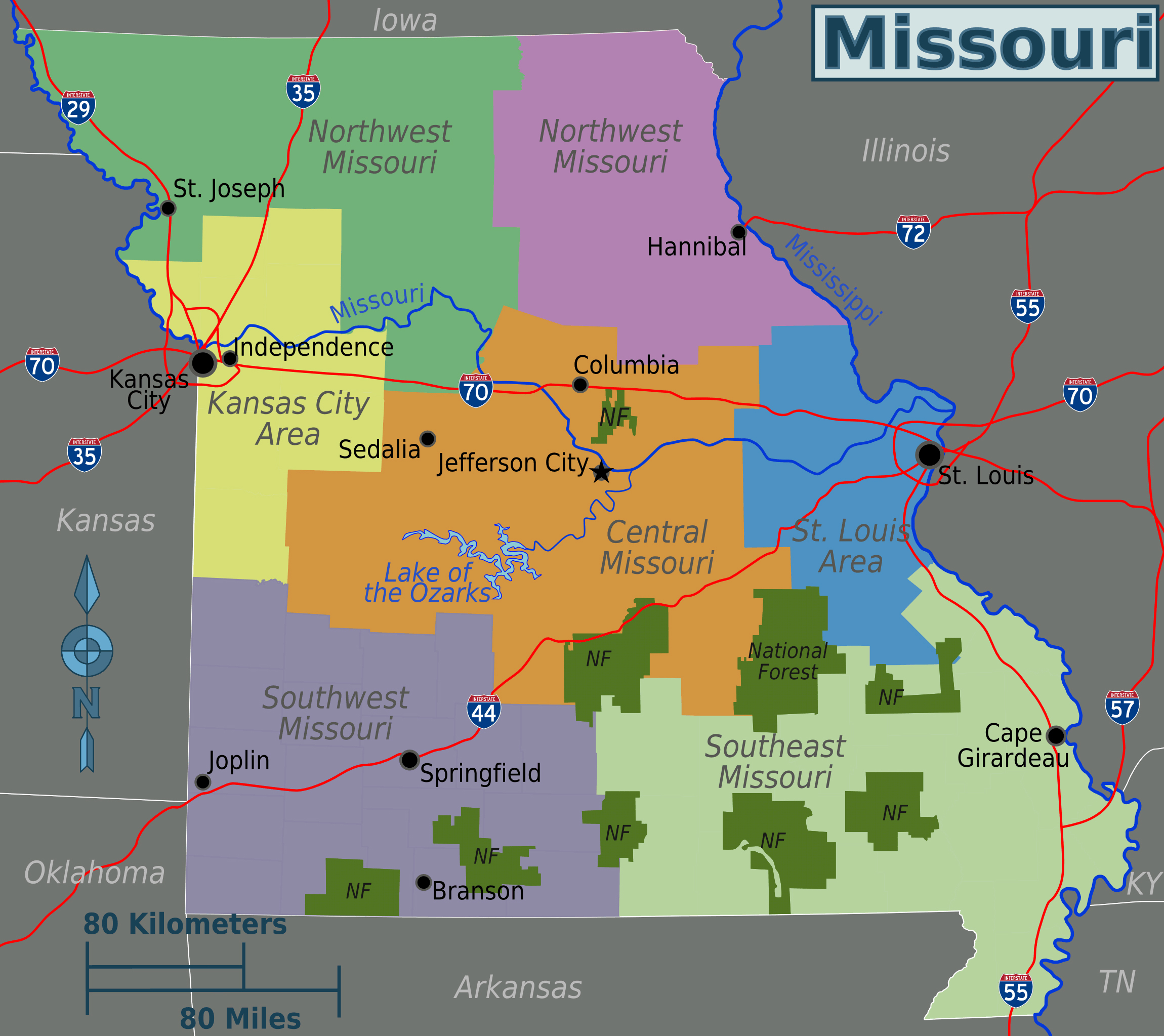
Missouri doesn't have a single statewide legal aid office. Instead, non-profit legal aid organizations operate across specific geographic territories. Springfield falls primarily under the jurisdiction of Legal Services of Southern Missouri (LSSM), which serves dozens of counties in the southern portion of the state, including Greene, Christian, and Webster counties.
If you are located further north in the central part of the state, such as Columbia or Jefferson City, you would fall under Mid-Missouri Legal Services (MMLS). Western counties around Kansas City are served by Legal Aid of Western Missouri. Because funding and resources are tied to these regional service areas, reaching out to the correct local office is essential to avoid application delays.
Core Services and Case Types Handled
Legal aid organizations do not handle criminal defense cases. Public defenders are appointed by courts for criminal matters. Instead, legal aid focuses exclusively on civil legal issues where a negative outcome could threaten a person's basic stability, safety, or livelihood.
Family Law and Domestic Violence Protection
A significant portion of legal aid resources goes toward protecting vulnerable individuals and children. This includes assisting survivors of domestic violence or sexual assault with order of protection filings, custody disputes, and safe divorces. Ensuring that families can separate safely from abusers prevents homelessness and long-term trauma.
Housing Stability and Eviction Defense
Housing insecurity remains a primary driver of poverty. Legal aid programs assist low-income tenants facing unlawful evictions, uninhabitable living conditions, or unfair security deposit disputes with landlords. Having legal guidance during a landlord-tenant dispute often prevents sudden homelessness.
Consumer Protection and Public Benefits
Low-income households frequently face predatory lending, aggressive debt collection practices, and unfair repossessions. Legal aid attorneys help consumers assert their rights under federal and state law. Additionally, attorneys assist clients who have been improperly denied vital public benefits, such as Medicaid, SNAP, or disability assistance.
Eligibility Requirements for Free Assistance
Free legal aid is not a universal public entitlement; resources are strictly limited by federal funding guidelines and staff capacity. To qualify for assistance through organizations like LSSM or MMLS, applicants typically must meet three core criteria:
- Financial Eligibility: Income and asset levels must fall below specific percentages of the federal poverty guidelines, typically capped around 125% to 200% of the federal poverty line, depending on household size and specific grant restrictions.
- Geographic Jurisdiction: The applicant must reside within the organization's designated service region, or the legal dispute must take place within those counties.
- Case Priorities: The legal issue must fall within the scope of cases the office is permitted and funded to handle. Cases involving fee-generating potential (such as personal injury lawsuits where a private attorney would work on contingency) are generally rejected.
How to Prepare for Your Legal Aid Application
When you contact a legal aid office in Springfield, the intake process requires specific documentation to verify your eligibility. Gathering these materials beforehand speeds up your review process.
- Proof of Income: Collect recent pay stubs, tax returns, W-2s, or documentation showing unemployment benefits, social security, or disability payments for all working members of your household.
- Asset Information: Be prepared to provide details regarding bank accounts, vehicle titles, and real estate holdings if applicable.
- Legal Documents: Bring copies of any relevant paperwork tied to your dispute, such as court summons, lease agreements, eviction notices, notices of benefit denials, or past police reports if domestic safety is involved.
- Deadlines: Note any upcoming court dates or response deadlines. Legal aid offices manage heavy caseloads, and alerting them to an imminent deadline ensures urgent matters are triaged properly.
For official updates, intake hours, and contact details, you can consult the Legal Services Corporation or reference local directory listings via Missouri 211.
Frequently Asked Questions
Can legal aid represent me in a criminal court case?
No. Legal aid organizations handle civil matters exclusively. If you are facing criminal charges and cannot afford an attorney, you must request a public defender through the court system.
What happens if my income is slightly above the legal aid threshold?
If your income exceeds the strict limits for free representation, legal aid offices may still provide brief legal advice, self-help clinics, or referrals to private attorneys who offer reduced-fee structures or pro bono assistance.
Is there any cost for legal representation if I qualify?
The legal representation and advice provided by staff attorneys are free of charge. However, clients may occasionally be responsible for out-of-pocket court filing fees or expert witness costs if those cannot be waived by the court.
How long does the intake and approval process take?
Intake timelines vary depending on staff availability and the urgency of your legal problem. Emergency situations, such as an immediate eviction or an expiring protection order, receive expedited review.


