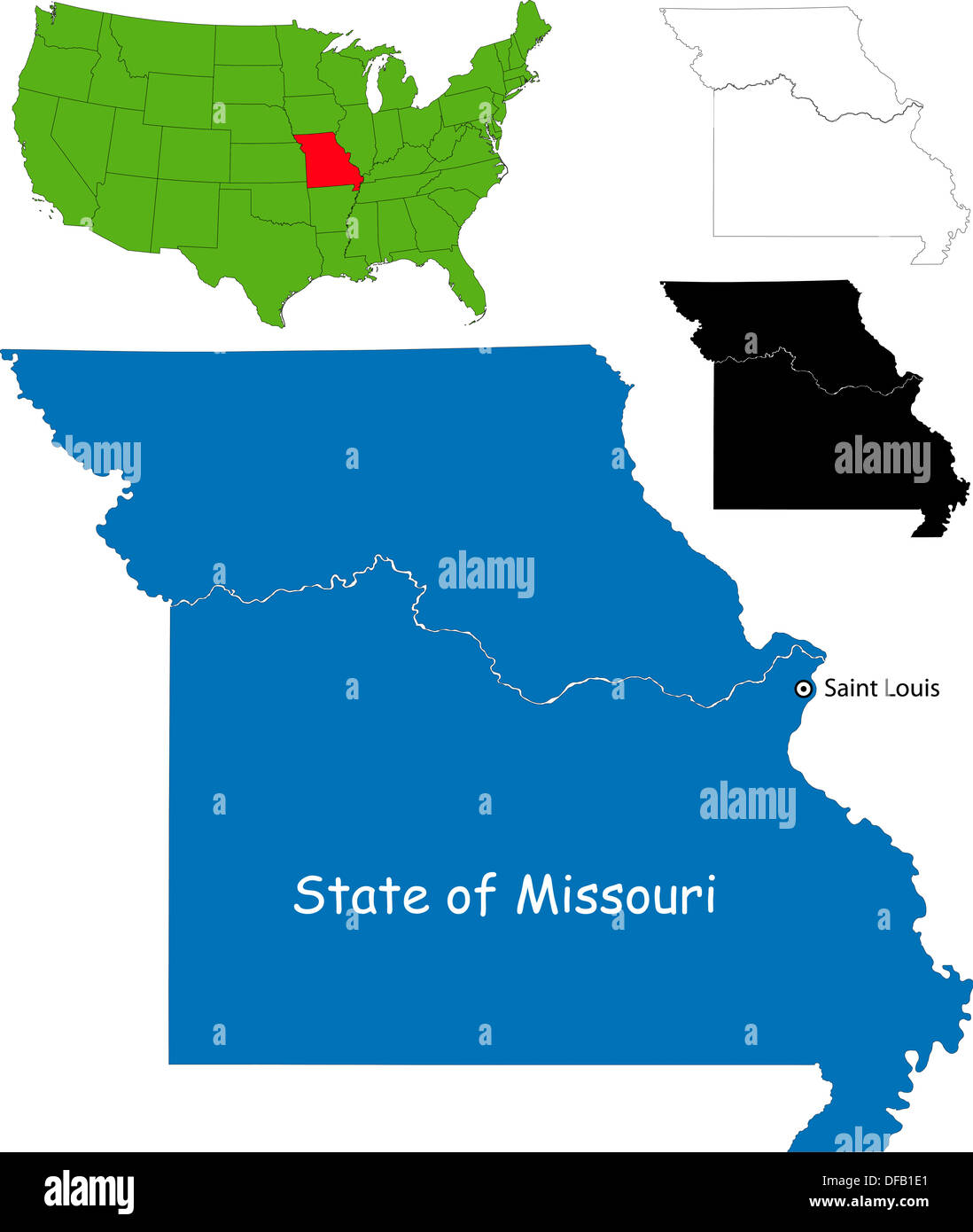
High-speed internet access isn't a luxury anymore; it's a fundamental utility required for remote work, telehealth, and education. Yet, for years, vast stretches of rural Missouri lagged behind urban hubs like St. Louis and Kansas City, trapped by geographic isolation and infrastructure deficits. Today, the Show-Me State is actively reshaping its digital landscape through targeted state investments, federal grant programs, and cooperative provider efforts.
Understanding how Missouri is closing this connectivity gap requires looking past political press releases. We need to examine actual funding mechanisms, deployment strategies, and the remaining hurdles facing remote communities.
The Reality of Missouri's Connectivity Gap
Geographically diverse terrain—ranging from the flat northern plains to the rugged, heavily forested Ozark hills—has historically made broadband deployment in rural Missouri economically punishing for private carriers. Laying fiber-optic cable across low-density counties costs thousands of dollars per household, a return on investment that traditional telecom giants often avoided.
Before recent legislative and federal interventions, tens of thousands of Missouri households relied on sluggish satellite connections or overloaded fixed wireless networks. These legacy options couldn't handle basic modern demands like video conferencing or simultaneous multi-user households.
The economic cost of this gap was severe. Small businesses in rural counties struggled to compete in e-commerce, students fell behind during remote learning periods, and healthcare providers faced steep barriers when trying to scale telehealth services to elderly populations.
Key Funding Drivers: BEAD and State Grants
The turning point for Missouri's digital infrastructure arrived through major injections of federal and state capital. The primary catalyst is the federal Broadband Equity, Access, and Deployment (BEAD) program, alongside state-level initiatives managed by the Missouri Department of Economic Development Office of Broadband Development (OBD).
Missouri secured substantial federal funding to target unserved and underserved locations. Rather than blanketing the state with generic subsidies, the state's deployment strategy focused on competitive subgrantee selections.
- Prioritizing Fiber Infrastructure: State guidelines heavily favored fiber-to-the-premises projects because fiber offers symmetrical speeds and long-term durability.
- Cost Efficiency: Through careful restructuring and competitive bidding rounds, Missouri managed to award 100 percent of BEAD-eligible locations while saving nearly one billion dollars compared to initial cost projections.
- Private-Public Co-Investment: The state successfully leveraged hundreds of millions in private matching funds from local and regional telecommunications providers.
Beyond BEAD, programs like the Missouri Broadband Infrastructure Grant Program funneled millions from the American Rescue Plan and state capital project funds directly into shovel-ready municipal and cooperative builds.
On-the-Ground Challenges in Deployment
Even with hundreds of millions of dollars allocated, turning grant approvals into active home connections requires navigating complex operational hurdles.
Permitting and Right-of-Way Bottlenecks
Stringing fiber cables or digging trenches involves coordination with county road districts, electric cooperatives, and the Missouri Department of Transportation. Delays in obtaining utility pole attachment agreements have historically slowed down construction timelines.
Supply Chain and Labor Constraints
Sourcing specialized materials—such as fiber spools, conduits, and electronic switching gear—remains competitive. Furthermore, rural infrastructure expansion demands skilled lineworkers and technicians. Local utility alliances have ramped up training pipelines, but workforce shortages still occasionally stall deployment speed.
Adoption and Digital Literacy
Infrastructure is only half the battle. Access means little if residents don't have affordable hardware or the digital literacy skills required to navigate online banking, portal-based healthcare, or remote employment platforms. Digital equity programs launched alongside infrastructure grants aim to provide community-level training and device subsidies.
Frequently Asked Questions
How can I check if high-speed internet is coming to my specific Missouri address?
You can check official rollout projections and provider footprints by visiting the Missouri Broadband Map, which tracks awarded BEAD locations and active state project boundaries.
What internet speeds are considered standard under these new grant programs?
Most modern state-backed infrastructure grants require networks to deliver reliable, high-speed connections capable of meeting or exceeding symmetrical standards, ensuring households can upload and download data rapidly without throttling.
Are satellite options like Starlink replacing ground fiber in Missouri?
While low-earth-orbit satellite internet fills critical coverage gaps for extremely remote homesteads in the Ozarks, state infrastructure programs prioritize wired fiber solutions for permanent, high-capacity community backbone connectivity wherever feasible.



