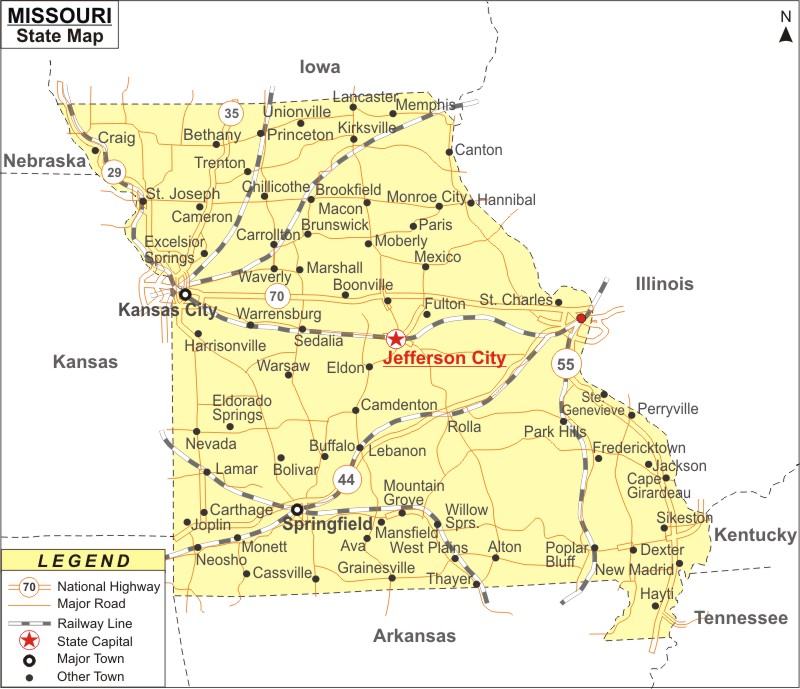
Navigating Missouri's extensive highway system requires constant vigilance, especially as law enforcement agencies report concerning spikes in multi-fatality collisions. When the Missouri State Highway Patrol releases updated crash data or investigates severe single-incident tragedies like multi-fatality wrecks, it triggers urgent questions among drivers, safety advocates, and policymakers. Understanding these trends isn't just about reading numbers on a screen; it's about recognizing the exact driving behaviors that turn routine commutes into devastating losses.
Recent investigations highlight how quickly highway conditions can turn fatal, particularly when high speeds, impaired driving, or dangerous passing maneuvers intersect. If you're looking closely at how these incidents happen, what the data actually shows, and how state troopers work to keep corridors secure, you'll find that prevention comes down to specific, everyday choices behind the wheel. Let's break down what the statistics reveal and how you can protect yourself on Missouri roads.
Analyzing Missouri Traffic Fatality Trends
Statewide crash data compiled by the Missouri Department of Public Safety reveals clear patterns in how and where severe collisions occur. While total traffic volume fluctuates based on tourism, commerce, and seasonal shifts, the core factors contributing to fatal wrecks remain remarkably consistent year after year.
Speeding and driving under the influence consistently rank as the top two probable contributing circumstances in fatal crashes statewide. When vehicles travel at high speeds on rural state highways or major interstates like Interstate 70 or Interstate 44, the margin for error shrinks to nearly zero. A momentary distraction or a misjudged lane change at 70 miles per hour leaves drivers with virtually no time to react. As highlighted in detailed articles by Reuters, the implications are widespread.
Furthermore, single-vehicle crashes account for more than half of all fatal incidents in Missouri. These often involve vehicles running off the road, striking fixed objects like trees or bridge abutments, or rolling over after corrective steering fails. Understanding these baseline numbers helps drivers respect the raw physics of high-speed travel.
Common Contributing Factors in Severe Highway Crashes
Severe multi-fatality collisions rarely happen by pure chance. They are usually the cumulative result of specific hazardous actions. Troopers investigating these scenes look for distinct behavioral patterns that elevate a minor traffic infraction into a catastrophic event.
Impaired Driving and Substance Involvement
Operating a vehicle under the influence of alcohol or drugs remains a leading catalyst for the state's most destructive crashes. Impaired drivers experience delayed reaction times, compromised motor control, and impaired judgment regarding speed and distance. When an impaired driver crosses a centerline or rear-ends slower-moving traffic on a divided highway, the kinetic energy involved frequently overwhelms modern vehicle safety structures, endangering multiple passengers simultaneously.
Aggressive Passing and Lane Discipline
Rural two-lane highways present unique hazards. Drivers frequently misjudge the speed of oncoming traffic when attempting to pass semi-trucks or slower vehicles. Passing on hills or curves, or failing to maintain a safe stopping distance, routinely leads to head-on collisions or forced run-off-road scenarios.
Distracted Driving and Electronic Devices
Texting, adjusting navigation systems, or managing cabin distractions pulls a driver's eyes away from the pavement for critical seconds. At highway speeds, traveling blind for just five seconds covers the length of a football field. Troopers note that distracted driving frequently prevents motorists from noticing slowing traffic ahead, resulting in high-speed rear-end impacts.
Preventive Measures for Safer Highway Driving
Mitigating the risks outlined in highway patrol reports requires conscious adjustments to daily driving habits. Safety isn't just about reacting to immediate hazards; it's about building a defensive driving routine that accounts for the unpredictable actions of other motorists.
- Increase following distances: Maintain at least a three-to-four-second gap between your vehicle and the car ahead, expanding that distance during inclement weather or heavy traffic.
- Eliminate cabin distractions: Put phones away, set your playlist or GPS before shifting into drive, and keep your focus entirely on the roadway.
- Scan far ahead: Look down the road 15 to 20 seconds ahead to spot brake lights, merging traffic, or debris early, giving yourself ample time to react smoothly.
- Never drive impaired: Designate a sober driver or use rideshare services if you plan on consuming alcohol or substances that affect motor skills.
Adopting these habits drastically reduces your exposure to high-risk scenarios, keeping you and your passengers secure during long trips across the state.
Frequently Asked Questions
Where can I find official Missouri traffic crash reports?
You can access public records and request official documentation through the Missouri State Highway Patrol Crash Reports portal. Keep in mind that detailed investigative reports for active criminal cases may take time to become publicly available.
What percentage of fatal crashes involve speeding in Missouri?
Historical safety data indicates that roughly 39 percent of fatal traffic crashes in Missouri involve speed as a primary contributing factor. Excessive speed amplifies the severity of impact and reduces the effectiveness of seatbelts and airbags.
Are rural highways or urban interstates more dangerous?
While urban areas experience a higher total volume of collisions due to congestion, rural highways often see a higher concentration of fatal and severe-injury crashes due to higher sustained speeds, lack of physical median barriers, and longer emergency response times.
What should I do if I witness a severe highway crash?
Pull over safely to the shoulder, turn on your hazard lights, and call 911 immediately. Provide dispatchers with exact location markers, mile markers, or nearby exit signs, along with an estimate of injuries and vehicles involved. Never put yourself in the path of oncoming traffic to assist unless it's safe to do so.