Navigating public arrest data shouldn't feel like deciphering a secret code. If you're searching for Missouri highway patrol arrests, you're likely trying to find a specific incident report, track regional crime trends, or understand how state-level law enforcement data is collected and published. Official figures tell a story, but interpreting them requires knowing where the data comes from, what gets left out, and how to look past the raw numbers.
The Missouri State Highway Patrol (MSHP) processes thousands of incident and arrest reports annually. However, public portals only show a fraction of this information in real time. Knowing how to filter through official databases, recognize reporting limitations, and find accurate historical records will save you time and prevent misinterpretations.
Understanding Missouri State Highway Patrol Arrest Reports
When state troopers take someone into custody, those actions generate official logs. Yet, accessing these documents differs drastically from what people expect based on television depictions of police records.
The MSHP maintains a rolling online database specifically for recent enforcement actions. This portal operates on a strict timeline, meaning records don't stay online indefinitely. If you don't know the mechanics of these logs, you'll miss critical details.
What the Online Portal Shows
The official MSHP online arrest database provides preliminary information for arrests conducted exclusively by state troopers. If a local municipal police department or a county sheriff's office made an arrest, it won't appear in this specific state database.
Key attributes listed in these preliminary logs typically include:
- Full name and age of the individual
- City and state of residence
- Date and exact time of the arrest
- The county and troop jurisdiction where the event occurred
- Preliminary charges or reason for the stop
The 5-Day Visibility Rule
A major point of confusion for researchers and citizens is the lifespan of these online entries. MSHP arrest reports remain automatically posted on the public search portal for exactly five days. Once that window closes, the records drop off the public-facing live feed.
This short window exists because these online logs are meant for immediate public awareness, not long-term background checks. For older records, you must submit formal requests through other state channels, such as the Missouri Automated Criminal History Site (MACHS).
Decoding Regional Crime Trends and Statistics
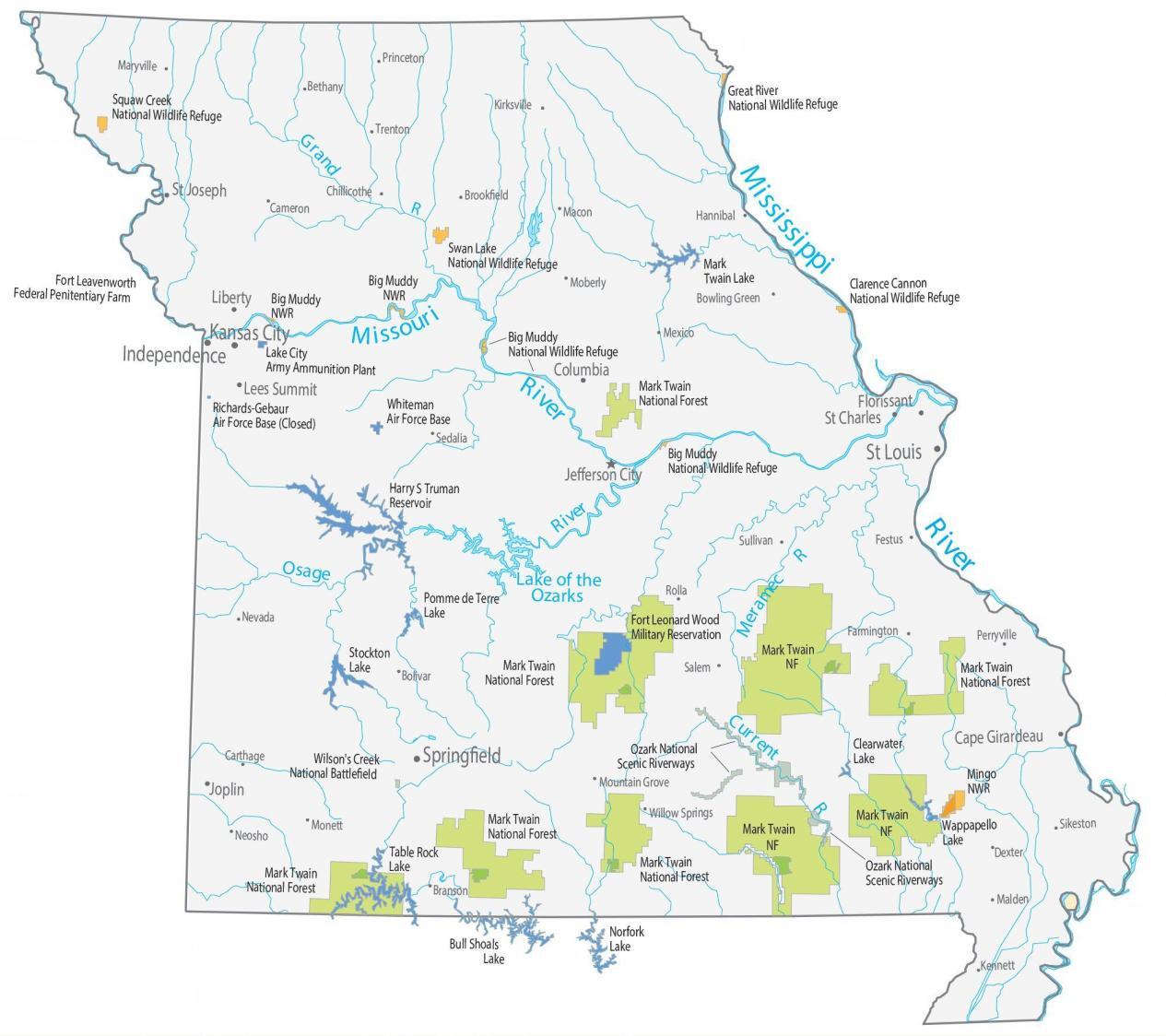
Looking at statewide arrest numbers gives a broad overview, but law enforcement activity varies heavily by geography and troop division. Troopers patrol major interstate corridors like Interstate 70, Interstate 44, and Interstate 55, which heavily skew traffic stop and drug seizure statistics toward high-density transit zones.
County-level breakdowns compiled via state crime reporting portals highlight distinct volume spikes. High-population regions like St. Louis County, Jackson County, and Boone County routinely log the highest total numbers of MSHP-involved enforcement actions. These spikes don't necessarily mean citizens in those counties break laws more frequently; rather, they reflect heavier trooper deployment, larger commuter volumes, and overlapping jurisdictional support on major federal and state highways.
How to Search Official MSHP and State Records
If you're hunting for a specific record or trying to verify information, following the correct procedural steps ensures you get accurate data without running into dead ends.
Step 1: Check the Live Online Database
If the incident happened within the last 120 hours, visit the official MSHP Online Arrest Reports Search. You can search by first name, last name, county, or specific troop letter. Make sure you have the spelling correct, as minor typos will yield zero results.
Step 2: Contact the Local Troop Headquarters
Because online logs are unofficial and temporary, calling the specific troop headquarters is often the fastest way to clarify missing details. Missouri is divided into several geographical troops (ranging from Troop A in the Kansas City area to Troop I in the Rolla area). Speaking directly with the public information officer or records division clarifies whether a case is still under active investigation.
Step 3: Utilize MACHS for Comprehensive Backgrounds
For official criminal history checks that extend beyond a five-day window, rely on the Missouri Automated Criminal History Site. This platform provides authorized fingerprint-based and name-based background checks governed by state statutes.
Common Mistakes When Interpreting Arrest Data
Misunderstanding how law enforcement data works leads to flawed conclusions. Keep these common pitfalls in mind when analyzing numbers:
- Confusing Arrests with Convictions: An arrest record simply means law enforcement had probable cause to take a person into custody. It is not an indicator of guilt or a final court disposition.
- Assuming Statewide Coverage: Remember that MSHP data excludes local municipal and county arrests. Looking only at state patrol stats gives an incomplete picture of total crime in a given city.
- Overlooking Traffic vs. Criminal Breakdown: A large percentage of MSHP arrests stem from traffic-related warrants, driving while intoxicated (DWI) offenses, or commercial vehicle violations rather than violent crimes. Blending all charges together distorts the narrative of what troopers actually handle day-to-day.
Frequently Asked Questions
Why can't I find an arrest report older than a week on the MSHP website?
The MSHP public arrest portal automatically removes records after five days. This portal is designed for preliminary, short-term public notification rather than archiving permanent criminal histories. For older files, you must request records through official state background check channels.
Do MSHP arrest reports include local police department actions?
No. The state portal only lists arrests conducted directly by Missouri State Highway Patrol troopers. If a city police department or county sheriff made the arrest, you must contact that specific local agency or check county court records.
Are the online arrest reports considered official legal documents?
No. The MSHP explicitly notes that online records are preliminary and unofficial. Official criminal history records require formal processing through state repositories to account for later court dismissals, reductions, or final convictions.
How can I track traffic crashes and boating incidents alongside arrests?
The state provides consolidated public safety portals through platforms like Show-Me Crime Reporting, which tracks multi-agency statistics, traffic fatalities, missing persons, and statewide crime trends.


