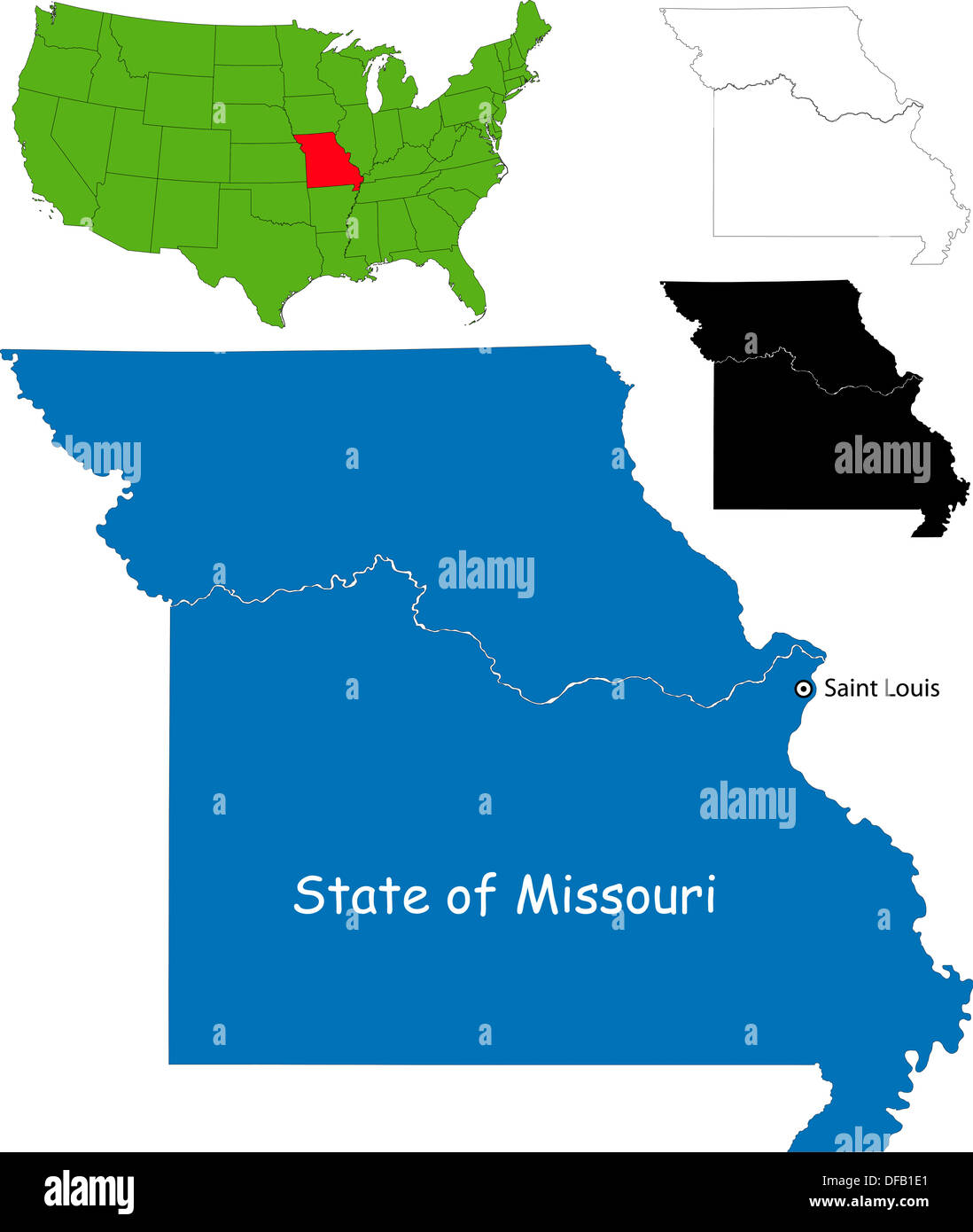
Navigating public safety data in the state requires understanding how Missouri highway patrol arrest reports function and what regional patterns emerge from daily enforcement. These public records offer a direct window into highway safety, traffic enforcement priorities, and criminal apprehensions handled by state troopers across various operational troops. If you're trying to track a specific incident or understand broader statistical shifts, knowing where to look and how to interpret the data changes everything.
Official enforcement data comes directly from state channels, but public perception often misinterprets what these daily logs actually show. Troopers handle everything from routine commercial vehicle inspections to major felony stops on interstate corridors. Understanding the underlying metrics requires looking past raw headcounts and examining how data is collected, published, and archived across different jurisdictions.
Understanding Missouri Highway Patrol Arrest Reports
State troopers file daily operational logs that capture preliminary enforcement actions. These documents serve a distinct purpose within the Missouri Department of Public Safety. Unlike municipal police department logs that cover localized city streets, state patrol entries typically focus on state highways, interstates, and unincorporated county areas, though troopers assist local agencies when needed.
When you look up these records, you're viewing a snapshot of active enforcement. The state maintains a specific portal through the Missouri State Highway Patrol Online Arrest Reports system where citizens can query recent custody events. However, these logs remain online for a brief window—typically five days—before rolling off the public-facing portal. This design choice often surprises researchers who expect a permanent, searchable historical archive of every minor traffic stop. For broader context on this issue, in-depth reporting can be read at The New York Times.
Troop divisions also dictate how records are organized. The state splits its operations into nine distinct geographical troops, ranging from Troop A in the Kansas City area to Troop I in the central Ozarks. Each troop commander oversees local enforcement trends, meaning that arrest volume fluctuates significantly based on population density, major commuting corridors, and seasonal tourism spikes.
Key Trends and Statistical Patterns in State Enforcement
Analyzing statewide enforcement data reveals consistent patterns in why people end up in state custody. Traffic violations consistently make up the bulk of daily entries, but underlying factors like impaired driving and outstanding warrants drive the serious felony numbers.
Driving Under the Influence and Substance Enforcement
Impaired driving remains one of the most frequent catalysts for state trooper intervention. Interstate corridors like Interstate 70 and Interstate 44 see concentrated patrols, particularly during holiday weekends and late-night hours. Troopers rely on standardized field sobriety tests and chemical testing, yielding arrest volumes that spike predictably during summer months and major sports seasons.
Commercial Vehicle Violations
Because the patrol regulates commercial motor carrier safety, weigh station inspections and interstate trucking compliance generate a unique subset of arrest logs. Overweight violations, logbook falsifications, and mechanical safety failures occasionally escalate from civil fines to custodial arrests if drivers have active warrants or face criminal charges related to cargo theft or substance possession.
Warrant Apprehensions on Major Corridors
Many routine traffic stops on state highways result in sudden arrests due to pre-existing bench warrants issued by municipal or county courts. When a trooper runs a license plate or driver's license during a minor speeding stop, mobile data terminals flag active warrants. This dynamic inflates the number of arrests logged on major rural stretches of highway, as out-of-county drivers get pulled over miles away from where their original legal troubles began.
How to Access and Verify Public Safety Records
Finding accurate information requires knowing the limits of online portals. Because online database entries expire after five days, relying solely on a quick web search won't give you a complete historical picture of a person's legal history.
For official background checks or certified criminal history information, residents must utilize the Missouri Automated Criminal History Site (MACHS) managed by the state. MACHS provides a secure channel for fingerprint-based background checks, which differ entirely from the preliminary, unverified media logs published on the highway patrol's daily arrest portal.
When searching for records, keep these practical steps in mind:
- Identify the specific troop or county where the incident occurred to narrow down your inquiry.
- Note the exact date of the event, remembering that online preliminary logs vanish after a few days.
- Contact the local troop headquarters directly if an online report has already expired and you need official assistance.
- Verify whether the arresting agency was the state patrol or a local sheriff's department, as state logs exclude arrests handled exclusively by local police.
Common Misconceptions About State Arrest Data
Public confusion often surrounds how these reports are managed and what they signify. One frequent error is treating a highway patrol arrest entry as a final criminal conviction. Preliminary logs represent only an initial accusation; prosecutors later decide whether to file formal charges, and individuals maintain the presumption of innocence until proven guilty in a court of law.
Another misconception involves data completeness. People often search state logs for municipal code violations or city police encounters, only to find nothing. If a local police department or county sheriff makes an arrest within city limits, those records do not automatically appear on the state patrol portal. The highway patrol database is strictly siloed to incidents investigated by state troopers.
Finally, media outlets and automated data-scraping sites sometimes republish expired patrol logs, leading to outdated information circulating online long after an individual's case has been resolved or expunged. Checking primary state sources remains the only way to ensure data accuracy.
Frequently Asked Questions
How long do arrest reports stay on the Missouri State Highway Patrol website?
Preliminary arrest reports published online remain visible for five days before they are automatically removed from the active portal.
Are all Missouri arrests listed on the highway patrol website?
No. The portal exclusively displays arrests investigated and performed directly by members of the Missouri State Highway Patrol. Arrests made by local police departments or county sheriff's offices are maintained through their respective local agencies.
How can I get a complete criminal history background check in Missouri?
You can request official, certified background checks through the Missouri Automated Criminal History Site (MACHS), which provides authorized fingerprint and name-based search options.
What should I do if an arrest report contains an error?
If you spot an administrative error or need clarification on a preliminary report, you should contact the specific troop headquarters responsible for the investigation to request an official review.



