Navigating public safety data in the Show-Me State requires knowing where official documentation lives. If you're searching for specific detention details, traffic stops, or custody logs handled by state troopers, you won't find everything in a single county clerk filing cabinet. The Missouri State Highway Patrol maintains distinct public portals for tracking law enforcement actions, but these systems operate under strict retention rules that catch many researchers off guard.
Understanding how these public databases function helps you locate what you need without running into dead links or missing files. Whether you're investigating a specific incident, checking regional enforcement data, or filing a formal Sunshine Law request, you'll need a clear roadmap of how state reporting works.
Where to Find Official Missouri Highway Patrol Arrest Reports
The primary gateway for public-facing custody documentation is the online arrest log maintained directly by state law enforcement. The Missouri State Highway Patrol Arrest Reports Portal indexes recent enforcement actions logged by troopers across different regional troops.
However, this system has a major operational catch that frustrates casual users: reports posted online remain active for only five days. Once that window closes, the daily logs drop off the public search feed.
When you use the online query tool, you can filter results by:
- First and last name of the individual
- Arrest county
- City or state of residence
- Specific date or regional troop letter designation
Keep in mind that these web listings only display actions performed directly by the state patrol. If a municipal police department or a local sheriff's office made the stop, it won't appear in the state database, even if highway troopers assisted later.
Understanding the Limitations of Online Police Logs
Public databases provided by state agencies serve a specific, narrow purpose. They offer preliminary, unverified snapshots of recent police activity rather than permanent criminal histories.
Because these records update automatically, they lack formal court dispositions. An entry showing a person was taken into custody doesn't mean formal charges were filed by a prosecutor, nor does it indicate a conviction. Relying solely on a five-day web log for background checks or legal research is a major mistake. For official background checks, individuals must utilize the Missouri Automated Criminal History Site (MACHS) to request certified fingerprint-based records.
Furthermore, minor juveniles and certain sensitive case details are automatically scrubbed or restricted from public web viewing to comply with state privacy statutes. If a name doesn't show up in the active portal, it doesn't automatically mean no action occurred; it might simply mean the five-day window expired or the case falls under statutory confidentiality rules.
How to Request Older or Missing Records
If the online search tool returns nothing because the incident happened months or years ago, you have to shift strategies. Official records don't vanish into thin air; they move from temporary daily logs into archived state files.
Submitting a Missouri Sunshine Law Request
Under the state's open records legislation, any citizen can request formal police reports from the Patrol Records Division. To get results, your request needs specific details:
- Full legal name and birthdate of the individual involved
- Approximate date and time of the incident
- Specific geographic location or highway designation where the event took place
- Incident or case number if you already have it from a news report or traffic citation
Submissions can be directed to the Patrol's headquarters in Jefferson City. Agencies typically acknowledge requests within a few business days, though processing fees often apply depending on how many pages or digital files require review.
Contacting Regional Troop Headquarters
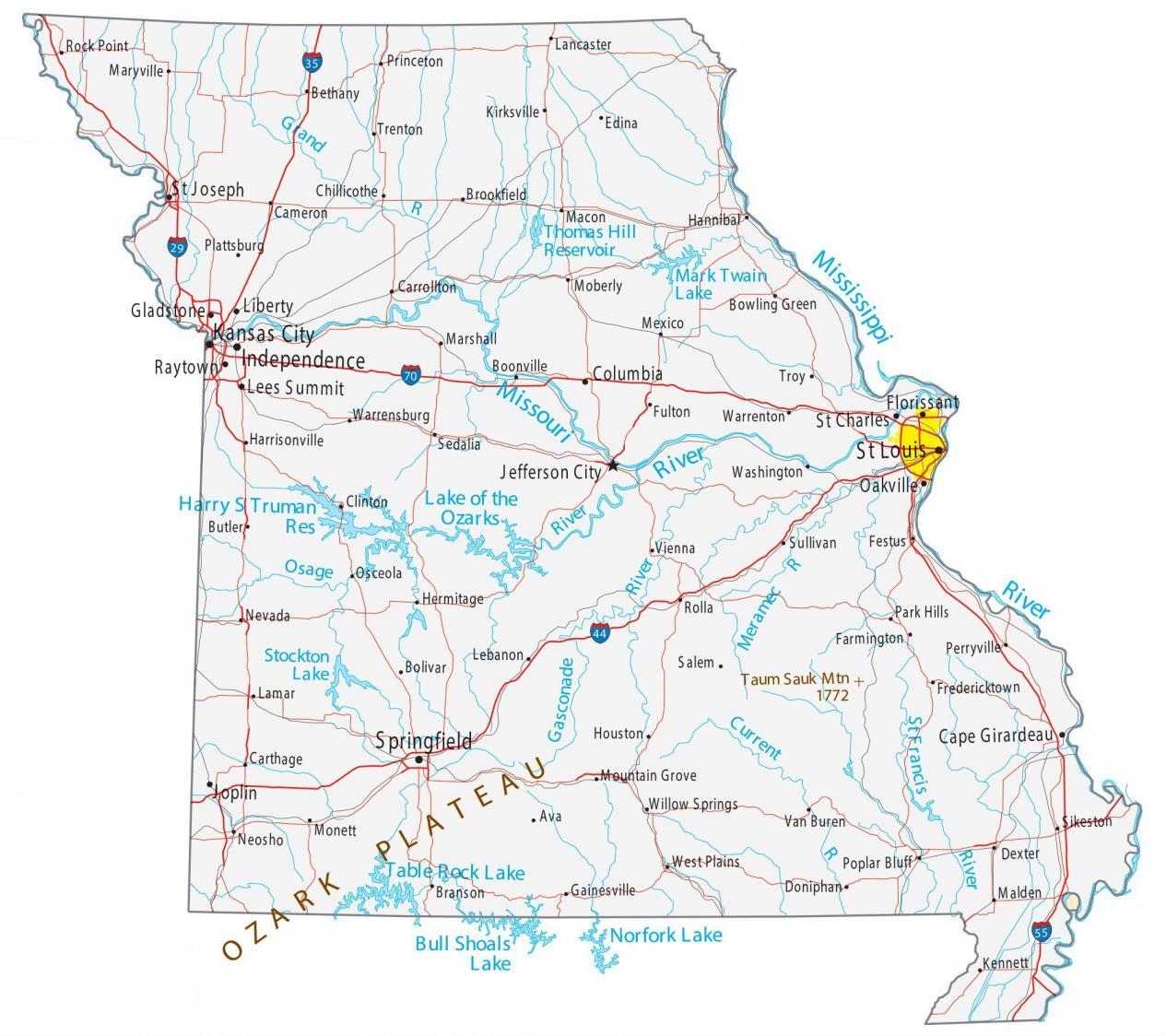
Missouri is divided geographically into troops labeled A through I. If you know which region handled the incident, contacting that specific troop headquarters often yields faster answers than routing everything through central records. Troop commanders can verify whether an older incident report is eligible for public release or guide you to the appropriate county courthouse where the case was eventually prosecuted.
Common Mistakes When Searching Law Enforcement Data
Researchers frequently hit roadblocks because they misunderstand jurisdictional boundaries. Troopers patrol state highways and rural routes, but they rarely manage city jails or local municipal dockets. If you're looking for someone booked into a local holding facility, checking the county sheriff's inmate roster is usually much more effective than searching state highway databases.
Another common pitfall is expecting real-time updates during major holidays or severe weather events. While automated systems run continuously, staff verification of complex crash investigations or multi-agency operations can take several days. Patience and precise spelling of names are essential when querying state logs.
Frequently Asked Questions
Are Missouri State Highway Patrol online arrest reports considered official criminal history?
No. The web logs are preliminary, unofficial notices meant for public transparency and media awareness. They are automatically removed after five days and do not reflect final court outcomes or dismissed charges.
Why can't I find an arrest record from last month on the MSHP website?
The public search portal only retains records for five days. To find older documentation, you must submit a formal records request to the Patrol Records Division under the state Sunshine Law.
Do MSHP arrest reports include local city police arrests?
No. The state patrol portal only indexes arrests directly executed by state troopers. Municipal arrests and city police blotters must be requested directly from the local police department that made the arrest.
How much does it cost to obtain a formal police report from the state?
Fees vary depending on the length of the document and whether you require digital copies or certified physical pages. Standard duplication fees are regulated under state open records guidelines.


