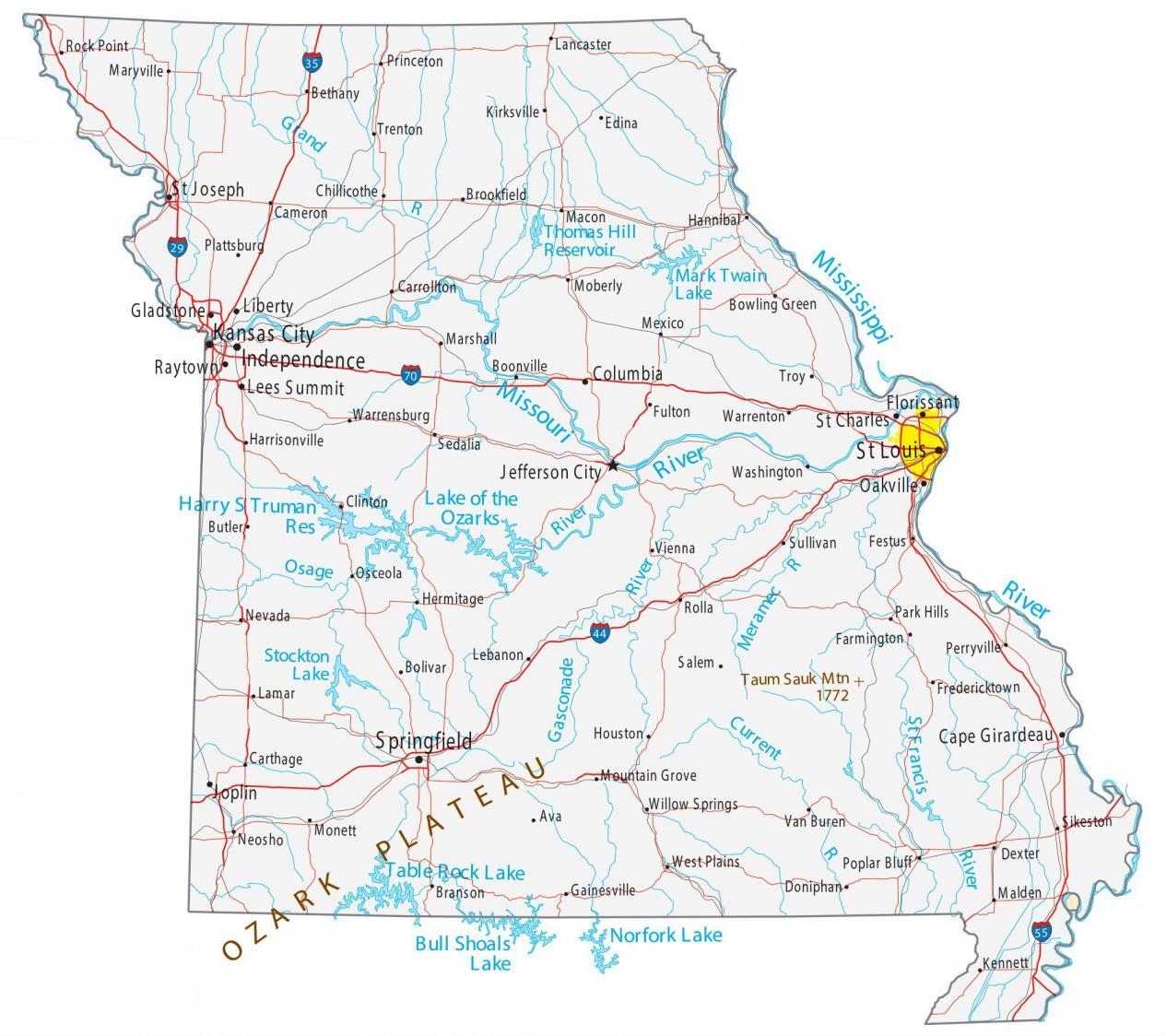
Navigating the aftermath of a motor vehicle collision requires official documentation. If you're dealing with insurance adjusters or legal representation, you'll need a legitimate Missouri crash report to verify the incident details. The Missouri State Highway Patrol (MSHP) and local law enforcement agencies process thousands of these records annually, but obtaining the correct paperwork can feel confusing if you don't know where to look.
You can request official crash records directly through the Missouri State Highway Patrol Traffic Crash Reports portal or by contacting the Patrol Records Division. Preliminary details often appear online within days, but official reports require a waiting period of at least ten working days. Beyond securing the right files, you must stay alert to third-party data brokers and predatory solicitation scams that target vulnerable drivers.
Where to Find Official Missouri Accident Data
Getting an accurate copy of your accident record depends entirely on which law enforcement agency investigated the scene. Not all accidents are handled by the same entity, meaning your point of contact will shift based on geography.
- Missouri State Highway Patrol (MSHP): If a state trooper investigated the collision on a state highway or rural route, the record goes through the MSHP Patrol Records Division. You can request copies online, by mail, or by phone.
- Local Police Departments: Collisions occurring within city limits are typically handled by municipal police or county sheriff departments. The Highway Patrol does not store or distribute local police reports. You'll need to contact the specific municipal records department directly.
- Online Preliminary Databases: The MSHP maintains a public online query tool for preliminary accident data. Keep in mind that these preliminary entries remain active for 29 days and do not replace the final official investigative report.
Step-by-Step Instructions to Request Your Report
Securing an official report from the state patrol requires following specific administrative procedures. Standard processing fees apply, and requests must include precise details about the incident.
- Wait for processing: Allow at least ten working days from the date of the crash before submitting your request, as investigating officers need time to finalize their documentation.
- Gather incident details: Have the date, time, county or municipality, exact location, and the name of at least one involved driver ready.
- Submit your request: Visit the MSHP Traffic Crash Reports online submission portal or mail a written request to the Patrol Records Division in Jefferson City.
- Pay the required fee: The state currently charges a standard fee of $6.00 for basic motor vehicle crash reports. Cash payments are typically not accepted through mail requests.
Spotting and Avoiding Accident Data Scams
Because accident records are public information, bad actors and shady marketing operations monitor police logs to target drivers when they're most vulnerable. Knowing how to spot these traps keeps your personal information secure.
Unscrupulous data collection sites often mimic official government portals. These third-party services charge exorbitant fees—sometimes ten times the actual state cost—just to pull public documents you could acquire directly. Always check the browser address bar to ensure you're interacting with an official .gov domain before entering payment details.
Another common trap involves unauthorized direct mail solicitations. If you receive immediate letters or calls from unknown medical clinics, chiropractors, or legal services claiming urgent representation is needed, proceed with extreme caution. Under professional conduct guidelines, legitimate legal professionals must adhere to specific waiting periods before contacting recent crash victims, and they must disclose how they acquired your public record.
Common Mistakes to Avoid
- Requesting too early: Submitting a request on day two usually results in a delayed response or a notification that the file doesn't exist yet. Give the agency adequate time to process the paperwork.
- Trusting unofficial lookup sites: Using random search engines for "free accident reports" often leads to phishing pages designed to harvest your personal data or credit card numbers.
- Ignoring local jurisdiction rules: Requesting a St. Louis city police report from the state highway patrol yields zero results because municipal agencies maintain separate archives.
- Disregarding insurance timelines: Waiting weeks to request the report can stall your insurance claim processing. File your request promptly after the mandatory waiting period ends.
Frequently Asked Questions
Can I get a Missouri crash report emailed to me?
No. Due to high volume and data security policies, state law enforcement agencies do not email official crash reports to individual requesters. You must download them through authorized secure portals or request them by mail.
What information is included in an official report?
An official report contains the investigating officer's narrative statement, diagrams, road surface conditions, insurance details for all parties, vehicle identification numbers, and any citations issued at the scene.
What should I do if my report contains factual errors?
If you notice an incorrect date, misspelled name, or factual inaccuracy in the narrative, contact the troop headquarters or police division where the investigating officer is stationed to request an amendment.
Are non-injury accidents recorded online?
No. The state patrol does not publish radio reports for minor, non-injury property damage crashes on public online databases due to system constraints. You must request those records directly through administrative channels.



