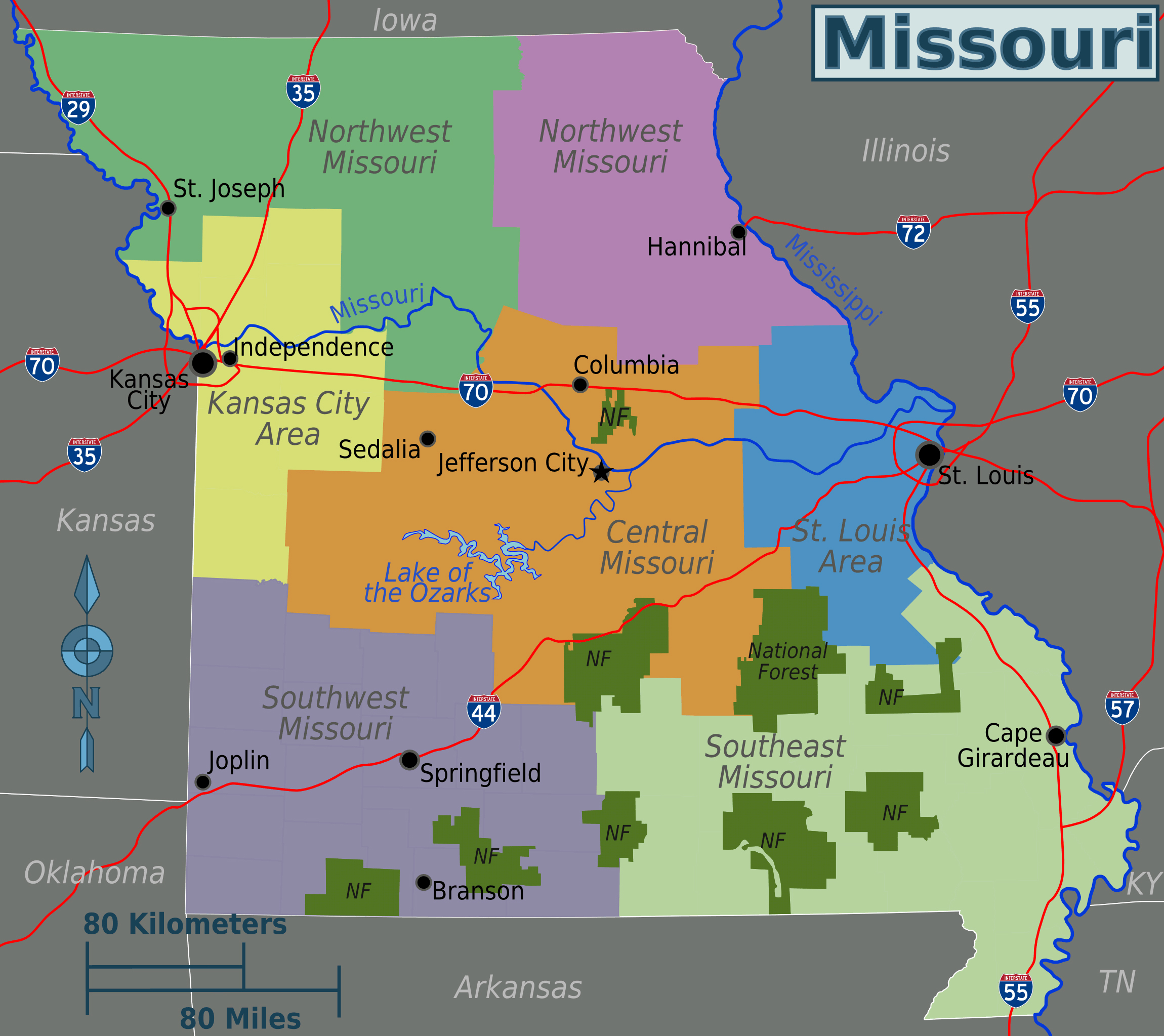
Navigating Missouri correctional facilities requires looking past basic prison population statistics to examine how the state manages custody, classification, and institutional operations. The Missouri Department of Corrections operates 19 adult institutions, handling everything from initial intake diagnostic assessments to maximum-security housing. If you're tracking how this state system evolved from its 19th-century roots into modern operations, you need to look at concrete security tiers, systemic challenges, and structural changes across the state.
Understanding this system means breaking down how facilities are categorized, how inmates move through reception hubs, and what operational hurdles face corrections staff daily. Whether you're researching prison demographics, security tier differences, or recent policy changes, this breakdown maps out the operational reality of Missouri corrections.
Structure and Security Tiers in Missouri Prisons
The state divides its institutional facilities into distinct custody levels to manage risk and allocate resources effectively. Rather than a blanket approach, the Missouri Department of Corrections assigns custody level numbers to each facility.
- Custody Level 1 (Minimum Security): Facilities like Boonville Correctional Center focus heavily on work programs, education, and institutional support. Inmates housed here typically have lower risk scores and shorter remaining sentences.
- Custody Level 2 (Medium Security): Institutions such as Algoa Correctional Center house offenders requiring more structured supervision, perimeter fencing, and controlled movement within the facility.
- Custody Level 5 (Maximum Security): Facilities like Potosi Correctional Center handle high-risk offenders, disciplinary segregation, and specialized units.
Classification isn't static. Inmates move between security levels based on institutional behavior, program participation, and time served. When an offender first enters the system, they don't go straight to a permanent housing unit. They land at a reception and diagnostic center.
The Intake and Diagnostic Process
Every individual sentenced to state prison enters through a specialized diagnostic hub. Men are sent to facilities like the Eastern Reception, Diagnostic and Correctional Center, Fulton Reception and Diagnostic Center, or Western Reception and Diagnostic Center. Women are processed through the Women's Eastern Reception, Diagnostic and Correctional Center.
During the intake window—which typically lasts several weeks—staff evaluate each incoming prisoner across multiple metrics:
- Medical and Mental Health Screening: Identifying chronic illnesses, immediate treatment needs, and psychological risk factors.
- Educational and Vocational Assessment: Testing literacy levels, checking high school diploma status, and reviewing past work history.
- Security Risk Scoring: Evaluating the nature of the conviction, gang affiliations, and past criminal record to assign an initial custody level.
Once intake concludes, the classification committee assigns the inmate to a permanent facility that matches their security requirements and programming needs.
Evolution Away From the Past: The Shadow of MSP
You can't discuss Missouri's system without noting its major historical pivot. For over 160 years, the flagship facility was the Missouri State Penitentiary (MSP) in Jefferson City. Opened in 1836, it was the oldest operating penitentiary west of the Mississippi River.
MSP earned a notorious reputation over the decades for severe overcrowding, riots, and aging infrastructure. By the time the state closed MSP in 2004, it was obsolete. Inmates were transferred to newer facilities like the adjacent Jefferson City Correctional Center. That closure marked a turning point, pushing the state toward modern architectural designs centered on modular housing units and improved electronic surveillance, though modern facilities still battle significant structural hurdles.
Operational Realities and Current Challenges
Running nearly two dozen major facilities requires managing thousands of staff members and a population hovering around 23,000 to 24,000 incarcerated individuals. Like many state correctional systems, Missouri faces persistent operational bottlenecks.
Staff retention remains a primary obstacle. Corrections officers often work mandatory overtime due to high vacancy rates, leading to burnout and safety concerns inside housing units. Additionally, outsourcing medical care and food services to private contractors has historically triggered public scrutiny over service quality and supply consistency.
Environmental conditions also draw legal and public attention. Several older facilities lack comprehensive climate control in housing units, prompting scrutiny and litigation regarding extreme summer temperatures. Balancing cost-efficiency with constitutional standards of confinement remains an ongoing debate for state lawmakers.
Rehabilitation and Reentry Initiatives
While security and containment consume the bulk of the state's operational budget, modern facilities emphasize programming designed to reduce recidivism. Inmates have access to several core self-improvement tracks:
- Substance Abuse Treatment: Intensive residential treatment programs operate inside specific facilities, such as the Maryville Treatment Center, targeting chemical dependency.
- Educational Programming: Opportunities range from adult basic education and GED completion to vocational training in fields like carpentry, welding, and computer-aided drafting.
- Faith-Based and Character Units: Specialized living units encourage peer accountability and structured personal growth.
Successful reentry starts long before an offender's release date. Transitional planning involves connecting soon-to-be-released individuals with state parole officers, housing assistance networks, and local job placement resources to ease the transition back into society.
Frequently Asked Questions
How many state prisons are currently active in Missouri?
The state operates 19 adult institutions, alongside diagnostic centers and community supervision units, bringing the total number of managed facilities to around 21.
Where are female offenders housed in Missouri?
Female offenders are primarily processed and housed at the Women's Eastern Reception, Diagnostic and Correctional Center in Vandalia, along with other specialized community or minimum-security units.
How does an inmate's security level change over time?
Security custody levels—ranging from Level 1 minimum to Level 5 maximum—are periodically reviewed by classification teams. Good institutional behavior, lack of disciplinary infractions, and completion of required programs can help an inmate step down to a lower security environment.
Can family members visit inmates in Missouri state facilities?
Yes. Visitation is permitted, but visitors must complete an application process, pass a background check, and schedule visits according to the specific facility's operating rules and the inmate's custody status.


