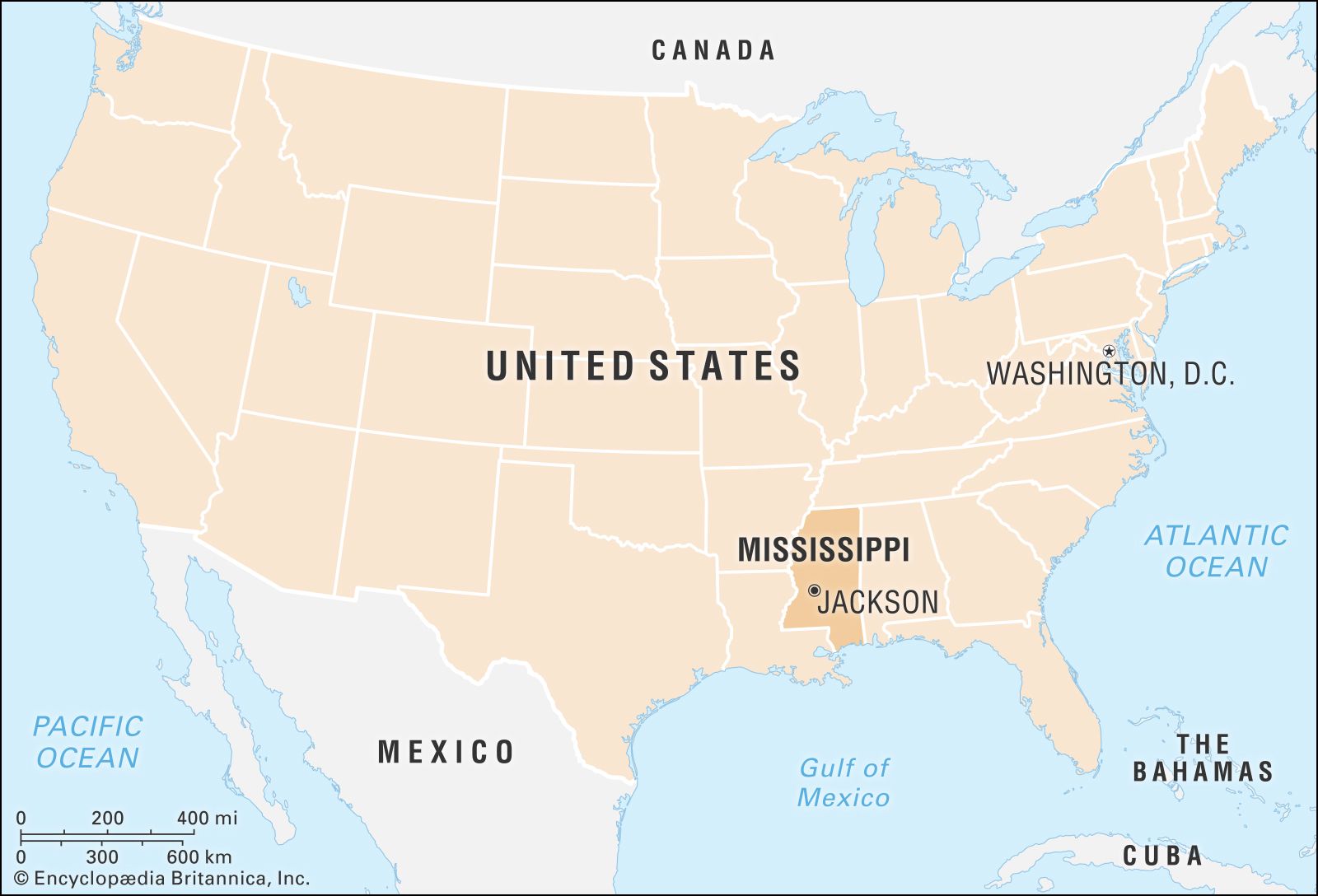
When people talk about the most notorious correctional facility in Mississippi, they aren't referring to a generic municipal lockup. They mean the Mississippi State Penitentiary, universally known as Parchman Farm. Operating across thousands of acres in Sunflower County, this facility has cast a long shadow over American carceral history for more than a century. It's a place where agricultural labor, systemic violence, and high-stakes federal oversight intersect to expose the deepest fractures in the Southern penal system.
Understanding Parchman requires looking past the cinematic myths and examining documented history, structural realities, and ongoing federal interventions. The facility opened in 1901 with a specific economic and punitive mandate, evolving from a raw labor camp into a sprawling maximum-security complex. For anyone researching state correctional systems, prison conditions, or historical criminal justice reform, Parchman represents a crucial case study in how institutions grapple with overcrowding, legal mandates, and institutional inertia.
Origins and Evolution of Parchman Farm
The roots of the Mississippi State Penitentiary trace back to the turn of the twentieth century, when Mississippi sought a way to replace the corrupt and brutal convict lease system. Instead of leasing prisoners to private planters and industrial companies, the state purchased thousands of acres of fertile delta land in Sunflower County to establish a working agricultural prison.
The original design of Parchman was modeled on a plantation economy. Inmates lived in scattered camps across the property and spent their days performing grueling manual labor in the cotton fields. This setup generated revenue for the state while enforcing strict racial and social hierarchies.
Over the decades, the physical and operational footprint of Parchman shifted significantly. The state gradually consolidated the scattered agricultural camps into more centralized maximum-security units, including Unit 32, which later became the focal point of intense legal battles over solitary confinement and human rights. Despite these architectural changes, the lingering legacy of its plantation roots remained visible in its reliance on inmate labor and its isolated rural setting.
Daily Operations and Security Structure
Managing a multi-thousand-acre maximum-security prison requires a rigid, hierarchical operational structure. Parchman houses offenders across various custody levels, ranging from minimum-security units to high-security housing designated for individuals deemed the greatest management concerns.
Daily life inside the facility follows a strict routine governed by security counts, meal times, and controlled movement.
- Housing and Classification: Inmates are assigned to specific units based on their security classification, sentence length, and behavioral history. Overcrowding has historically strained these housing assignments, forcing the Mississippi Department of Corrections to manage populations in spaces that often operate near or above designed capacity.
- Work and Vocational Assignments: Agriculture remains a part of the institution's operational history, though modern work programs also include facility maintenance, kitchen operations, and basic industrial tasks. These jobs are intended to maintain institutional self-sufficiency, but they frequently face criticism over compensation and safety standards.
- Programming and Reentry: Educational services, including GED preparation and substance abuse counseling, operate within the facility. However, resource constraints and periodic lockdowns often limit consistent inmate participation in rehabilitative programming.
Federal Scrutiny, Lawsuits, and Civil Rights
Parchman has spent decades under intense legal scrutiny from civil rights organizations and the federal government. The U.S. Department of Justice has investigated conditions at the facility multiple times, uncovering severe systemic deficiencies related to constitutional protections.
In 2020, mounting violence, crumbling infrastructure, and critical staff shortages sparked a crisis that drew national headlines. Multiple inmates died during a wave of disturbances, prompting federal lawsuits filed by organizations like the American Civil Liberties Union on behalf of incarcerated individuals. These legal actions highlighted extreme problems, including inadequate medical and mental healthcare, rampant contraband, and a lack of basic protection from violence.
Subsequent federal consent decrees and settlement agreements forced the state to commit to major operational overhauls. These mandates required improvements in staffing levels, enhanced monitoring of housing units, upgraded mental health services, and significant restrictions on the use of isolation and long-term lockdowns.
Staffing Pressures and the Human Element
The day-to-day reality of Parchman rests on the shoulders of its correctional officers and support staff. Working in a maximum-security environment with chronic staff shortages creates intense occupational hazards and high burnout rates.
Officers face difficult conditions, managing volatile populations while navigating equipment shortages and administrative stress. These staffing deficits directly impact safety inside the walls. When post positions go unfilled, scheduled recreation, medical call-outs, and educational programs are often canceled, which heightens tensions across the housing units.
Addressing these workforce challenges remains one of the primary hurdles for state administrators. Improving retention requires competitive pay, better safety protocols, and comprehensive psychological support for staff exposed to high-stress environments year after year.
Frequently Asked Questions
What is the official name of Parchman Farm?
The facility's official name is the Mississippi State Penitentiary. It is operated by the Mississippi Department of Corrections and is located in Sunflower County, Mississippi.
Why is Parchman historically significant?
Parchman is significant because it was established in 1901 to replace the convict lease system, operating as a massive agricultural prison that mirrored a cotton plantation. It has since become a central focus for discussions on Southern penal history and civil rights litigation.
What federal interventions have taken place at Parchman?
The U.S. Department of Justice and civil rights groups have filed numerous lawsuits regarding constitutional violations at the prison. Recent consent decrees mandate improvements in inmate safety, mental healthcare, physical infrastructure, and staffing levels.
Does Parchman still use inmate agricultural labor?
While the prison operates large agricultural programs that once defined its entire existence, modern operations are heavily focused on maximum-security management, with agricultural work serving as only one component of institutional maintenance and work assignments.


