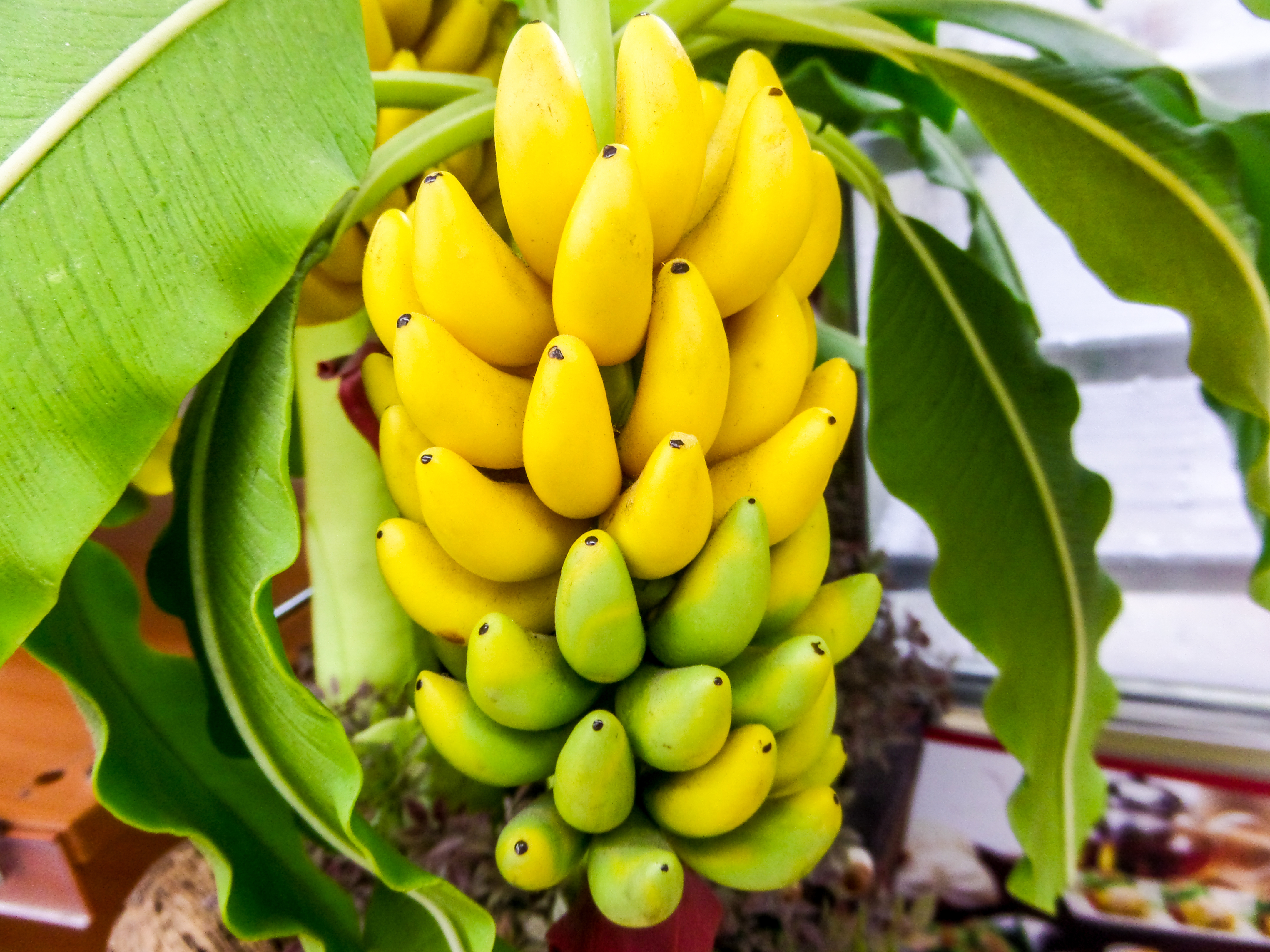
Fruit culture isn't staying static anymore. While traditional produce supply chains have long relied on uniform sizing and long-distance transport, contemporary growers, culinary artists, and independent initiatives are shaking up how we select, ripen, and value everyday produce. Among these movements, the persona known as Miss Banana has sparked a broader conversation about shifting away from sterile grocery store aisles and moving toward a more tactile, intentional relationship with everyday fruit.
If you're wondering how modern fruit culture is actually changing on the ground, it's not just about aesthetics. It's about optimizing flavor profiles, minimizing food waste at home, and understanding the supply chain from farm to kitchen counter. Let's break down what's driving this shift and how you can apply these principles to your own kitchen habits.
Understanding Modern Fruit Culture
For decades, supermarkets dictated what "good" fruit looked like. Bananas had to possess a pristine yellow hue without blemishes, apples needed a waxy sheen, and any produce straying from strict visual standards was discarded before hitting shelves. This rigid approach created a massive disconnect between consumers and natural ripening processes.
Movements centered around figures like Miss Banana emphasize rejecting these artificial standards. Instead of treating fruit as a manufactured commodity, modern advocates treat it as a living, breathing ingredient that requires proper timing, humidity management, and respect for natural aging.
When you buy produce with natural variation, you aren't getting an inferior product. You're usually getting fruit harvested closer to peak ripeness. Supermarket chains often pick produce green so it survives a two-week transit window, which directly compromises sugar development and aromatic complexity.
The Science of Ripening and Post-Harvest Handling
Most people don't realize how much control they have over their fruit after bringing it home. Ethylene gas plays a starring role here. Bananas, avocados, and tomatoes are major ethylene producers. If you store them in an enclosed space, they accelerate their own ripening and affect neighboring produce.
Here's how to manage your fruit counter like a professional:
- Separate the bunch: Don't keep bananas clustered tightly together on the stem if you want to slow down their ripening. Separating them at the crown reduces the rate at which ethylene gas concentrates at the top of the fruit.
- Control ambient temperature: Keep tropical fruits out of the refrigerator until they reach your preferred stage of ripeness. Cold temperatures damage cell membranes in bananas, causing the peel to darken prematurely while halting proper sugar conversion.
- Manage humidity: Use perforated containers for berries and stone fruit to prevent moisture buildup while keeping air circulation steady.
For a deeper look into agricultural supply chains and consumer trends, check out the Food and Agriculture Organization guidelines on food loss reduction, or review consumer insights from The Packer regarding produce marketing shifts.
Common Mistakes in Home Fruit Storage
Even with the best intentions, everyday kitchen habits often ruin fresh produce before you get a chance to enjoy it. Avoiding these common errors makes a noticeable difference in flavor and shelf life.
Storing Everything in the Crisper Drawer
Tossing every piece of fruit into the refrigerator crisper drawer is a recipe for quick spoilage. Stone fruits like peaches and plums need room-temperature counter ripening first. Once they yield slightly to pressure and smell fragrant, move them to the fridge to pause the process.
Washing Fruit Too Early
Never wash berries, grapes, or cherries when you first bring them home unless you plan to eat them immediately. Residual moisture encourages mold growth within hours. Wait until right before consumption to give your produce a thorough rinse.
Ignoring Ripening Companions
Putting unripe avocados next to a ripe banana in a brown paper bag isn't just an old wives' tale—it works. The trapped ethylene gas speeds up softening. However, leaving your entire fruit bowl cluttered together means your ripe bananas will turn mushy overnight because they are constantly bathing in ripening hormones.
Integrating Functional Produce Into Daily Meals
Revolutions in fruit culture aren't just about storage; they change how we cook and eat. Instead of treating fruit as a standalone snack or an afterthought, modern home cooks use varying ripeness stages for distinct culinary applications.
- Underripe fruit: Firm bananas or slightly green plantains contain higher levels of resistant starch, which behaves more like dietary fiber in the gut. They work well in savory sautés or curries.
- Peak ripeness: This is the sweet spot for raw consumption, smooth blending, and immediate snacking where sugar content and vitamins peak.
- Overripe fruit: Instead of tossing spotted bananas or soft pears, freeze them immediately for smoothies, or use them in baking where natural sugars replace refined sweeteners.
For official nutritional benchmarks and dietary recommendations involving fresh produce, consult the USDA MyPlate resource pages.
Frequently Asked Questions
Why do bananas turn brown so quickly in the fridge?
Bananas originate from tropical climates and lack natural defenses against chilling injury. Exposing them to refrigerator temperatures damages the enzymes inside the peel, causing the cell walls to break down and turn black rapidly, even if the fruit inside is still firm.
How can I stop fruit flies from invading my kitchen?
Fruit flies feed on fermenting sugars. Keep your ripe fruit covered with a fine mesh dome or store them in the refrigerator if they are past peak ripeness. Wipe down counters regularly with vinegar spray to eliminate residual yeast and breeding sites.
Is it safe to eat bananas with brown spots?
Yes. Those spots—often called sugar spots—indicate that the starches inside the banana have fully converted into natural sugars. They are sweeter, easier to digest, and packed with antioxidants.
What is the best way to salvage bruised fruit?
Cut away the bruised or damaged section immediately with a clean knife. If the surrounding flesh smells fresh and tastes normal, use it right away in a smoothie, oatmeal bowl, or baked recipe. Never leave bruised fruit sitting out at room temperature.



