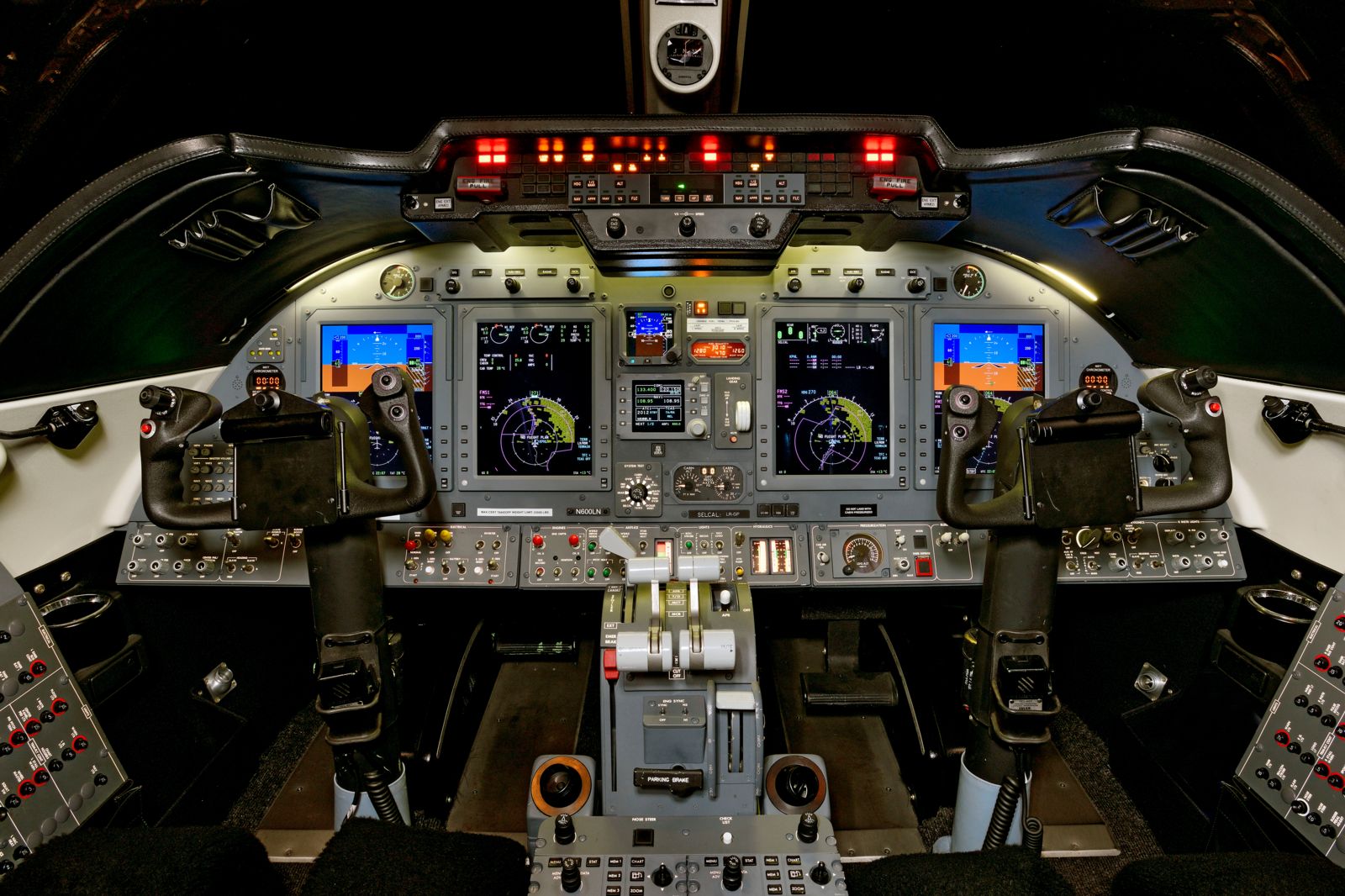
Mirabel Pictures operates as a specialized photography agency focused on commercial, editorial, and fine-art visual production. Founded to push the boundaries of conventional image-making, the agency pairs emerging talent with brands and publications seeking distinct storytelling through the lens. Instead of relying on standardized stock imagery or routine production formulas, the agency emphasizes dynamic lighting, raw environmental context, and narrative depth across every frame.
Understanding what sets professional visual agencies apart helps brands and creators evaluate quality when commissioning work. This guide breaks down the core elements of Mirabel Pictures' approach, how commercial and fine-art photography intersect, and practical criteria for selecting a high-end photography partner for your next project.
The Core Philosophy Behind Mirabel Pictures
High-end photography relies on more than advanced camera gear or high-megapixel sensors. The agency's methodology centers on intentional framing, natural luminance, and emotional resonance.
- Narrative-Driven Composition: Every shoot is treated as a visual story rather than a static record of a subject.
- Talent Curation: The agency actively identifies photographers who bring unconventional perspectives, blending documentary grit with polished commercial execution.
- Environmental Authenticity: Rather than relying heavily on artificial studio constructs, projects often capture subjects within raw, unscripted environments—from remote landscapes to urban settings.
Commercial vs. Fine-Art Photography: Bridging the Gap
Commercial photography prioritizes brand alignment, product appeal, and clear communication with target audiences. Fine-art photography focuses on emotional evocation, artistic expression, and conceptual depth. Mirabel Pictures bridges these two disciplines by applying gallery-level standards to commercial assignments.
When commercial imagery incorporates fine-art techniques, it achieves several distinct advantages:
- Higher Engagement: Consumers scroll past sterile corporate stock images, but they pause for striking, moody, or unexpected compositions.
- Brand Differentiation: Unique color grading and shadow work establish an unmistakable visual identity that competitors cannot easily replicate.
- Enduring Appeal: Artful compositions age better than trend-chasing digital graphics, protecting your marketing asset investments over time.
Evaluating a Professional Photography Agency
Choosing the right production partner requires looking beyond portfolio highlights and assessing technical and creative capabilities. Keep these practical factors in mind when reviewing agencies:
- Portfolio Consistency: Look for a cohesive artistic voice across multiple projects, not just one or two standout viral shots.
- Lighting Mastery: Review how the agency handles difficult lighting conditions, such as harsh midday sun, low-light interiors, or unpredictable outdoor environments.
- Post-Production Philosophy: Clarify whether their editing style enhances the natural scene or over-processes the image with heavy digital alterations.
- Collaborative Process: Ensure the agency understands your brand guidelines while retaining the creative freedom necessary to capture authentic moments.
Common Mistakes in Commercial Photography Production
Even well-funded projects often fall short due to predictable execution errors. Avoiding these pitfalls ensures your visual content delivers maximum impact:
- Over-Styling the Subject: Staging scenes until they look artificial kills the viewer's emotional connection. Aim for curated realism instead.
- Ignoring Platform Specs: Failing to plan for different aspect ratios across web, print, and social media often results in poorly cropped focal points.
- Neglecting Pacing and Variety: Relying solely on close-ups or wide shots leaves gaps in the narrative arc. A balanced shoot includes wide establishing shots, medium action frames, and tight detail shots.
Frequently Asked Questions
What types of projects do agencies like Mirabel Pictures typically handle?
Agencies in this tier generally manage high-end commercial campaigns, editorial features for magazines, brand documentaries, and fine-art exhibitions.
How do I prepare my team for a professional photoshoot?
Create a clear mood board, define core brand messaging, and establish a shot list with your photographer beforehand while remaining flexible enough to capture spontaneous moments on set.
What should I look for in a photographer's portfolio?
Look for consistency in lighting technique, emotional depth in portraiture, and technical precision in high-contrast environments. Avoid portfolios that rely heavily on trendy filters rather than strong composition.
How does editorial photography differ from commercial photography?
Editorial photography tells a story or illustrates an article with a journalistic approach, while commercial photography is designed explicitly to sell a product, service, or brand identity.



