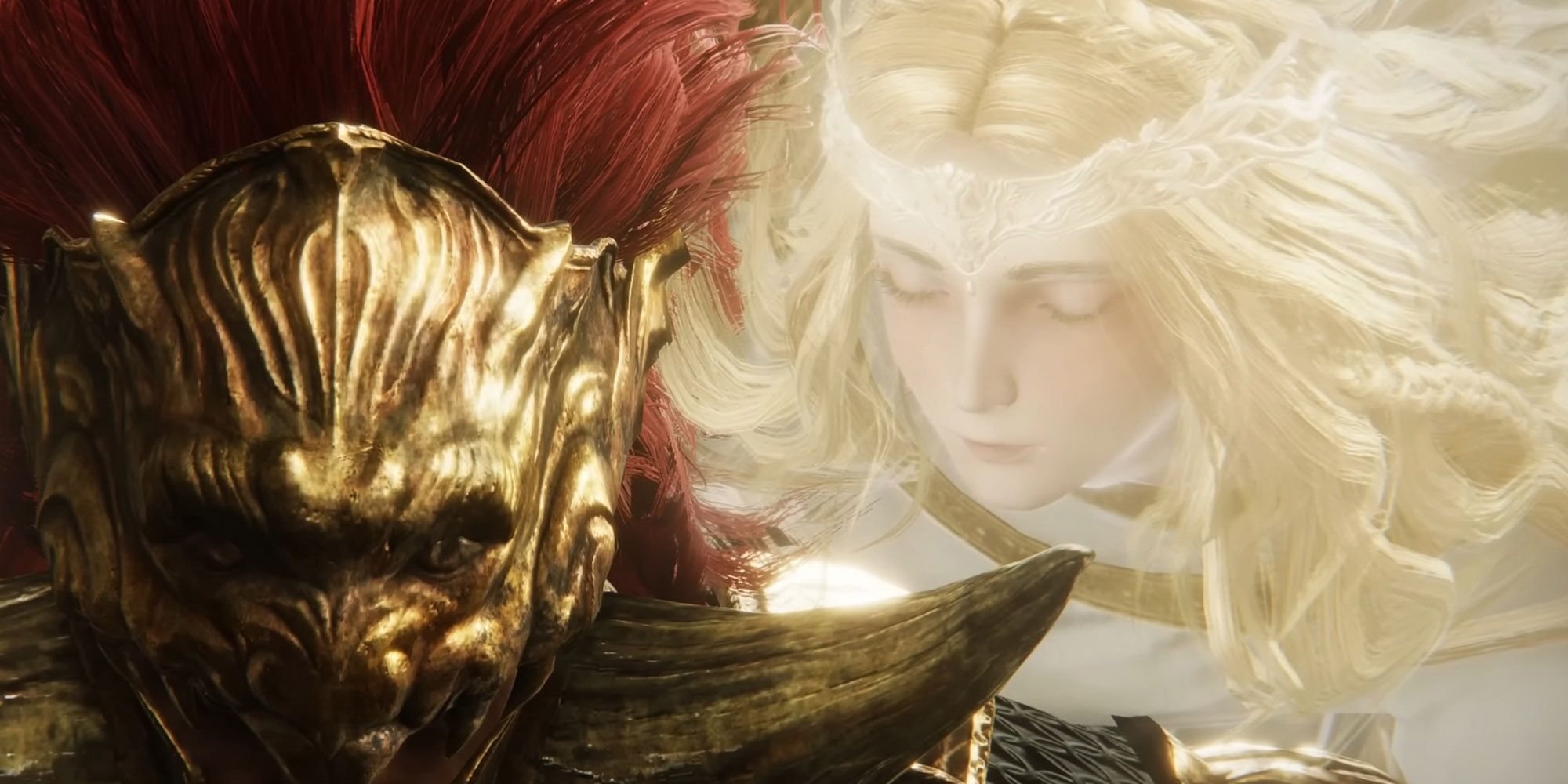
When players dive deep into Elden Ring and its expansion Shadow of the Erdtree, one character consistently sparks internet debates: Miquella the Kind. Between soft facial features, flowing blonde hair, and an alternate persona tied to sleep, questions about Miquella's identity surface everywhere. Let's clear the confusion right away: Miquella is biologically and canonically male, referenced consistently by his twin sister Malenia as her "dear brother".
However, the confusion isn't entirely baseless. FromSoftware weaves a complex web of dual identities, biological curses, and mythological influences that make Miquella's physical form far more intricate than a simple male/female binary. Understanding why this debate persists requires looking closely at his eternal curse, his connection to St. Trina, and how divine biology operates in the Lands Between.
The Roots of the Confusion: Eternal Youth and Androgyny
Miquella's physical appearance is the primary driver behind player speculation. Born alongside his twin Malenia to Queen Marika and Radagon—who are famously two halves of a single god—Miquella was cursed from birth.
- The Curse of Unaging: Miquella was afflicted with the curse of eternal childhood. He is locked into the small, delicate body of a young boy with soft, unblemished features and long hair.
- Classical Mythological Tropes: Japanese dark fantasy and the works of Hidetaka Miyazaki frequently draw on androgynous, angelic archetypes. Figures who transcend standard mortal limitations often blur traditional gender presentation.
- Misinterpretations of Dialogue: Because text in Elden Ring relies heavily on translation from Japanese—where grammatical gender pronouns function differently—some players initially misread vague descriptions before looking at explicit familial titles.
Malenia, St. Trina's followers, and item descriptions repeatedly use male pronouns ("he/him") and refer to him as a brother and son. There is no ambiguity in the game text regarding his biological sex; Miquella is a male demigod. Yet, his physical presentation intentionally evokes an ethereal, gender-neutral aesthetic that mirrors his mother-father's divine nature.
St. Trina: The Split Identity and Alternate Persona
The second major layer of the gender debate involves St. Trina, the mysterious figure associated with sleep, lilies, and dreams. For a long time in the base game, item descriptions noted that many people whispered about who St. Trina actually was, with some youth and villagers viewing St. Trina as a young woman, while others saw a young man.
The Shadow of the Erdtree expansion definitively answers this mystery: St. Trina is Miquella.
Much like Queen Marika and Radagon share a single body while maintaining distinct identities, Miquella and St. Trina share an intrinsic link. However, Miquella takes this divine division a step further. On his path to shedding his mortal limitations to ascend to godhood, Miquella literally physicalizes and discards parts of his being. At the Stone Coffin Fissure, he abandons his love and compassion, which manifests as St. Trina.
When players finally encounter St. Trina deep in the DLC map, she exists as a separate, drooping entity in a floral abyss. Because St. Trina's worshipers historically perceived her with feminine iconography, and because Miquella's alternate self embodies his gentler, softer attributes, the persona of St. Trina leans heavily into traditional feminine association within the lore, even though she originates from a male demigod.
Parallels to Queen Marika and Divine Fissionism
To truly grasp how Miquella's identity works, you have to look at the genetic and divine mechanics of the Golden Order. The gods of Elden Ring do not play by mortal biological rules.
Queen Marika <---> Radagon (Two halves, one single divine body)
Miquella    <---> St. Trina (Linked consciousness, later physically severed)
Marika and Radagon proved that a single divine entity can house two distinct personas representing opposing forces (radically shifting physical presentation and gender characteristics in the process). Miquella mirrors this trait, but instead of sharing a single chassis indefinitely, Miquella actively excises pieces of his soul and flesh.
By discarding his love (St. Trina), his doubt, and his physical vessel, Miquella attempts to purge everything human or merciful from his path to absolute godhood. This makes the discussion around his gender less about modern identity labels and more about ancient, high-fantasy divinity where higher beings are composite, fluid, and capable of division.
Common Misconceptions to Avoid
Internet forums are filled with misinformation regarding the lore. Keeping these specific details straight will keep your understanding accurate:
- Misconception: Miquella is secretly a transgender woman.
- Reality: The game never states this. Miquella is canonically male, but utilizes an androgynous appearance and later splits off an aspect of himself (St. Trina) that has historically been viewed through a feminine lens by mortals.
- Misconception: St. Trina is an entirely unrelated person who happened to copy Miquella.
- Reality: Dialogue from NPCs like Thiollier and environmental clues at the Miquella Crosses confirm they are two halves of the exact same soul.
- Misconception: Miquella changed his gender when he entered Mohg's cocoon.
- Reality: Mohg cocooned Miquella to act as a vessel for blood nourishment and future ascension; Miquella's physical form remained that of an unaging male child until he discarded his flesh entirely in the Realm of Shadow.
For more official background on the game's design choices and overarching world, you can explore the Bandai Namco Entertainment Official Website or check out deep dives hosted on the PlayStation Official Site.
Frequently Asked Questions
Is Miquella a boy or a girl in Elden Ring?
Miquella is a male demigod. He is repeatedly referred to as a brother and a son throughout the narrative. His youthful and soft appearance stems from his curse of eternal childhood.
Why do people think Miquella is female?
The confusion stems from two things: his extremely feminine, androgynous character design (long hair, delicate features) and his alter ego, St. Trina, who is associated with sleep and historically perceived with feminine imagery by followers in the Lands Between.
Are Miquella and St. Trina the same person?
Yes. St. Trina is an aspect of Miquella—specifically representing his love and compassion. During his ascension journey in the DLC, Miquella physically casts her away from himself, creating two separate physical entities before her fate intertwines with the player's actions.
Does Miquella change his gender during the Shadow of the Erdtree DLC?
No. Miquella sheds his physical flesh entirely to become a god alongside his promised consort, Radahn, rather than transitioning between genders. His divinity transcends standard physical biology, mirroring how Queen Marika and Radagon operate.



