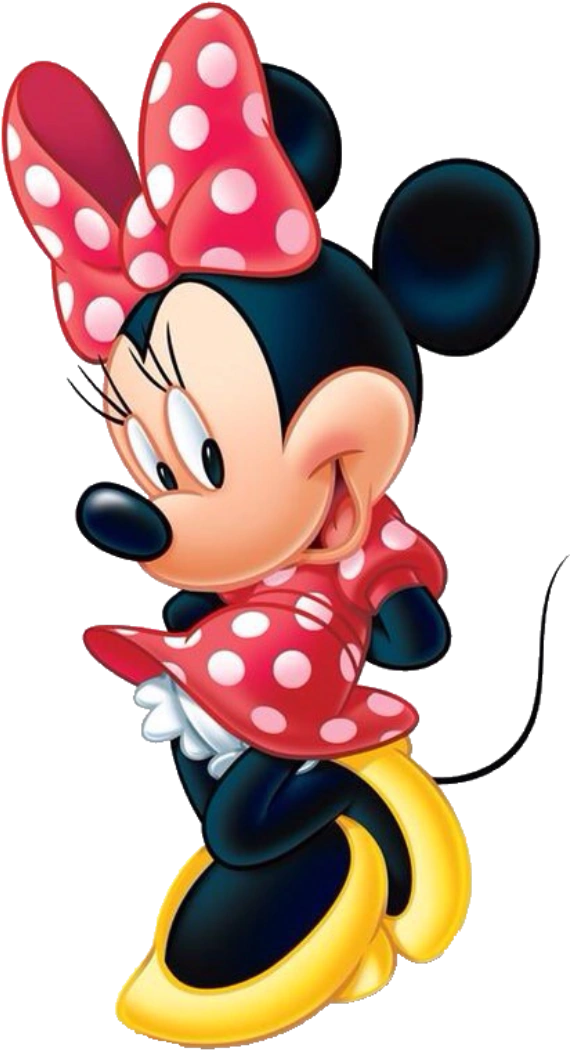
Minnie Mouse stands as one of the most recognizable figures in global animation history, shifting from a 1928 flapper-style cartoon character into an international symbol of fashion and media. Created by Walt Disney and Ub Iwerks, she debuted alongside Mickey Mouse in Steamboat Willie, marking a major turning point for synchronized sound in animation. Rather than remaining a static background companion, her persona and visual design evolved significantly over nearly a century, reflecting changing artistic standards, societal roles, and commercial branding.
Understanding her staying power requires looking past surface-level merchandise and examining how her character design, voice acting, and cultural footprint adapted through distinct eras of entertainment.
Origins and Early Animation Years
The character made her first official appearance in the animated short Steamboat Willie on November 18, 1928, though she was drawn earlier for the unreleased silent short Plane Crazy. In these foundational years, her appearance mirrored the prevailing fashion of the 1920s. She wore a short skirt, cloche-style hat, and oversized heels, sporting large black oval eyes typical of early rubber-hose animation.
Early shorts frequently cast her in distress roles requiring rescue by Mickey Mouse, but early storylines also established her musical talents and independent streak. For example, in Steamboat Willie, she plays a makeshift instrument using a goat and a washboard, setting a playful tone that defined her early cartoon presence.
Color animation introduction in the mid-1930s brought changes to her wardrobe. Because complex patterns like polka dots were difficult to control with early color animation techniques, she initially wore solid-colored skirts and dresses in shades of blue, green, and black.
Visual Evolution and Style Transformations
By the early 1940s, animator Fred Moore spearheaded a major redesign for both Mickey and Minnie. This shift introduced pear-shaped bodies and expressive eyes with pupils, moving away from the simplistic circle-based geometry of the 1920s. Her signature flapper hat was replaced by a prominent bow, and bows were added to her shoes.
Her iconic red dress with white polka dots solidified during the 1980s, specifically after Disney declared 1986 "The Year of Minnie Mouse" across its theme parks. This era standardized the bright, high-contrast aesthetic seen in contemporary merchandise and television specials.
Key design milestones include:
- 1928: Simple flapper dress, cloche hat, no gloves.
- 1930s: Pie-cut eyes and solid-colored skirts to accommodate early color processes.
- 1940s: Introduction of the signature bow, detailed facial features, and softer styling.
- 1980s-Present: Standardization of the red-and-white polka-dot dress, yellow shoes, and prominent white gloves.
Official documentation of these character shifts can be explored via the Walt Disney Family Museum.
Voice Actresses Who Defined the Character
Giving voice to the character required a delicate balance of warmth, mischief, and sweetness. Walt Disney himself provided her voice initially during the late 1920s before handing the role over to professional voice actresses.
Marcellite Garner voiced the character through the 1930s, establishing her vocal cadence during the golden age of black-and-white shorts. Later, Russi Taylor took over the role in 1986, voicing her for over three decades across television series like Mickey Mouse Clubhouse and various film projects. Following Taylor's passing, Kaitlyn Robrock assumed the role in 2019, maintaining the established vocal identity for modern audiences.
Cultural Impact and Global Presence
Beyond theatrical shorts and television, the character transitioned into a global pop culture and fashion icon. Her silhouette, ears, and polka-dot patterns have inspired high-end fashion lines, streetwear collaborations, and museum exhibitions worldwide. In recognition of her cultural longevity, she received a star on the Hollywood Walk of Fame in 2018.
Her presence extends deep into Disney Parks, where meet-and-greets and parades remain central attractions for multi-generational visitors.
Frequently Asked Questions
What is Minnie Mouse's full name?
Her full name is Minerva Mouse, which was revealed in the 1942 comic strip story titled "The Gleam".
When did Minnie Mouse debut?
She made her official debut alongside Mickey Mouse in the animated short film Steamboat Willie on November 18, 1928.
Why did Minnie wear blue instead of red in early cartoons?
Early color animation processes made moving complex patterns like polka dots difficult. Animators opted for solid blue, black, or green skirts during the 1930s before standardized color palettes and printing techniques advanced.
Is Minnie Mouse in the public domain?
Certain early versions of the character, specifically those tied to 1928 silent shorts like Plane Crazy and sound shorts like Steamboat Willie, entered the public domain as their U.S. copyrights expired. However, modern iterations, specific artistic traits, and trademark protections remain controlled by The Walt Disney Company.


