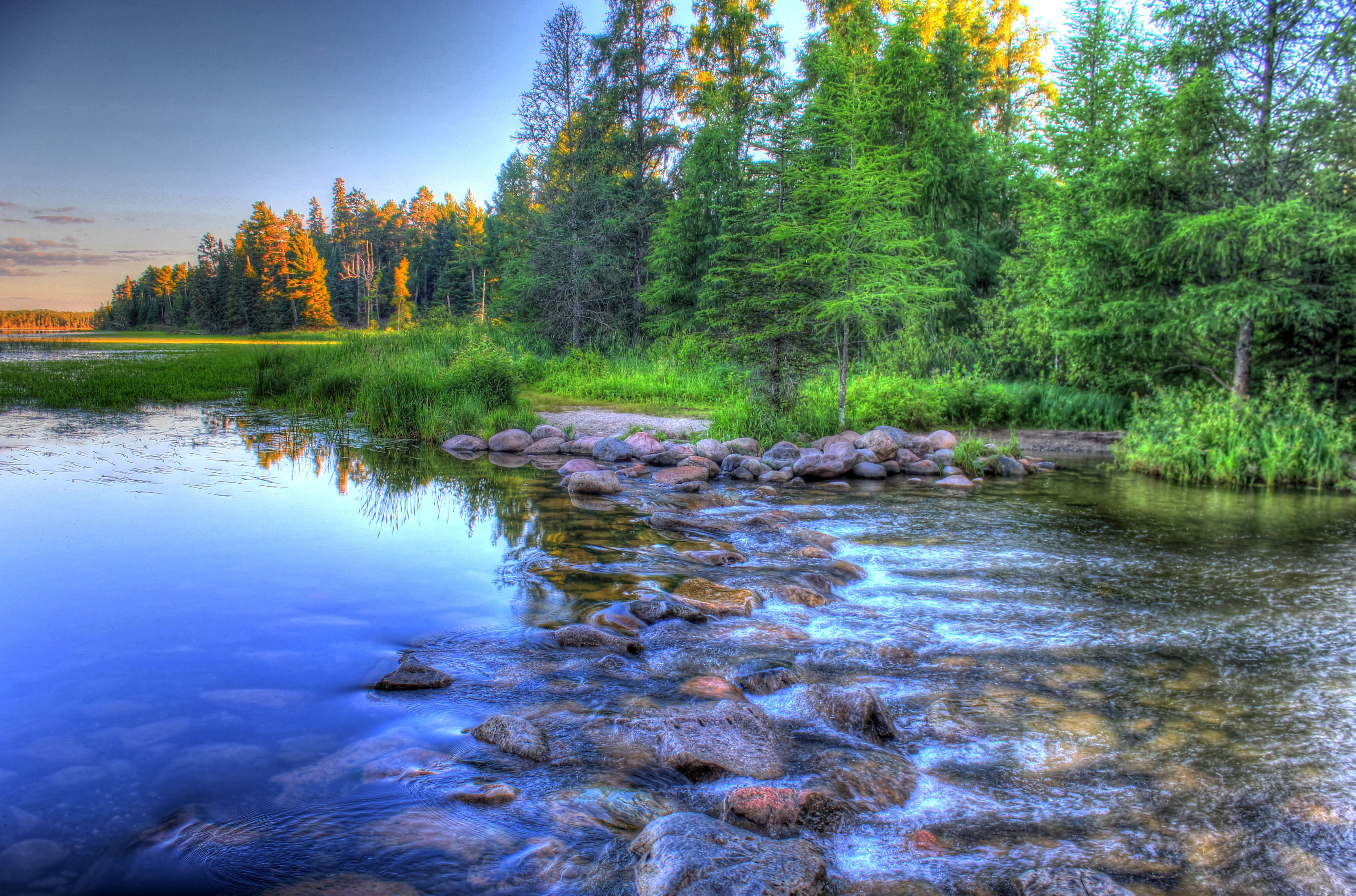
Life in the North Star State doesn't run strictly by digital clocks or standard corporate timetables. Instead, human routines bend to the dramatic push and pull of the environment—from the bitter freeze of deep-winter lakes to the brief, explosive growth of summer. This localized tempo, often called Minnesota time, reflects an ongoing adjustment to a landscape defined by ten thousand lakes, vast pine forests, and freezing northern plains.
Geography dictates daily existence here far more than official time zones do. When winter temperatures drop below zero and snowfall piles high, the pace of commerce slows down, travel requires deliberate patience, and daily life retreats indoors. Conversely, summer unlocks a frantic, joyful urgency to squeeze every drop of daylight out of the season before the chill returns.
The Geography of the Seasons
Minnesota spans several distinct ecological zones, including the western prairies, the northern boreal forest, and the southern agricultural belt. Each region demands a different relationship with the calendar.
- The North Woods: Communities near the Boundary Waters operate on a seasonal tourist and logging clock. Ice-out dates in spring and freeze-up in late autumn dictate when cabins open, when logging trucks roll, and when wilderness guides prepare for expeditions.
- The Twin Cities Metro: Even in urban centers like Minneapolis and Saint Paul, the natural world intrudes on concrete routines. Commute times shift dramatically during the first major blizzard, and city infrastructure relies on winter preparedness strategies that other regions never need to consider.
- The Agricultural Plains: Farmers across western and southern Minnesota track time through crop rotation, planting windows, and harvest deadlines, keeping a foot rooted firmly in ancient agrarian rhythms.
According to data from the Minnesota Department of Natural Resources, freeze and thaw cycles have shifted notably over the past century, forcing local industries and municipalities to adapt their operational timelines.
Cultural Markers Beyond the Clock
Minnesotans measure their years through cultural traditions rooted in the physical environment rather than standard months.
The official start of the walleye fishing opener in May serves as a cultural New Year's Day for hundreds of thousands of residents. Similarly, the Minnesota State Fair, held in the final days of August, marks the psychological end of summer. People don't just look at a watch to see what season it is; they look at the changing canopy of maple and oak trees along the Mississippi River.
This collective alignment creates a strong sense of place. Social gatherings often prioritize context over strict punctuality. Telling someone you'll arrive "after the game" or "when the roads clear" shows a shared understanding that safety and environmental conditions outweigh rigid schedules.
Common Challenges of Adapting to the Northern Rhythm
Living in sync with a harsh northern environment brings distinct hurdles that catch newcomers off guard.
- Underestimating Winter Transit: Punctuality breaks down when a foot of fresh snow hits the interstate. Ignoring road condition warnings leads to widespread gridlock.
- Seasonal Fatigue: The rapid shift from long, sun-drenched summer days to dark winter afternoons at 4:30 PM creates severe biological disruption. Many residents combat this by investing in specialized lighting and keeping active outdoors year-round.
- Managing Infrastructure Strain: Frozen pipes, delayed construction seasons, and rapid spring snowmelt flooding require constant adjustments from local governments and homeowners alike.
Frequently Asked Questions
What is Minnesota time?
It is a cultural and environmental rhythm where daily life, social habits, and productivity are shaped by extreme seasonal shifts and geographical landscapes rather than just clock hours.
How do winters affect daily routines in Minnesota?
Shorter daylight hours and heavy snowfall force a slower, more deliberate indoor pace. Commutes take longer, and community events often shift to indoor venues.
What are the main seasonal milestones in the state?
Key milestones include the spring ice-out on northern lakes, the fishing opener in May, the peak of fall foliage in October, and the Minnesota State Fair at the end of summer.
Is Minnesota time different in rural versus urban areas?
Rural time is heavily dictated by agriculture, forestry, and natural daylight, while urban time blends corporate schedules with weather-driven adaptations.



