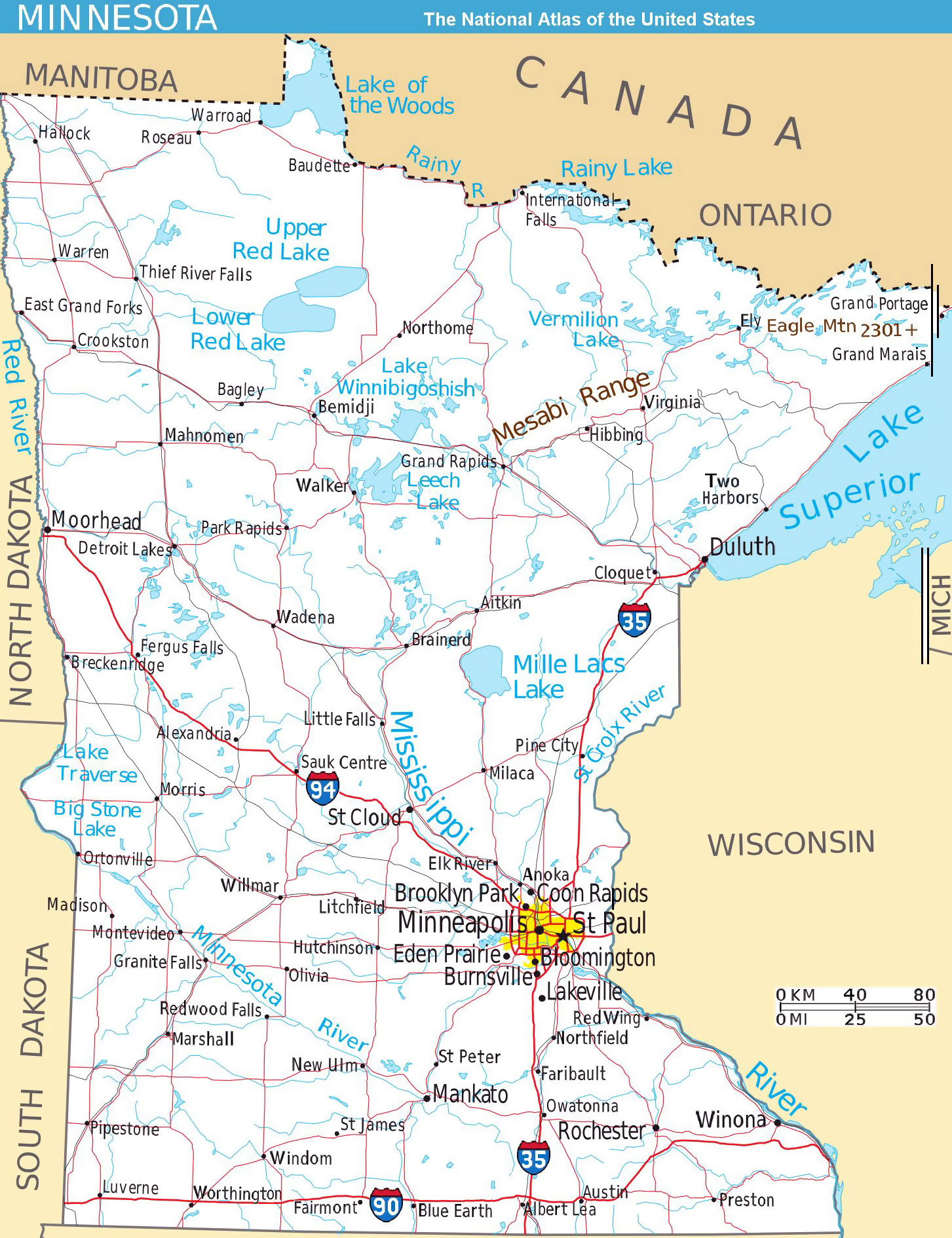
Minnesota sports culture runs much deeper than a simple weekend pastime. It's a defining pillar of local identity that endures through freezing winters, heartbreaking playoff losses, and generations of loyal fandom. From the roar of the crowd at U.S. Bank Stadium to the tight-knit hockey communities across the Iron Range, the state's major franchises reflect a unique mix of perseverance, community pride, and civic loyalty.
Four major professional teams anchor this athletic landscape: the Minnesota Vikings in the NFL, the Minnesota Twins in MLB, the Minnesota Wild in the NHL, and the Minnesota Timberwolves in the NBA. Examining how these franchises operate reveals a lot about the character of the region. They aren't just entertainment options; they're emotional anchors for millions of residents.
The Minnesota Vikings and Gridiron Heartbreak
Few teams capture the complex emotional roller coaster of local fandom quite like the Minnesota Vikings. Founded as an expansion franchise in 1961, the team quickly established itself as a powerhouse during the late 1960s and 1970s. Led by legendary coach Bud Grant and a ferocious defensive line known as the Purple People Eaters, the Vikings reached four Super Bowls in eight years.
Winning none of those championship games forged a distinct culture of resilient heartbreak. Fans don't abandon the team after tough losses; instead, they lean into the shared suffering with a distinct brand of dark humor and unwavering hope. Tailgating outside the stadium in sub-zero January weather isn't viewed as a chore—it's a badge of honor.
Key elements defining the Vikings' place in the local identity include:
- The Purple and Gold Tradition: A visual identity that blankets the Twin Cities every autumn Sunday.
- The Horn: The iconic Gjallarhorn blast before home games that rallies tens of thousands of fans into unison.
- Generational Bonding: Passing season tickets down through families as if they were real estate deeds.
Minnesota Twins: Summer Baseball and World Series Glory
When the snow finally melts, attention shifts toward the diamond. The Minnesota Twins arrived via relocation from Washington D.C. in 1961, instantly capturing the state's heart with iconic sluggers like Harmon Killebrew. Unlike the gridiron heartache of the Vikings, the Twins provided the state with its sweetest championship moments.
The 1987 and 1991 World Series runs cemented baseball as an essential part of the regional identity. The 1991 Game 7 victory—featuring Kirby Puckett's legendary home run and Jack Morris pitching a 10-inning shutout—remains a touchstone moment in local sports history.
Moving from the Metrodome to the open-air Target Field in 2010 revitalized the summer baseball experience. Eating a local bratwurst while watching a twilight game downtown connects modern fans to a century-old regional baseball tradition that includes storied minor league predecessors like the Minneapolis Millers.
Minnesota Wild and the State of Hockey Passion
You can't discuss local athletics without addressing hockey. While the Minnesota North Stars packed up and moved to Texas in 1993, leaving a massive void, the hockey spirit never died. High school tournaments routinely sell out arenas, proving that the sport is woven into the social fabric of every small town and suburb.
The launch of the Minnesota Wild in 2000 brought the NHL back to the State of Hockey. Playing out of the Xcel Energy Center in Saint Paul, the Wild cultivated an intensely passionate fan base known for the "State of Hockey" mantra.
- The Goal Chant: The unmistakable roar after every home goal shakes the arena rafters.
- Grassroots Roots: From frozen backyard rinks to packed municipal arenas, players climb through a uniquely robust local development system.
- Civic Identity: Supporting the Wild connects fans to the deep-rooted Canadian border culture that values speed, grit, and teamwork above individual stardom.
Minnesota Timberwolves and Modern Basketball Ascendancy
Rounding out the major professional quartet, the Minnesota Timberwolves represent the youthful, energetic evolution of the state's sports scene. Founded in 1989, the franchise endured long playoff droughts before finding its footing with generational talents like Kevin Garnett, and more recently, the explosive duo of Anthony Edwards and Karl-Anthony Towns.
Basketball in the area actually traces back much further than the modern NBA era. The Minneapolis Lakers won multiple championships in the late 1940s and 1950s as the league's first true dynasty before moving to Los Angeles.
Today, the Timberwolves energize downtown Minneapolis. Their recent playoff pushes transformed the Target Center into one of the loudest venues in the league, proving that the state is just as eager to embrace hardwood glory as it is gridiron or ice success.
Common Misconceptions About Local Sports Culture
Outsiders often misunderstand why fans stay fiercely loyal despite long championship droughts outside of the Twins' titles.
- Misconception 1: Fans accept losing as the permanent norm. Reality: The frustration is real, but loyalty is rooted in community connection rather than just trophy counts. Winning matters, but showing up through the hard times defines local character.
- Misconception 2: Hockey is only popular in urban centers. Reality: The hockey culture thrives equally—if not more—in rural outposts and Iron Range towns where youth rinks serve as community hubs.
- Misconception 3: These teams exist in isolation. Reality: The schedules of the Vikings, Twins, Wild, and Timberwolves overlap in ways that dictate the psychological rhythm of the entire calendar year.
Frequently Asked Questions
Which Minnesota team was the first to win a major professional championship?
The Minneapolis Lakers won multiple titles in the NBL and early NBA starting in the late 1940s, long before the modern era of the Vikings or Timberwolves.
Where do the Minnesota Wild play their home games?
The Wild play at the Xcel Energy Center located in downtown Saint Paul, which is widely recognized as one of the best hockey environments in North America.
How did the Minnesota Twins get their name?
The name honors the "Twin Cities" metropolitan area consisting of Minneapolis and Saint Paul. The franchise was originally the Washington Senators before relocating to Minnesota in 1961.
Why is Minnesota called the State of Hockey?
The moniker stems from the massive participation in youth, high school, and collegiate hockey across the region, combined with harsh winters that historically turned lakes and backyard rinks into natural playgrounds.



