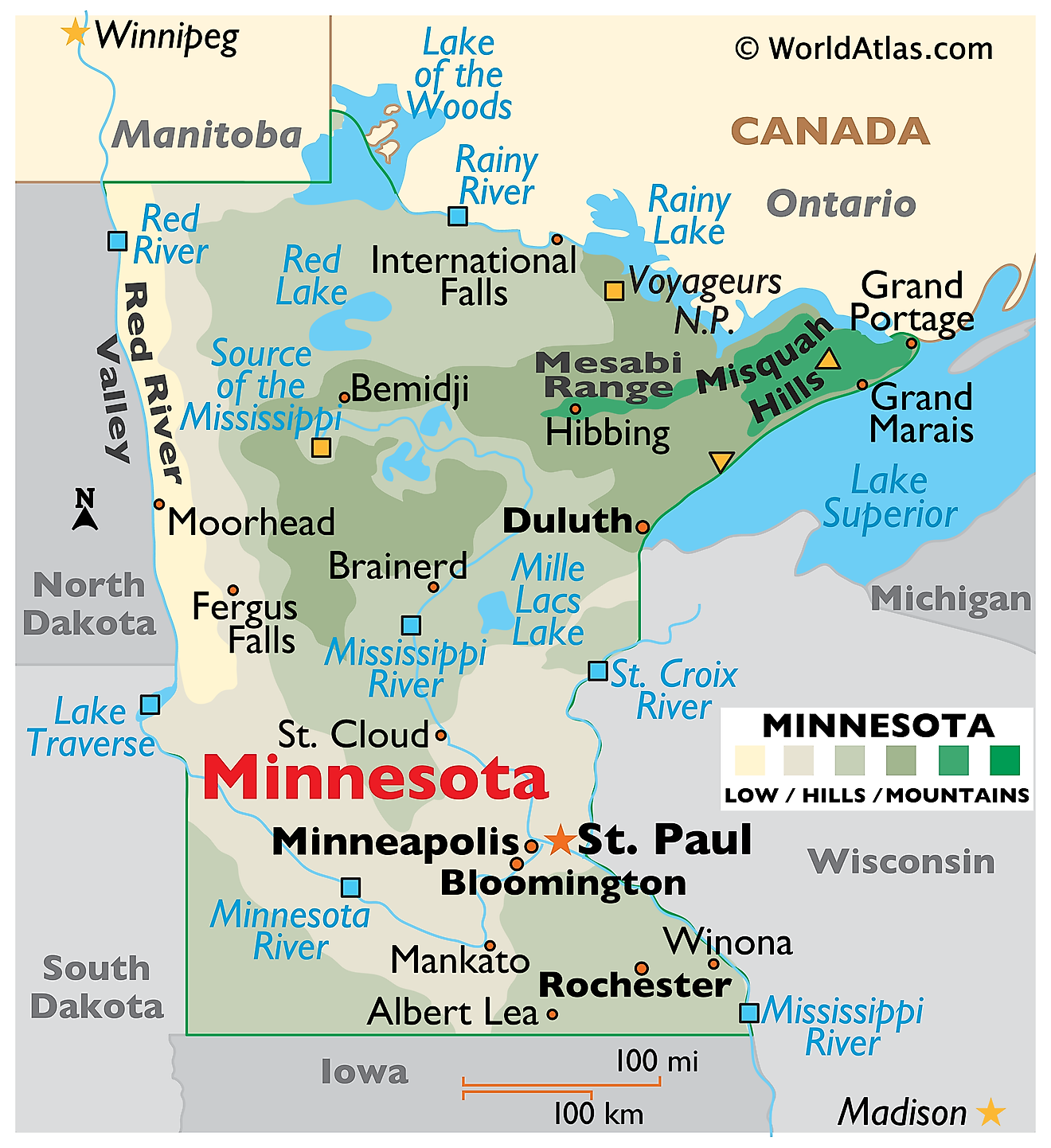
The Minnesota Judicial Branch operates as an independent co-equal branch of state government, drawing its authority directly from the Minnesota Constitution. It manages millions of cases annually across eighty-seven counties, utilizing a structured three-tiered hierarchy. Understanding how these courts function helps citizens navigate everything from routine civil disputes to high-stakes constitutional appeals.
The system is split into trial-level district courts, an intermediate court of appeals, and the state supreme court. Each tier holds distinct jurisdiction, specific evidentiary rules, and well-defined paths for handling legal grievances.
The Three-Tiered Structure of Minnesota Courts
Minnesota's state court system relies on a vertical hierarchy. Cases generally start at the bottom and move upward only when legal errors require correction or uniform precedents must be set.
Minnesota District Courts (Trial Level)
District courts act as the workhorses of the state's legal framework. Minnesota divides its eighty-seven counties into ten distinct judicial districts for administrative and electoral purposes. More reporting by Bloomberg delves into related views on the subject.
District courts possess general jurisdiction, meaning they hear the vast majority of initial legal actions. These include:
- Criminal matters, ranging from minor ordinance violations to major felonies.
- Civil lawsuits involving personal injury, property damage, and contract breaches.
- Family law disputes, including divorce, child custody, and support.
- Probate and mental health proceedings, managing estates, guardianships, and commitments.
- Juvenile cases addressing delinquency, dependency, and protective services.
When a trial occurs here, a judge or jury evaluates witness testimony and physical evidence to establish facts before applying relevant statutes.
Minnesota Court of Appeals
Established by constitutional amendment and statute in 1983, the intermediate Court of Appeals relieves the state's highest court of heavy caseload burdens. Nineteen judges sit on this bench, typically operating in rotating three-judge panels that travel across regional courthouses to hear oral arguments.
This court does not hold trials, hear new witnesses, or accept fresh evidence. Instead, it reviews trial records for legal errors, procedural mistakes, or insufficient evidence. Litigants unsatisfied with a trial court outcome use this as their primary avenue for appeal.
Minnesota Supreme Court
As the state's court of last resort, the Minnesota Supreme Court consists of a chief justice and six associate justices. It holds discretionary power over whether to review decisions made by the Court of Appeals.
However, it exercises mandatory jurisdiction over specific matter types, such as first-degree murder convictions, tax court appeals, workers' compensation rulings, and legislative election contests. Beyond resolving specific litigation, the Supreme Court regulates the practice of law, disciplines attorneys and judges, and establishes procedural rules for every lower court in the state.
Administrative Oversight and Judicial Selection
Judges in Minnesota don't receive lifetime appointments. Under Article VI of the state constitution, all judges face election every six years.
While these positions appear on nonpartisan ballots, vacancies occurring mid-term are filled via gubernatorial appointment following recommendations from the Commission on Judicial Selection. This hybrid approach aims to balance public accountability with merit-based selection.
Administrative leadership flows from the Chief Justice through the State Court Administrator's Office (SCAO). This office handles budgeting, technological integration, human resources, and facilities management for courthouses statewide, ensuring uniform operational standards across all ten judicial districts.
Accessing Court Records and Public Services
Modernizing public access has transformed how residents interact with the judicial branch. The Minnesota Judicial Branch portal provides digital tools for tracking litigation.
- MCRO (Minnesota Court Records Online): Allows public viewing of public case histories, party names, scheduled hearings, and filed documents across district courts.
- Self-Help Centers: Physical and online desks offering approved court forms, instructions, and guidance for individuals representing themselves without an attorney.
- E-File and E-Serve: Mandatory digital filing systems utilized by licensed attorneys and registered users to submit documents securely.
Frequently Asked Questions
What is the difference between state and federal courts in Minnesota?
State courts handle disputes arising under Minnesota statutes and the state constitution, covering most family, traffic, and local criminal matters. Federal courts—such as the United States District Court for the District of Minnesota—handle violations of federal laws, bankruptcy, and interstate controversies meeting specific financial thresholds.
Can I represent myself in a Minnesota district court?
Yes. Known as proceeding pro se, individuals have the legal right to represent themselves in many civil, family, and minor housing matters. However, pro se litigants must adhere strictly to the same procedural rules and evidence standards as licensed attorneys.
How are judges removed or disciplined in Minnesota?
The Board on Judicial Standards investigates complaints regarding judicial misconduct or disability. If warranted, the board recommends disciplinary action, suspension, or removal to the Supreme Court, or recommends legislative impeachment.
Do specialized problem-solving courts exist within the system?
Yes. Minnesota operates numerous problem-solving courts within its district framework, including drug courts, mental health courts, and domestic violence courts. These specialized dockets use intensive judicial monitoring and treatment-oriented compliance to reduce recidivism among nonviolent offenders.



