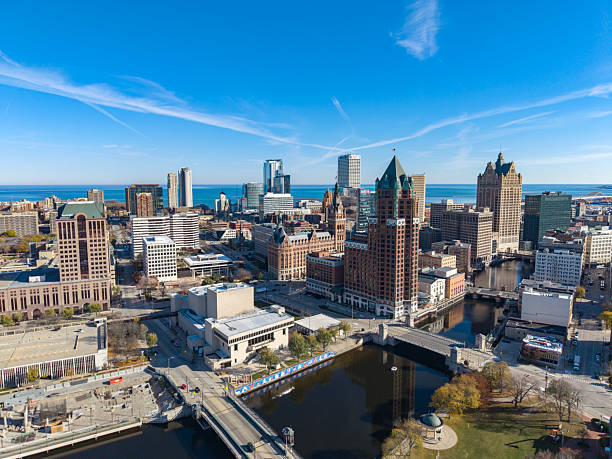
Navigating Milwaukee winter road conditions requires knowing how the city handles snow and ice before a flake even falls. When winter weather hits Cream City, the Department of Public Works deploys salt trucks and plows across hundreds of miles of arterial and residential streets. Understanding these operational protocols helps drivers avoid accidents, costly parking tickets, and unexpected delays.
Staying safe on Milwaukee roads during freezing weather means tracking live plow updates, obeying winter parking rules, and adapting your driving habits to hard-packed snow and ice. The city's priority-based clearing system targets main transit routes first, leaving residential streets to be treated once heavy snowfall subsides.
How Milwaukee Manages Winter Road Operations
The Milwaukee Department of Public Works follows a structured plan to restore traction to local streets. Operations often begin with anti-icing protocols, where trucks spray saltwater brine onto pavement. This liquid application prevents snow and ice from bonding tightly to the road surface, making subsequent plowing much more effective and reducing overall salt usage.
Salt trucks operate around the clock during active storms. Main arteries, bus routes, and steep hills receive immediate attention, with crews aiming to restore bare pavement within twelve hours after a storm ends. Residential streets, which carry lower traffic volumes, are treated next. Because residential traffic helps activate salt, hard-packed snow may remain on these side streets longer until vehicle movement and warmer temperatures create slush.
Understanding Wisconsin Highway Conditions
For travel beyond city limits or across major state corridors, drivers rely on state resources. The Wisconsin Department of Transportation provides real-time travel maps, radar overlays, and incident reports through its traveler information system. Checking these updates before heading out onto I-94 or I-43 helps commuters anticipate slippery bridge decks and reduced visibility zones.
Milwaukee Winter Parking Rules and Snow Emergencies
Parked cars present one of the biggest hurdles for snowplow operators trying to clear neighborhood streets to the curb. Milwaukee enforces strict seasonal parking laws to keep equipment moving.
- December 1 to March 1 Restrictions: Overnight parking is banned on through highways and major bus routes from 2:00 AM to 6:00 AM. Alternate-side night parking rules apply to most other residential streets.
- Snow Emergency Declarations: When accumulation is severe, the city declares a formal snow emergency. During this time, special parking restrictions go into effect citywide from 10:00 PM to 6:00 AM.
- Alternative Lots: If you need a place to leave your car during a snow emergency, the city opens designated Milwaukee Public Schools parking lots and playgrounds for temporary overnight storage.
Failing to move your car during a snow emergency leads to steep fines and towing. Always check local alerts or sign up for direct text notifications through the City of Milwaukee Official Website before a storm arrives.
Essential Winter Driving Strategies for Cream City
Driving on untreated or slushy pavement demands patience and a complete shift in driving behavior. Posted speed limits are designed for dry summer asphalt, not winter hazards.
- Increase Following Distance: Leave at least eight to ten seconds of space between your vehicle and the car ahead to account for longer stopping distances on ice.
- Give Plows Room: Stay at least 200 feet behind active snowplows. Never attempt to squeeze past a working plow truck, as the road conditions ahead of the blade are almost always worse.
- Avoid Cruise Control: Using cruise control in wintry weather prevents you from instantly reacting to sudden patches of black ice or sliding hazards.
- Clear Your Entire Car: Clear all snow and ice from your hood, roof, windows, and headlights before driving. Flying sheets of ice pose a serious danger to vehicles behind you on the highway.
Frequently Asked Questions
Why do residential streets take longer to plow than main roads?
Main arterials and bus routes carry high volumes of traffic and emergency vehicles, making them top priorities for public safety. Residential streets have lower traffic counts and are treated systematically after primary routes are cleared to standard.
What should I do if my car gets stuck in snow?
Straighten your wheels and clear packed snow away from all four tires. Sprinkle sand, kitty litter, or traction mats directly in front of and behind your drive wheels, then rock the vehicle gently between drive and reverse without spinning your tires.
Where can I check live updates on Milwaukee street conditions?
You can monitor local snow operations, garbage collection delays, and parking status updates directly through the Milwaukee DPW Snow Operations Portal.
Are garbage collection schedules affected by winter storms?
Yes. Heavy snow accumulations can disrupt standard trash and recycling pickups. When this happens, sanitation trucks equipped with plows assist with clearing operations first, and collection resumes as soon as streets are passable.


