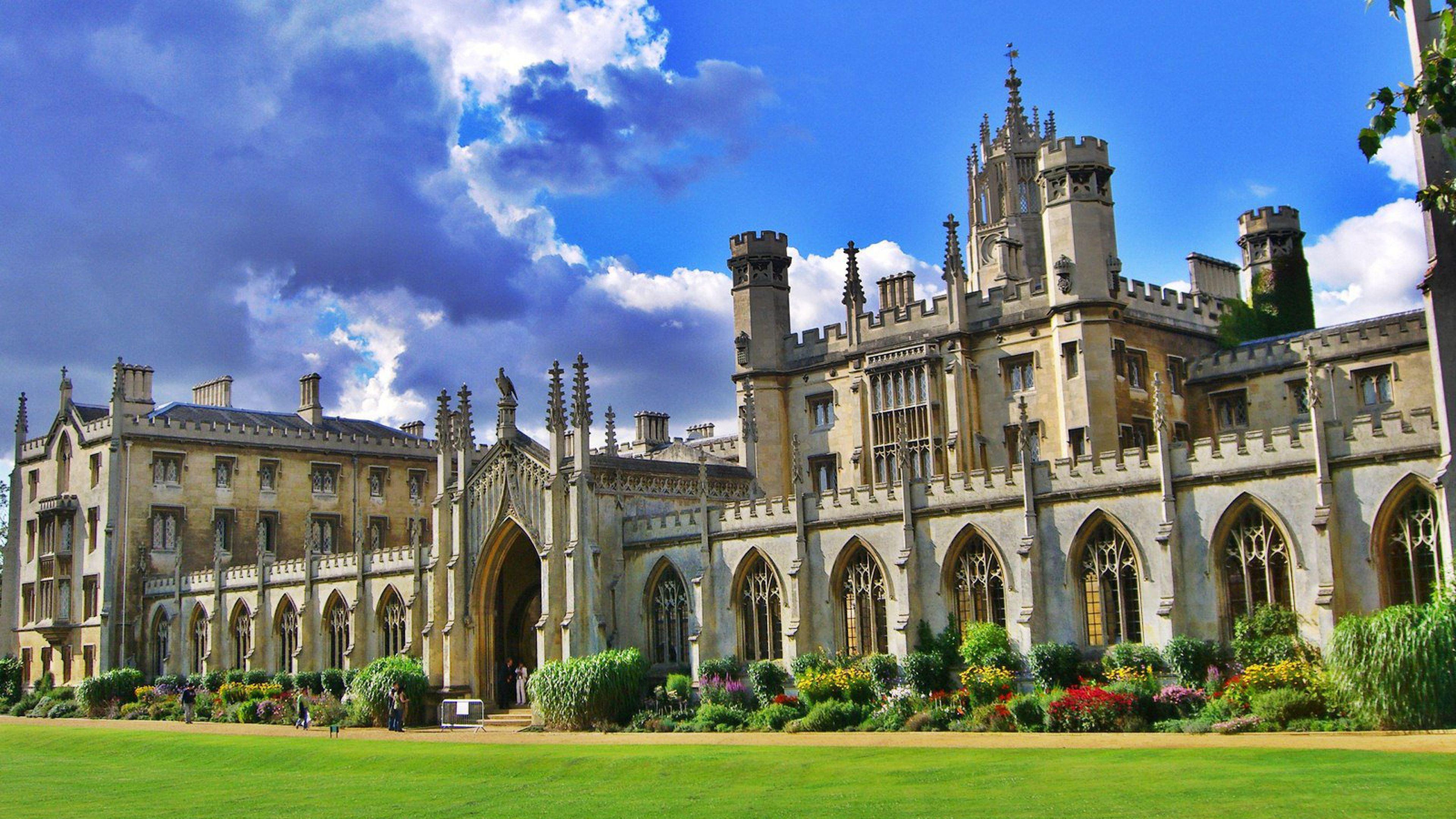
The University of Miami Leonard M. Miller School of Medicine stands as a prominent academic health center in South Florida. Located within Miami's Health District, it combines patient care, medical education, and biomedical research. If you're exploring its curriculum, residency options, or research impact, you'll find that it operates at the intersection of clinical excellence and community service.
Founded in 1952 as the University of Miami School of Medicine, the institution has grown significantly. It educates hundreds of medical students, graduate students, and post-doctoral fellows every year. Beyond its classrooms, it partners with major health systems like UHealth – University of Miami Health System and Jackson Health System to deliver care across the region.
Academic Programs and Curriculum Structure
The Miller School offers multiple educational tracks designed for future clinicians, researchers, and public health professionals. The flagship MD program forms the core of its educational offerings, but the institution also features robust graduate programs through its Dr. John T. Macdonald Foundation Department of Human Genetics and various biomedical PhD tracks.
The medical school curriculum emphasizes early clinical exposure. Students don't spend years stuck behind textbook pages before seeing patients; instead, they step into simulation labs and clinical environments early in their first year.
- Phase 1: Pre-clerkship foundation, focusing on basic medical sciences and clinical reasoning.
- Phase 2: Core clinical clerkships, providing hands-on hospital rotations across internal medicine, surgery, pediatrics, and more.
- Phase 3: Advanced clinical practice, allowing senior students to complete sub-internships and away rotations tailored to their residency goals.
For those pursuing dual degrees, the school provides competitive options like the MD/PhD program, MD/MPH (Master of Public Health), and MD/MBA. These combined programs prepare graduates for leadership roles where clinical practice meets healthcare administration or academic research.
Pioneering Research and Major Centers
Research funding at the Miller School reaches hundreds of millions of dollars annually, supporting labs that investigate everything from neurodegenerative disorders to cancer immunotherapy. Investigators here benefit from Miami's diverse patient demographics, which provides unique epidemiological data relevant to both local and global health challenges.
Key research powerhouses include:
- The Interdisciplinary Stem Cell Institute (ISCI): Led by Dr. Joshua Hare, this institute investigates regenerative medicine approaches for cardiovascular disease, neurological disorders, and diabetes.
- The Sylvester Comprehensive Cancer Center: As the only Cancer Center of Excellence in South Florida, Sylvester brings together laboratory scientists and clinical oncologists to deliver personalized cancer therapies and run early-phase clinical trials.
- The John P. Hussman Institute for Human Genomics: This center maps genetic variants linked to complex conditions like Alzheimer's disease and Parkinson's disease, contributing to global genetic databases.
These entities don't just publish papers—they translate laboratory discoveries into bedside treatments that patients can access locally. You can learn more about their ongoing studies directly on the University of Miami Miller School of Medicine portal.
Admissions Requirements and Competitiveness
Getting into the Miller School of Medicine requires strong academic credentials and a demonstrated commitment to service. Like most U.S. medical schools, admissions committees look closely at your undergraduate GPA, Science (BCPM) GPA, and MCAT scores.
However, numbers alone won't secure an acceptance letter. The admissions team evaluates applicants based on core competencies such as:
- Clinical experience: Meaningful hours spent shadowing physicians or working in direct patient care roles.
- Community service: A proven track record of volunteering, particularly with underserved or vulnerable populations.
- Research aptitude: Experience working in a laboratory or clinical research setting, showing an understanding of the scientific method.
- Interpersonal skills: Demonstrated empathy, teamwork, and communication abilities during multiple mini-interviews (MMIs) or traditional interviews.
In-state applicants often find slightly more favorable acceptance statistics due to the school's mission to serve Florida residents, but the applicant pool remains national and highly competitive.
Clinical Affiliations and Training Grounds
A medical school is only as strong as its clinical network. The Miller School anchors its training through UHealth, which includes Sylvester Comprehensive Cancer Center, Bascom Palmer Eye Institute (consistently ranked as the top eye hospital in the nation), and the University of Miami Hospital and Clinics.
Additionally, students train extensively at Jackson Memorial Hospital, one of the largest public hospitals in the United States and a premier level-one trauma center. This partnership exposes trainees to high-acuity cases, rare pathologies, and diverse socioeconomic populations. Working at Jackson ensures that graduates are comfortable handling high-pressure emergency scenarios and complex multidisciplinary cases from day one of residency.
Frequently Asked Questions
What is the average MCAT score for accepted students at the Miller School?
While admissions standards shift slightly each year, accepted applicants typically score around the 80th percentile or higher on the MCAT, with competitive GPAs generally sitting above 3.7.
Does the Miller School accept international students?
Yes, the Miller School considers applications from international students, provided they have completed a specific amount of coursework at an accredited U.S. or Canadian college or university.
Where is the medical campus located?
The medical campus sits in the Health District of downtown Miami, adjacent to the Civic Center neighborhood and major transit lines, making it easily accessible from various parts of South Florida.
How does the Bascom Palmer Eye Institute factor into the medical school?
Bascom Palmer is the Department of Ophthalmology at the Miller School. Medical students complete ophthalmology rotations here, gaining exposure to world-class vision care and cutting-edge eye research during their clinical years.



