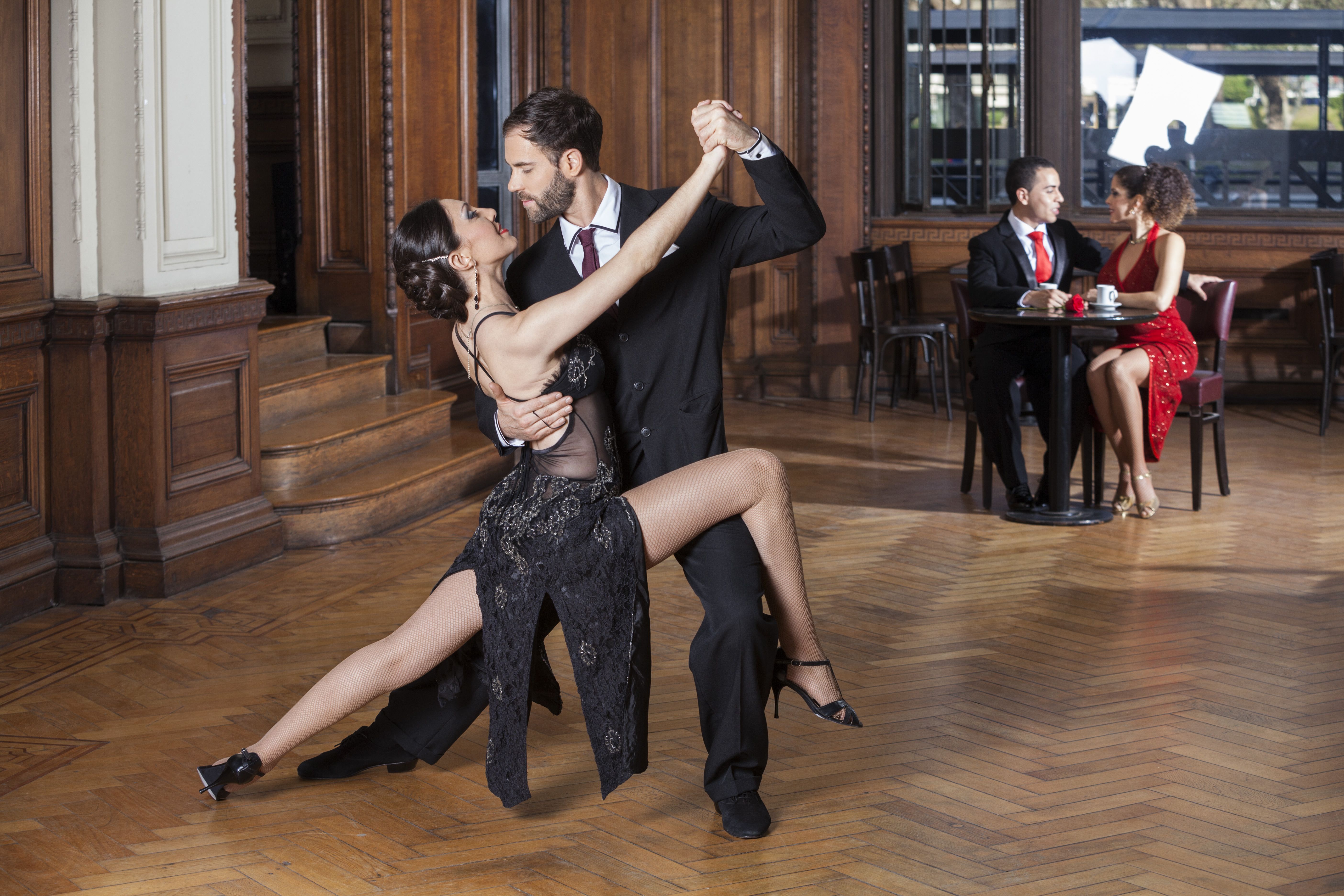
When you hear the word tango outside of a dance hall, your mind might jump straight to the Argentine tango—the dramatic, passionate partner dance born in the suburbs of Buenos Aires. Yet, if you listen to a police scanner, a military dispatch, or watch a tactical film, "tango" carries an entirely different weight. It is shorthand, a fast-moving designator used in high-stress environments where every single syllable counts.
In military and law enforcement contexts, tango in the military refers specifically to the letter "T" within the NATO phonetic alphabet. More colloquially, tactical personnel and law enforcement officers have also used "T" as shorthand for a target, a threat, or a specific adversary during operations. Understanding how a sultry South American dance transformed into a crisp, urgent operational code reveals a fascinating history of standardization, communication efficiency, and tactical evolution.
The Origins of the NATO Phonetic Alphabet
To understand why a dance name became a military designator, you have to look at how verbal communication evolved during times of global conflict. During World War I and World War II, radio technology was noisy, crackling, and prone to static interference. Mishearing a single letter over a tactical radio could mean the difference between a successful resupply and friendly fire.
Military planners needed a standardized list of words to represent letters of the alphabet so that spoken spelling would be unmistakable, even over poor connections. Early iterations included words like "Able," "Baker," "Charlie" for the US military, while the British used different sets entirely. This inconsistency caused dangerous confusion during joint Allied operations.
By the 1950s, the International Civil Aviation Organization (ICAO) developed a universally intelligible phonetic alphabet, which was subsequently adopted by NATO. They tested hundreds of words across multiple languages to find sounds that could be understood by speakers of various native tongues, even with heavy static or accent interference.
The letter "T" was assigned the word Tango. Chosen for its sharp plosive consonants and distinct cadence, it quickly became standard across armies, navies, and air forces worldwide.
From Phonetic Letter to Tactical Shorthand
While the primary, official use of "Tango" in military communication is strictly as the phonetic code word for the letter T, tactical culture has a habit of evolving its own slang. Over decades of operational use, communication shortcuts naturally emerged.
In many fast-paced tactical environments, brevity is a matter of survival. Operators use shorthand designations to communicate coordinates, statuses, and enemy positions without wasting breath or radio bandwidth. Over time, the word tango began to do double duty in informal field vernacular:
- Designating the Letter T: In grid coordinates, call signs, or serial numbers, operators say "Tango" instead of "T" to prevent confusion with letters like P, B, or D which share similar acoustic profiles over cheap or strained radios.
- Target or Threat Shorthand: In various law enforcement and military subcultures, "Tango" has occasionally been shorthand for a "target" or a hostile individual. While not the official doctrine in every branch, cultural osmosis from media, tactical training simulations, and cross-agency joint exercises cemented this usage in the public consciousness.
For a deeper look at how official military terminology is standardized and managed, you can review the resources provided by the Combating Terrorism Center or historical communication guides maintained by the Naval History and Heritage Command.
Why Clear Radio Communications Save Lives
Radio discipline is one of the first things instilled in recruits during basic training. When adrenaline spikes during combat or high-risk law enforcement raids, human speech patterns tend to speed up, pitch rises, and articulation suffers.
Using phonetic alphabets helps counter this natural physiological response. If an operator needs to read out a grid coordinate containing the letter T, saying "Tango" forces the speaker to enunciate clearly. It acts as an acoustic anchor.
Radio communication protocols also dictate strict structure. A transmission follows specific formats to ensure the receiver catches the most critical data first. For example, knowing whether an asset is moving toward a specific waypoint or engaging a hostile element requires absolute clarity on directional letters and sector designators.
Pop Culture Versus Reality
Movies, television shows, and video games love to feature tactical jargon. Characters bark commands over headsets, dropping words like "Tango down" with theatrical precision. While this makes for gripping cinema, it often blurs the line between official military doctrine and stylized shorthand.
In actual contemporary military operations, standard doctrine relies heavily on brevity codes, standardized operating procedures, and precise grid systems rather than Hollywood slang. While a veteran or active-duty service member will instantly recognize what someone means by "Tango," official after-action reports and tactical directives use standardized terminology to maintain legal, historical, and operational clarity.
To explore more about how language shapes operational effectiveness, the Department of Defense publishes extensive glossaries and style guidelines for public and internal communications.
Common Mistakes and Misconceptions
People often stumble when trying to understand military communication systems. Clearing up a few persistent myths helps paint an accurate picture of how tactical language actually works.
- Myth: "Tango" is the universal military code word for an enemy combatant across all branches.
- Reality: While common in certain tactical units and popularized by law enforcement dramas, "Tango" is officially just the phonetic word for the letter T. Hostile forces are more commonly referred to by standard doctrinal terms like hostiles, enemy forces, OPFOR (opposing forces), or specific grid coordinates.
- Myth: Phonetic alphabets are static and never change.
- Reality: Phonetic alphabets underwent significant revisions throughout the 20th century to accommodate linguistic shifts and improve international clarity. The current NATO phonetic alphabet has remained stable for decades precisely because extensive testing proved its reliability.
- Myth: Anyone in the military uses every piece of slang heard in movies.
- Reality: Military language varies wildly by branch, MOS (Military Occupational Specialty), and coalition context. An Army infantryman communicates differently than a Navy cryptologic technician or an Air Force pilot.
Frequently Asked Questions
Is "Tango" used exclusively for the letter T in all military branches?
Yes. Officially, the NATO phonetic alphabet assigns "Tango" solely to the letter T. Any secondary meaning, such as representing a target or threat, is informal slang rather than formal doctrine.
Why do military personnel use phonetic alphabets instead of normal spelling?
Radio static, background engine noise, wind, and stress distort human speech. Words like B, D, P, and T sound nearly identical over a low-quality or distant radio transmission. Phonetic words use distinct consonant sounds that cut through interference.
Where did the word "Tango" originate for the phonetic alphabet?
The NATO phonetic alphabet was developed in the 1950s by the International Civil Aviation Organization. Linguists selected words that were easily recognizable and pronounceable by speakers of many different languages, choosing "Tango" for the letter T due to its distinct phonetic profile.
Do law enforcement agencies use the same phonetic alphabet as the military?
Yes. Police departments, federal agencies, firefighters, and emergency medical services widely adopt the phonetic alphabet—often the NATO or APCO variant—to ensure clear communication during multijurisdictional responses.



