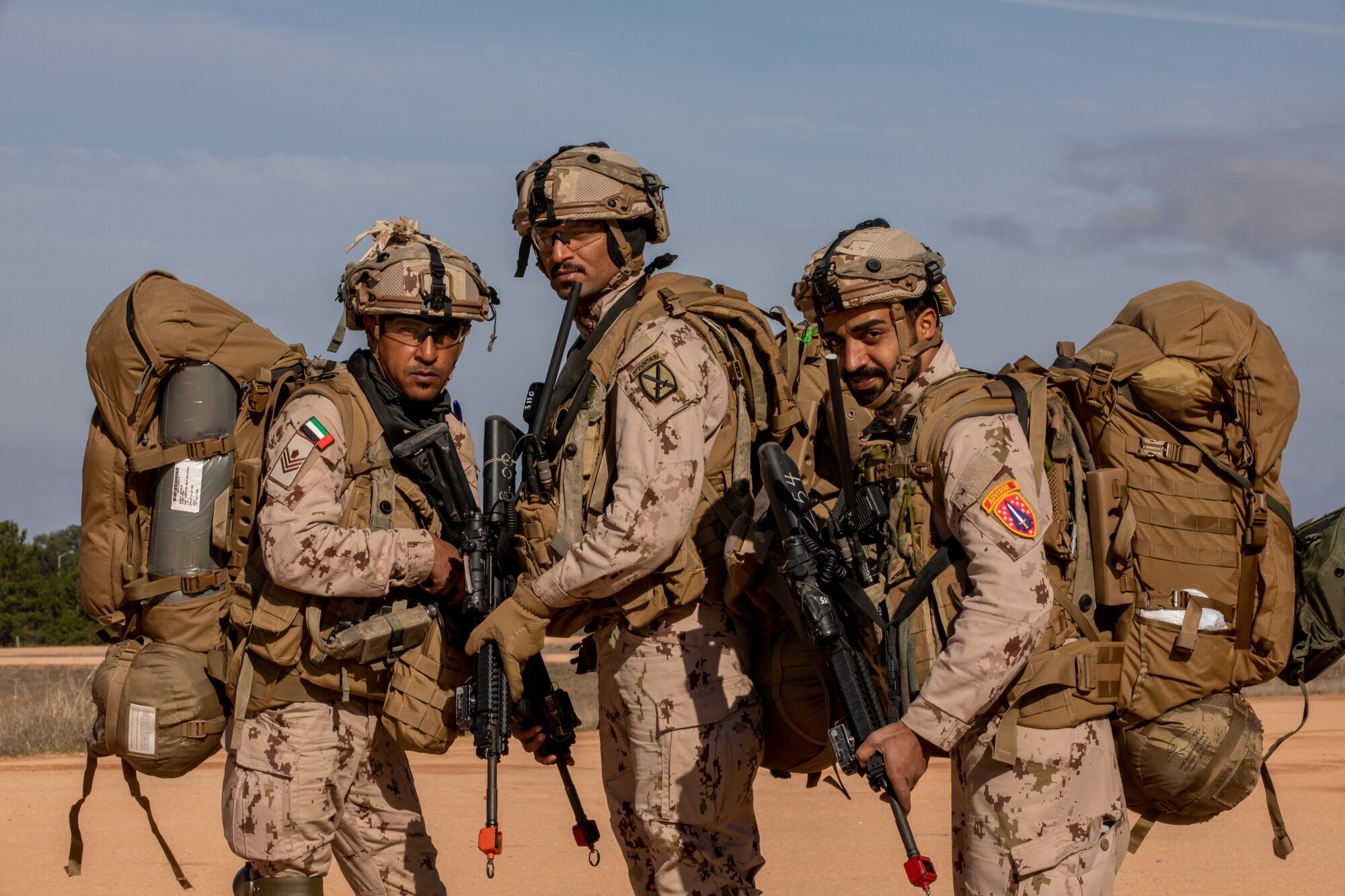
Understanding military ranks requires looking past varied uniform insignia and titles to examine the structural pillars that hold armed forces together worldwide. Every national defense organization relies on a precise hierarchy to maintain order, delegate authority, and execute complex operations under pressure. Whether analyzing NATO standardized grades or independent defense doctrines, military structures are universally divided into distinct tiers.
The Foundation of Military Hierarchy
Armed forces worldwide operate on a bedrock of two primary tiers: enlisted personnel and commissioned officers. A third category, warrant officers, bridges the gap in specific countries like the United States. Each tier carries defined responsibilities, distinct entry requirements, and specific pathways for advancement.
Enlisted personnel form the backbone of any fighting force. They execute daily operations, operate specialized equipment, and provide hands-on leadership at the tactical level. Commissioned officers, holding commissions from the head of state or government, handle operational planning, tactical command, and strategic decision-making.
Understanding how these tiers interact reveals how armies, navies, and air forces mobilize personnel efficiently during peace and conflict. For detailed overviews of specific national structures, consult official resources such as the U.S. Department of Defense or the UK Ministry of Defence.
Enlisted and Non-Commissioned Personnel
The enlisted corps begins with recruits entering basic training. As they gain experience, they progress through junior ranks before stepping into leadership roles as non-commissioned officers (NCOs).
Junior enlisted members focus on mastering core skills and following direct orders. As they demonstrate reliability and tactical proficiency, they earn promotion to corporal or sergeant equivalents. These junior NCOs lead small teams directly in the field.
Senior non-commissioned officers shoulder immense responsibility. They advise commanding officers on troop welfare, tactical execution, and discipline. In many armed forces, a command sergeant major or fleet master chief represents the highest tier of enlisted leadership, acting as a direct liaison between the enlisted force and senior flag officers.
Common challenges for aspiring NCOs include balancing administrative duties with field leadership and maintaining morale during high-stress deployments. Effective NCOs prioritize clear communication and lead by personal example rather than relying solely on rank authority.
Commissioned Officers and Command Structure
Commissioned officers direct military strategy and operational execution. The officer corps is typically split into company grade, field grade, and general or flag officer ranks.
Company grade officers—spanning lieutenants and captains—manage platoon and company-level elements. They work directly with senior NCOs to execute missions on the ground. Field grade officers, including majors, lieutenant colonels, and colonels, command battalions, regiments, and brigades, shifting focus toward broader operational planning and resource management.
General officers, holding titles such as brigadier general, major general, lieutenant general, and general, shape national security strategy. They command multi-service components, theaters of war, and entire defense branches.
To explore international comparative structures, international defense analysts frequently reference documentation published by organizations like NATO via the North Atlantic Treaty Organization.
NATO Rank Equivalency Standards
Comparing military ranks across different countries can be complex due to linguistic and historical differences. To streamline joint operations, NATO established standardized rank codes ranging from OF-1 to OF-10 for officers and OR-1 to OR-9 for enlisted personnel.
These codes allow allied nations to determine relative seniority instantly during multinational exercises or coalition deployments. For example, an OF-5 designation consistently identifies a colonel or naval captain, regardless of whether the service member belongs to the French Army or the German Bundeswehr.
However, relying strictly on code equivalency overlooks national nuances. Pay grades, years of service required for promotion, and specific command authorities vary significantly between nations, even among close allies.
Frequently Asked Questions
How do naval ranks differ from army ranks?
While naval officer titles derive from historical sailing traditions—such as lieutenant, commander, and captain—they align directly with army equivalents in terms of pay grade and authority. For example, a naval captain holds the same pay grade and general command seniority as an army colonel.
What is the role of a warrant officer?
Warrant officers are technical experts and specialists rather than general commanders. Countries like the United States utilize warrant officers in aviation, intelligence, and technical maintenance fields where deep, specialized knowledge takes precedence over general troop leadership.
Why do military rank structures vary between countries?
Historical traditions, constitutional frameworks, and specific geopolitical needs shape national defense doctrines. A nation with a defensive doctrine may emphasize different staff structures compared to a global projection force.
Can enlisted personnel become commissioned officers?
Yes. Many armed forces offer commissioning programs, such as Officer Candidate School or enlisted-to-officer commissioning tracks, allowing experienced service members to transition into the officer corps.



