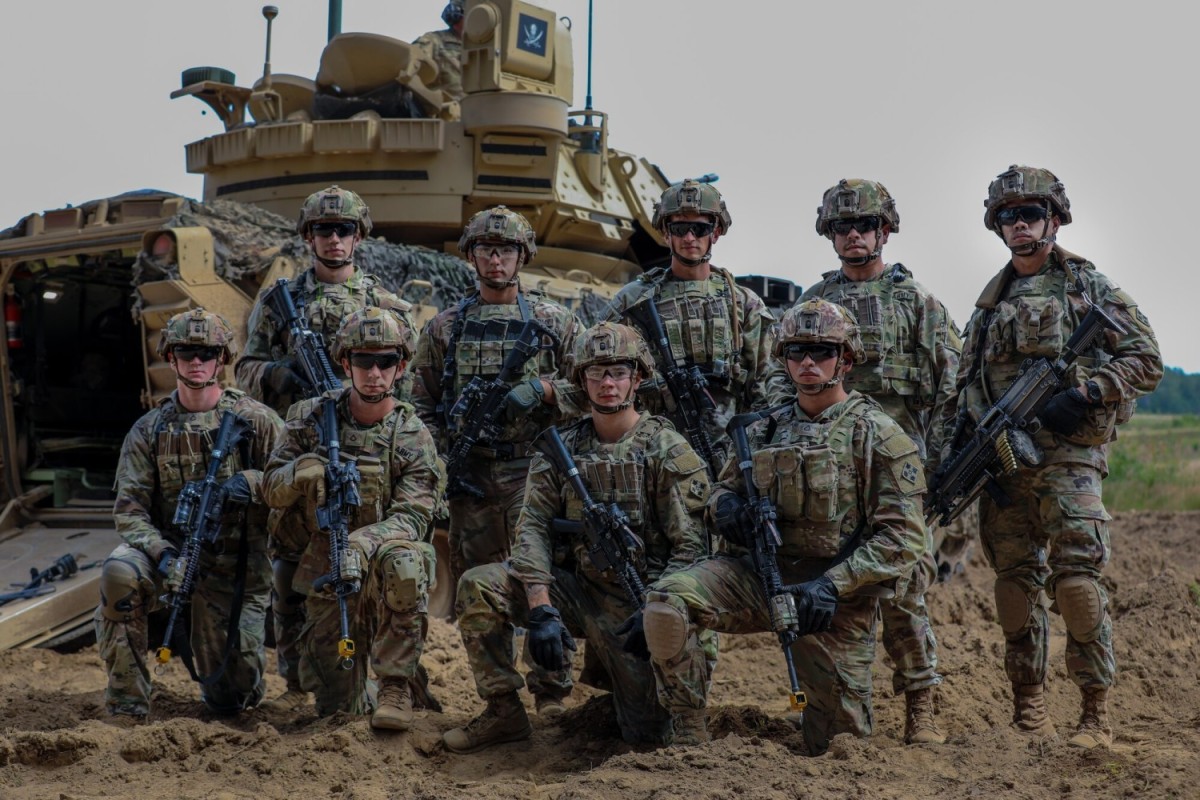
Military combat training transforms civilians into disciplined, resilient service members capable of operating under extreme pressure. Armed forces around the world structure this preparation through progressive phases, moving from foundational conditioning to specialized technical instruction.
Understanding how modern armed forces build tactical competence requires looking at the specific programs, physical standards, and strategic doctrine that govern service pipelines. Whether you're researching military structures or evaluating tactical readiness models, the curriculum relies on strict standards and continuous adaptation.
The Foundation: Basic Combat Training
Basic training serves as the initial crucible for all incoming recruits. The primary objective isn't just physical conditioning; it's psychological conditioning designed to instill discipline, teamwork, and adherence to chain-of-command protocols under duress.
Recruits undergo a multi-week transition period where civilian habits are replaced with military standardization. This phase focuses heavily on core proficiencies:
- Marksmanship fundamentals and weapon maintenance.
- Basic battlefield first aid and tactical combat casualty care.
- Land navigation using topographic maps and compasses.
- Close-quarters combat and combatives.
Physical standards during this phase are rigorously enforced. For instance, the United States Army Basic Combat Training incorporates the Army Combat Fitness Test (ACFT), which measures muscular strength, power, endurance, and speed across six distinct events, including deadlifts, standing power throws, hand-release push-ups, sprint-drag-carry drills, leg tucks or planks, and a two-run mile.
Advanced Individual Training and Specialization
Once recruits graduate from basic training, they move on to Advanced Individual Training (AIT) or branch-specific tech schools. This phase is where soldiers earn their Military Occupational Specialty (MOS).
Training diverges significantly based on the assigned job function. An infantry soldier trains heavily in squad tactics, urban operations, and heavy weapons handling. Conversely, a signal or cyber operations specialist spends months in classroom settings learning communication architectures and network defense.
Advanced tactical courses also incorporate realistic simulation environments. Modern programs use laser engagement systems like MILES (Multiple Integrated Laser Engagement System), virtual reality tactical trainers, and live-fire urban modules to bridge the gap between garrison instruction and actual battlefield conditions.
Strategic Doctrine and Modern Adaptations
Military strategy in training has shifted dramatically to address asymmetrical threats, hybrid warfare, and multi-domain operations. Modern combat schools emphasize decentralized command and critical thinking at the junior leader level.
Instead of relying solely on rigid, linear maneuvers, training pipelines now emphasize small-unit autonomy. Squad leaders and platoon sergeants are trained to make rapid tactical decisions when communication with higher headquarters is disrupted. Furthermore, integration with technological assets—such as small unmanned aerial systems (drones) and digital command networks—has become a standard part of infantry curriculum rather than a specialty skill reserved only for niche units.
Common Pitfalls in Tactical Preparation
Candidates attempting to enter military pipelines often make avoidable mistakes during their physical and mental preparation.
- Ignoring injury prevention: Overtraining without adequate recovery leads to stress fractures and joint injuries before service even begins.
- Focusing only on endurance: Neglecting strength training makes heavy load carriage significantly harder during rucking assessments.
- Underestimating mental resilience: Physical fitness alone doesn't pass selection courses; psychological adaptability under fatigue is the primary differentiator.
Frequently Asked Questions
What is the hardest part of military combat training?
Most service members cite the psychological adjustment and sleep deprivation during initial entry training as the hardest hurdles. The physical demands are high, but coping with constant pressure and fatigue tests mental endurance the most.
How long does basic combat training typically last?
Basic training duration varies by nation and branch. In the U.S. military, standard basic combat training lasts approximately 10 weeks, followed immediately by advanced training specific to the soldier's job.
Do recruits need prior martial arts experience?
No prior experience is required. Military combatives programs teach hand-to-hand combat systems from the ground up, starting with basic balance, strikes, and grappling holds.
How has technology changed modern combat instruction?
Simulators, augmented reality, and data-driven performance tracking allow instructors to analyze recruit decision-making speed and accuracy in real time, enabling faster corrective feedback than traditional methods allowed.



