Mike Ehrmantraut isn't a good man, but he is a disciplined one. Across Breaking Bad and Better Call Saul, Jonathan Banks plays a former Philadelphia cop who strips away emotion, hope, and self-forgiveness until only function remains. Viewers often mistake his gravelly quietness and professional routine for a noble moral code. In reality, Mike uses procedure as an anesthetic. He builds a rigid cage of rules not to stay clean, but to manage the crushing weight of his own guilt.
The Evolution from Corrupt Cop to Professional Fixer
To understand Mike, you have to look at how he starts. In Better Call Saul, we meet him as a weary parking attendant taking bribes at the Albuquerque courthouse. That small corruption is a ghost of his past in Philadelphia, where he took his first payoff. When his honest son Matty refuses to join the take, corrupt colleagues Hoffman and Fensky murder him anyway. Mike responds by executing both corrupt detectives in an alcohol-fueled revenge ambush.
That vengeance marks his true entry into the criminal underworld. He leaves Pennsylvania behind and heads to New Mexico, trading public safety work for private fixing. Early on, he takes odd jobs protecting low-level dealers and running surveillance. Each gig pushes him deeper into the cartel's orbit. He doesn't stumble into the drug trade by accident or poverty; he chooses it because he believes his soul is already lost.
The Function of the Code
Mike constantly talks about rules, professionalism, and doing a job right. He tells younger criminals like Walter White or Jesse Pinkman that they lack discipline. Yet his code is selective.
- The Family Exception: Mike justifies every violent act, bribe, and murder by pointing to his daughter-in-law Stacey and granddaughter Kaylee. He convinces himself that stashing illegal cash offshore secures their future, making him a provider rather than a monster.
- Selective Professionalism: He honors deals with employers like Gustavo Fring because Gus offers structure, quiet efficiency, and predictability.
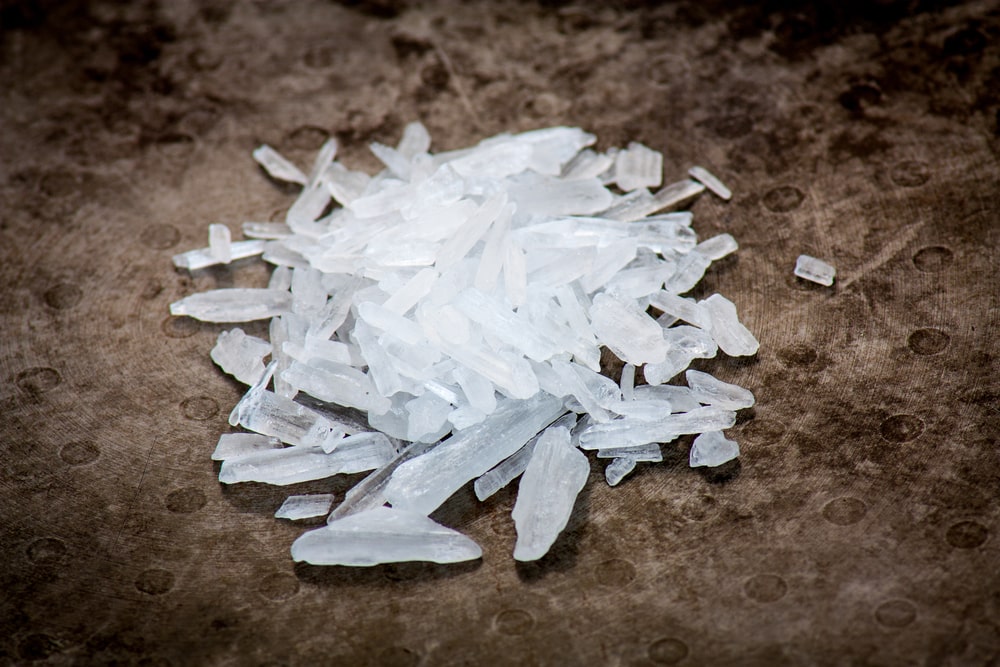
- The Blind Spot of Complicity: Mike blames the Salamanca family or Walter White for chaos, ignoring the fact that he helps import tons of crystal meth that destroys thousands of lives.
His famous speech about the "bad choice road" in the Better Call Saul series finale reveals his self-awareness. Given a time machine, he wouldn't stop the cartel wars or save his life; he would stop himself from taking that first bribe in Philly. He knows his whole architecture of toughness rests on a single rotten brick.
Mike Versus Walter White: Two Kinds of Pride
Viewers often contrast Mike with Walter White, viewing Mike as the honorable professional and Walt as the raving egoist. In truth, they are mirrors.
Walter White wants to be recognized, feared, and adored. He builds an empire to feed an insatiable vanity. Mike, conversely, wants to hide. He seeks anonymity behind crisp suits, sunglasses, and parking gate tickets. He wants to feel invisible while doing dirty work, convincing himself that a quiet demeanor makes him superior to loud amateurs.
When Mike treats Jesse Pinkman with a gruff, paternal warmth, it satisfies his need for redemption. He couldn't save his son Matty from corrupt cops, so he tries to steer Jesse away from total destruction. But this mentorship is deeply contradictory. Mike protects Jesse with one hand while handing him a gun and putting him in the crosshairs of a ruthless cartel with the other.
Frequently Asked Questions
Why did Mike start working for Gus Fring?
Mike initially crossed paths with Gus through security consulting and private investigations brokered by veterinarian Dr. Caldera. Gus recognized Mike's military background, tactical patience, and absolute discretion, hiring him to build an airtight security apparatus that insulated the drug operation from law enforcement.
Did Mike actually love his granddaughter Kaylee?
Yes, his devotion to Kaylee and Stacey is genuine. However, psychologists note that his obsession with providing financial security functions as a psychological defense mechanism. It allows him to compartmentalize his violent crimes by framing them as selfless acts of love.
Why couldn't Mike get along with Walter White?
Mike despised Walt's amateurism, recklessness, and fragile ego. While Mike viewed criminal enterprise as a quiet, orderly corporate job, Walt treated it like an ego trip, regularly breaking protocol and bringing unnecessary heat down on the entire operation.
What was Mike's biggest regret?
As he reveals in his final conversation with Jimmy McGill in Better Call Saul, Mike's ultimate regret is taking his first bribe as a police officer in Philadelphia. He understands that single compromise opened the door to every subsequent tragedy, including his son's murder.



