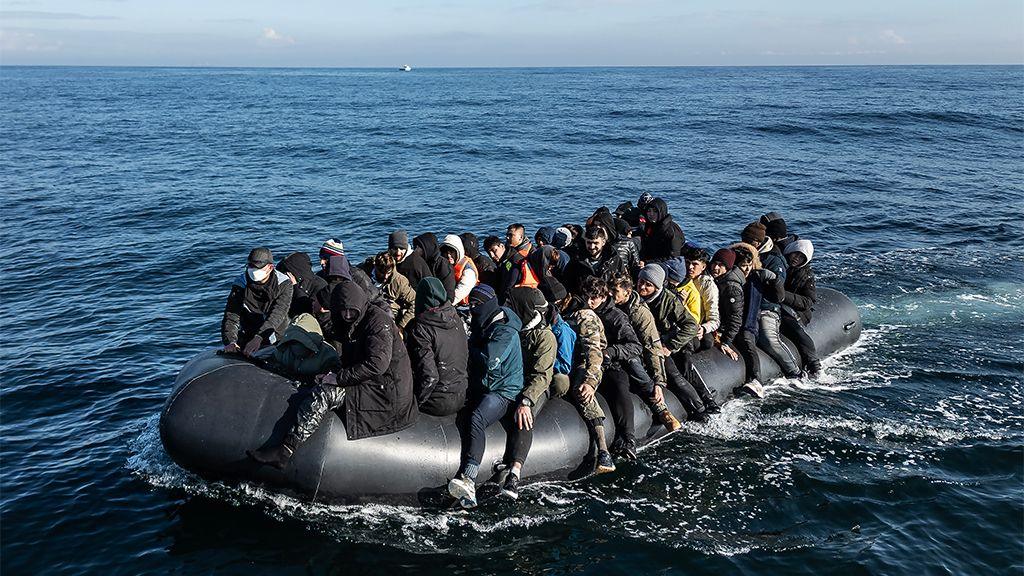
When you look closely at Spanish vocabulary regarding human movement, the distinction between migrante and inmigrante carries significant legal, social, and linguistic weight. While casual speakers often treat these terms as interchangeable, professional translators, journalists, and legal scholars maintain strict boundaries between them. Grasping these differences clarifies how language frames human mobility across international borders.
At its core, migrante functions as a broad umbrella term, whereas inmigrante specifies a permanent or long-term arrival in a destination country. Understanding how these labels apply prevents common miscommunications in legal, media, and academic contexts. Let's break down the definitions, grammatical rules, and practical applications that set them apart.
Defining Migrante: The Broad Umbrella Term
The word migrante comes from the Latin root migrantem, meaning someone who moves from one place to another. In Spanish, it acts as the overarching category for any person who changes their usual place of residence, regardless of direction, legal status, duration, or motivation.
- Inclusivity: A migrante can be someone moving within their own country (an internal migrant) or someone crossing an international boundary.
- Temporal flexibility: The term applies whether the movement is temporary, seasonal, cyclical, or permanent.
- Legal neutrality: It carries no specific legal status under immigration law; it merely describes an action in progress.
For example, seasonal agricultural workers who travel across regions for harvest cycles are accurately described as migrantes. Similarly, digital nomads moving between countries every few months fall under this definition because their residency status remains fluid.
Defining Inmigrante: The Specific Arrival
An inmigrante is someone who arrives in a new country with the intention of settling there for an extended period or permanently. The prefix in- (meaning "into" or "towards") changes the focus entirely toward the destination point.
- Directional focus: Unlike the general movement implied by migrante, an inmigrante has completed a border-crossing journey and settled in a host nation.
- Legal and administrative ties: Governments and statistical agencies use inmigrante to classify individuals who have obtained legal permanent residency, visas, or citizenship status after arriving from abroad.
- Social integration: The term often implies a process of assimilation, naturalization, and long-term community integration in the host country.
When a person moves from Colombia to Spain and secures a long-term residency visa to live and work indefinitely, local authorities and media outlets refer to them as an inmigrante.
The Critical Differences at a Glance
To separate these concepts cleanly, compare their core operational traits.
- Scope of Movement: A migrante covers all forms of geographical relocation. An inmigrante specifically denotes incoming movement to a new foreign country.
- Duration: Migrante describes transit or temporary stays. Inmigrante emphasizes permanent or long-term settlement.
- Perspective: Migrante looks at the traveler in motion. Inmigrante looks at the resident from the perspective of the receiving nation.
Related Terms: Emigrante, Migrant, and Refugiado
To fully understand migrante and inmigrante, you must examine related terms that frequently appear in public discourse. Confusing these words leads to inaccurate reporting and legal misunderstandings.
Emigrante
An emigrante is someone who leaves their home country. The prefix e- (derived from ex-, meaning "out of") focuses entirely on the point of departure. The same person who is an inmigrante in the United States is simultaneously an emigrante from their country of origin.
Refugiado
A refugiado (refugee) holds a specific legal status protected under international frameworks like the UNHCR 1951 Refugee Convention. Unlike general migrantes, refugees flee war, violence, or persecution, and international law prohibits their forced return.
Common Usage Mistakes in Media and Law
Journalists and policymakers frequently misuse these terms, leading to public confusion. Recognizing these errors helps you communicate with precision.
- Treating all migrants as permanent settlers: Calling temporary workers inmigrantes ignores their cyclical travel patterns and legal temporary status.
- Ignoring internal movement: Using international terms for citizens displaced within their own country (such as rural-to-urban shifts) misrepresents domestic demographics.
- Conflating legal statuses: Grouping asylum seekers, undocumented workers, and permanent residents under a single vague label hinders effective policy-making.
Frequently Asked Questions
Is a migrant the same as an immigrant in English?
In English, "migrant" is often used as a broad term for anyone moving, while "immigrant" refers to someone settling permanently in a new country. However, English media sometimes conflates them, much like Spanish speakers do with migrante and inmigrante.
Can someone be both a migrante and an inmigrante?
Yes. Every inmigrante was initially a migrante during their journey. Once they complete their border crossing and establish long-term residence, the more specific label inmigrante applies.
Why does precise terminology matter in immigration policy?
Governments base social services, legal rights, and visa quotas on precise definitions. Mislabeling populations can deny them appropriate legal protections or distort economic data.
How do international organizations classify these groups?
Organizations like the International Organization for Migration use precise definitions to distinguish between labor migrants, forced displacement, and permanent resettlement to ensure accurate global data tracking.



