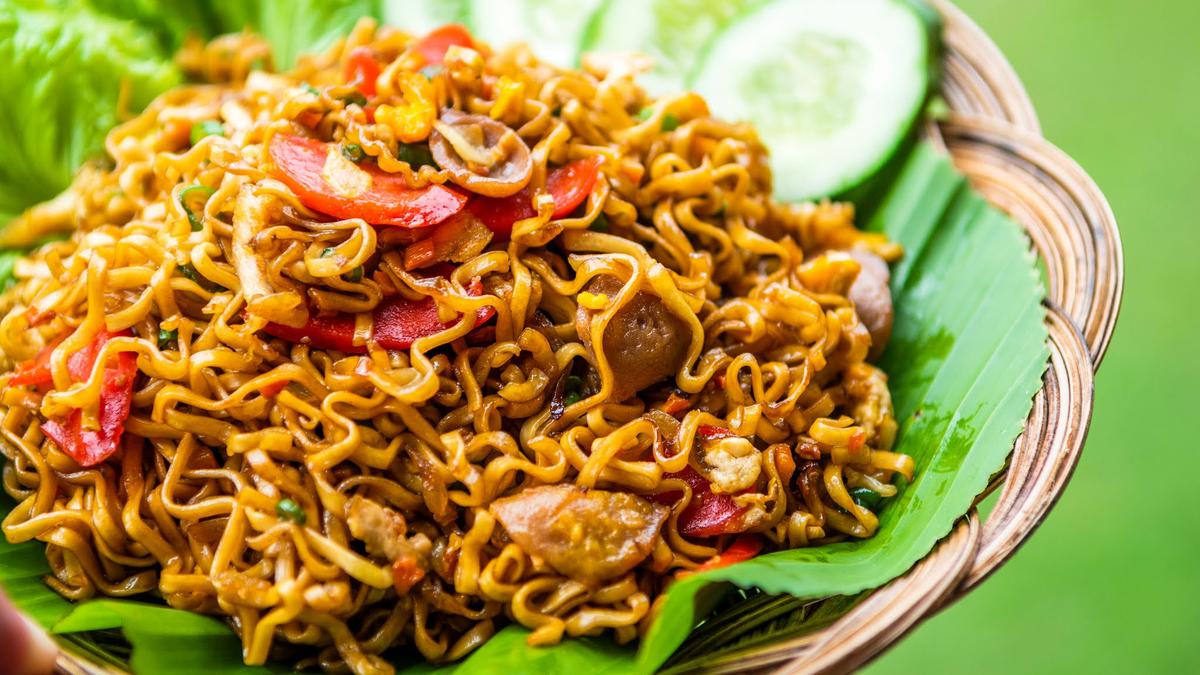
Making mie jebew at home without chili oil doesn't mean sacrificing heat or depth. Traditional versions rely heavily on heavy chili oil floats for burning spice, but you can build a cleaner, far more complex punch using fresh aromatics, white pepper, and customizable sambal pastes.
Skip the heavy grease and let's make a vibrant bowl of Indonesian spicy noodles that won't leave you reaching for milk. Here's your complete guide to crafting a sharp, aromatic bowl of noodles with all the flavor and none of the heavy oil.
What is Mie Jebew?
Mie jebew is a modern street food sensation hailing from West Java, Indonesia. The name comes from a local Sundanese slang term that describes the swollen, red lips you get from eating something aggressively spicy.
Traditional mie jebew features springy yellow wheat noodles tossed in a potent mixture of sweet soy sauce, chicken fat, garlic, and a heavy ladle of homemade chili oil (minyak cabai). It's fiery, slick, and deeply savory.
However, heavy chili oil can mask the subtle interplay of garlic, shallots, and broth. Dropping the chili oil allows you to taste the herbs, chicken stock, and citrus notes much more clearly. You get a clean, bright heat rather than a flat, oily burn.
Essential Ingredients for Clean Heat
Building spice without oil requires shifting your heat sources. Instead of relying on a cup of boiling chili fat, you'll use fresh ingredients that deliver sharp, aromatic heat.
- Noodles: Fresh yellow egg noodles or Chinese alkaline wheat noodles (bami) work best. They hold up to sauces without turning gummy.
- Aromatic Oil Base: Use neutral vegetable oil infused with shallots, garlic, and bruised lemongrass instead of chili oil.
- The Heat Elements: Fresh bird's eye chilies (cabe rawit), freshly ground white pepper, and a bright sambal paste made without heavy oils.
- Savory Depth: Sweet soy sauce (kecap manis), standard soy sauce, and a high-grade chicken or mushroom bouillon powder.
- Toppings: Crispy fried shallots, finely sliced green onions, and shredded poached chicken.
Step-by-Step Cooking Guide
This recipe yields two generous bowls. Total prep and cook time sits right around twenty minutes.
- Prep the aromatics: Finely slice four large shallots and three cloves of garlic. Mince five bird's eye chilies if you want the heat built right into the bowl, or keep them whole for side service.
- Make the aromatic oil: Heat three tablespoons of neutral oil in a small pan over medium-low heat. Add the sliced shallots and fry gently until golden brown and crispy. Remove the shallots with a slotted spoon and set them aside. In the remaining warm oil, toss in your minced garlic and a pinch of white pepper for thirty seconds until fragrant.
- Mix the base sauce: In each serving bowl, combine one tablespoon of sweet soy sauce, one teaspoon of regular soy sauce, a half teaspoon of sesame oil, and a tablespoon of your warm aromatic shallot oil.
- Boil the noodles: Bring a large pot of water to a rolling boil. Drop in your fresh noodles and cook for two minutes, or until al dente. Drain them thoroughly and rinse under cold water for five seconds to lock in the springy texture.
- Toss and assemble: Drop the hot noodles directly into your serving bowls. Toss vigorously with the sauce mixture until every strand is coated. Top with shredded chicken, a mountain of crispy shallots, and fresh green onions.
Common Mistakes to Avoid
Even simple noodle dishes can fall flat if you miss small technical details. Watch out for these pitfalls during prep:
- Overcooking the noodles: Fresh alkaline noodles cook in minutes. If you leave them in boiling water too long, they absorb too much water and turn mushy.
- Burning the garlic: Garlic turns bitter instantly if your oil is too hot. Keep your heat at medium-low when infusing your aromatic oil.
- Skipping the rinse: Rinsing fresh noodles briefly removes excess surface starch, preventing a clumpy, heavy texture in your bowl.
Frequently Asked Questions
Can I use dried ramen noodles instead of fresh egg noodles?
Yes, dried ramen or instant noodles work in a pinch. Cook them slightly under the package instructions so they retain a firm bite when you toss them in the sauce.
How do I make the dish vegetarian?
Swap the chicken stock and shredded chicken for a rich mushroom broth, soy curls, or crispy fried tofu cubes. Use a vegetarian mushroom stir-fry sauce instead of fish sauce or standard oyster sauce.
Why use white pepper instead of black pepper?
White pepper provides a sharper, cleaner heat that hits the front of your palate immediately, which is classic in Indonesian street-style noodle dishes. Black pepper tends to overpower the delicate shallot and garlic notes.
How can guests control their own spice levels?
Set out a small dish of raw, sliced bird's eye chilies mixed with a splash of lime juice and salt. Diners can spoon exact amounts into their bowls without altering the base flavor of the noodles.