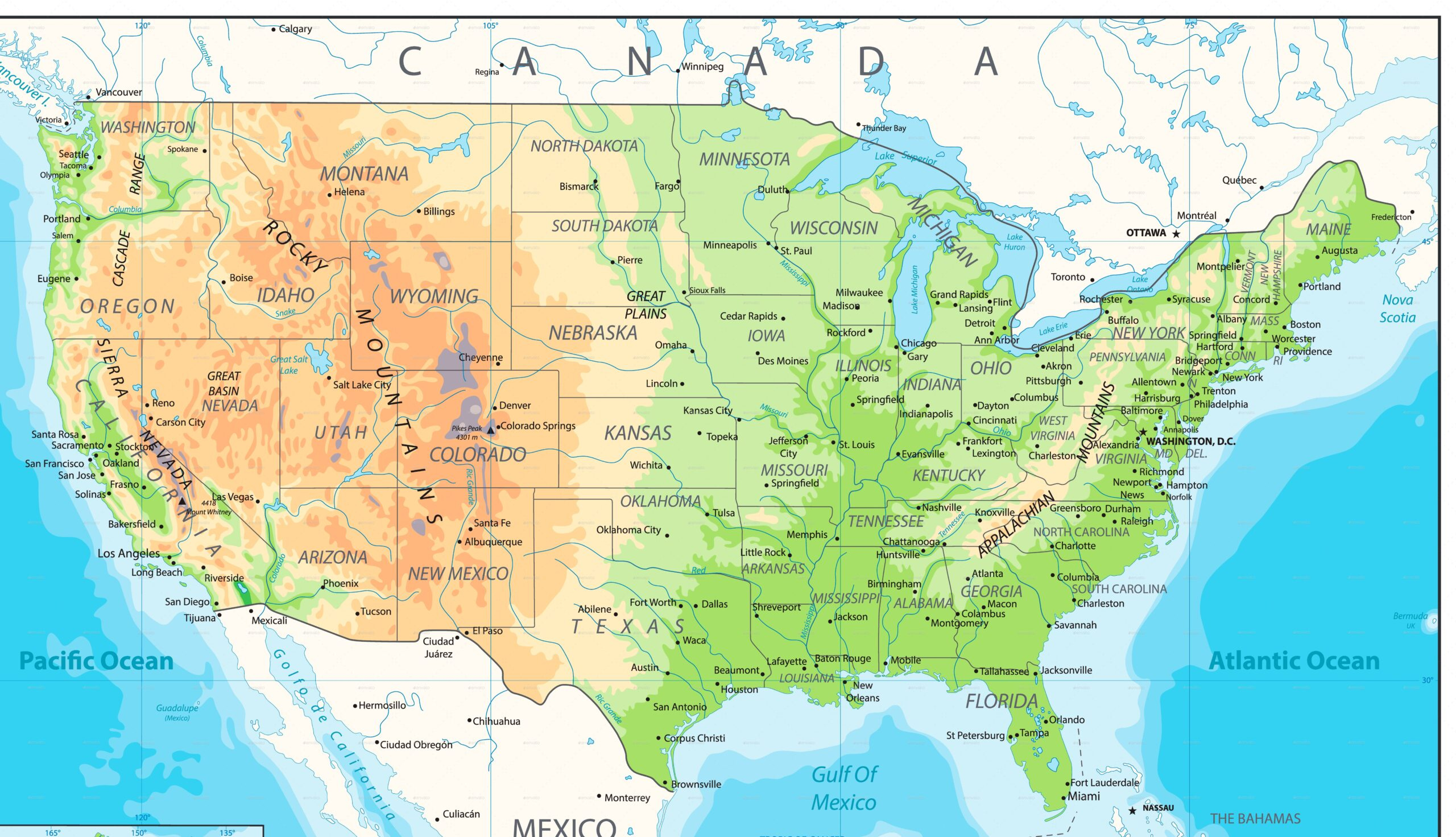
State capitals across the American Midwest are quietly reshaping regional economics by pivoting from traditional bureaucratic hubs into dynamic centers of venture capital, specialized technology, and talent retention. While coastal metropolises command headlines for tech booms, cities like Columbus, Indianapolis, Lansing, and Madison are leveraging public-private partnerships, institutional anchors, and lower costs of living to capture high-growth industries. This shift isn't just about government spending; it's a structural transformation driven by targeted capital deployment, university spin-offs, and a reimagined urban core.
Understanding this economic evolution requires looking beyond standard rust-belt narratives. Midwest capitals possess a unique asset mix: stable state government employment cushions, major land-grant research institutions, and proactive economic development funds. By channeling venture capital and state-backed seed money into localized clusters—such as insurtech in central Ohio or agtech in Illinois—these cities are building resilient economies that weather national downturns better than their manufacturing-dependent predecessors.
The Catalyst Role of Venture Capital and Seed Funds
Traditional venture capital used to bypass middle America, favoring Silicon Valley, New York, and Boston. Today, state-backed investment vehicles and localized venture funds are filling that void, acting as the primary spark for regional startup ecosystems.
Programs like Indiana's Next Level Fund and similar initiatives in neighboring states inject institutional capital directly into local venture capital funds. This strategy addresses the early-stage funding gap that historically forced Midwest entrepreneurs to pack up and move east or west.
- State-Backed Funds: Governments are acting as limited partners in venture funds, mandating that a significant portion of capital be deployed locally.
- University Spin-Offs: Research labs at universities in cities like Madison and Columbus convert academic discoveries into commercial entities with local seed backing.
- Lower Burn Rates: Startups in Midwest capitals stretch seed rounds twice as far compared to coastal markets, offering higher operational runway.
This influx of early-stage money creates a multiplier effect. Engineers, data scientists, and specialized service providers anchor themselves near these emerging hubs, building a denser talent pool that attracts larger institutional investments over time.
Infrastructure Upgrades and Talent Retention
Economic transformation requires physical and digital infrastructure that appeals to a mobile workforce. Midwest capitals are investing heavily in downtown revitalization, high-speed fiber networks, and modern transit systems to keep young professionals from migrating to coastal mega-cities.
Cities like Indianapolis and Columbus have redesigned their urban cores to feature mixed-use developments, combining affordable housing with walkable commercial districts. Unlike past eras of urban renewal that relied on single-purpose stadiums or convention centers, current investments focus on creating vibrant lifestyle ecosystems.
- Co-working and Innovation Districts: Transforming vacant historic buildings into multi-tenant tech incubators.
- Broadband Expansion: Deploying municipal fiber to attract remote workers and digital-first enterprises.
- Quality of Place Investments: Upgrading parks, bike-share networks, and cultural venues to compete with larger metros on lifestyle.
Retention rates for university graduates in these capital regions have climbed steadily over the last decade. When combined with a cost of living that remains well below the national average, these upgrades make Midwest capitals compelling alternatives for families and early-career workers alike.
Strategic Industry Specialization
Rather than trying to replicate Silicon Valley's generalist tech model, successful Midwest capitals are doubling down on regional strengths. They are combining their historic industrial and agricultural roots with modern software, logistics, and life sciences.
Columbus has emerged as a national leader in logistics and insurance technology, anchored by major corporate headquarters and state government data operations. Madison leverages the University of Wisconsin to dominate biotech, healthcare software, and agricultural science. Lansing anchors advanced manufacturing technology shifts, particularly as automotive supply chains retool for electric vehicles and battery production.
Traditional Industry Base + Research Universities + Targeted State Capital = Specialized Innovation Cluster
This specialization creates defensible economic moats. Global companies looking to tap into specific verticals—such as agricultural biotechnology or advanced manufacturing automation—find that Midwest capitals offer a concentration of specialized talent and institutional knowledge that generic tech hubs cannot match.
Common Pitfalls in Regional Economic Development
Despite positive momentum, municipal leaders and regional investors often stumble when executing transformation strategies. Recognizing these missteps is essential for sustaining long-term growth.
- Over-Reliance on Single Megaprojects: Betting an entire regional strategy on one massive corporate facility or manufacturing plant leaves the local economy vulnerable to global supply chain shifts or corporate restructuring.
- Neglecting Local Workforce Pipelines: Attracting outside companies without concurrently funding technical training programs for existing residents leads to a disconnected labor market and widening income inequality.
- Inadequate Venture Capital Follow-On Funding: While seed funds have proliferated, Series B and C funding rounds often still require coastal backing, causing successful local startups to move their headquarters away.
- Gentrification Pressures Without Housing Supply: Rapid downtown revitalization without parallel zoning reforms creates severe affordability crunches for longtime residents.
Frequently Asked Questions
Why are Midwest state capitals growing faster economically than other rust-belt cities?
Midwest capitals benefit from the financial stability of state government employment, which shields them during national economic downturns. Combined with major public universities and targeted state-backed venture funds, they possess a more resilient economic foundation than single-industry manufacturing towns.
How do state-backed investment funds work?
State governments allocate capital to act as a limited partner in venture capital firms that agree to invest in local startups or maintain a physical presence in the region. This lowers the risk for private investors and keeps capital circulating within the local economy.
Do remote workers play a role in this economic shift?
Yes. The lower cost of living, high-quality public infrastructure, and upgraded downtown housing in Midwest capitals have attracted a significant influx of remote professionals from high-cost coastal cities, boosting local service economies and residential tax bases.
What industries are driving the most growth in these capitals?
Life sciences, biotechnology, insurtech, advanced logistics, and agricultural technology lead the expansion, heavily tied to the research output of local land-grant universities and regional corporate anchors.