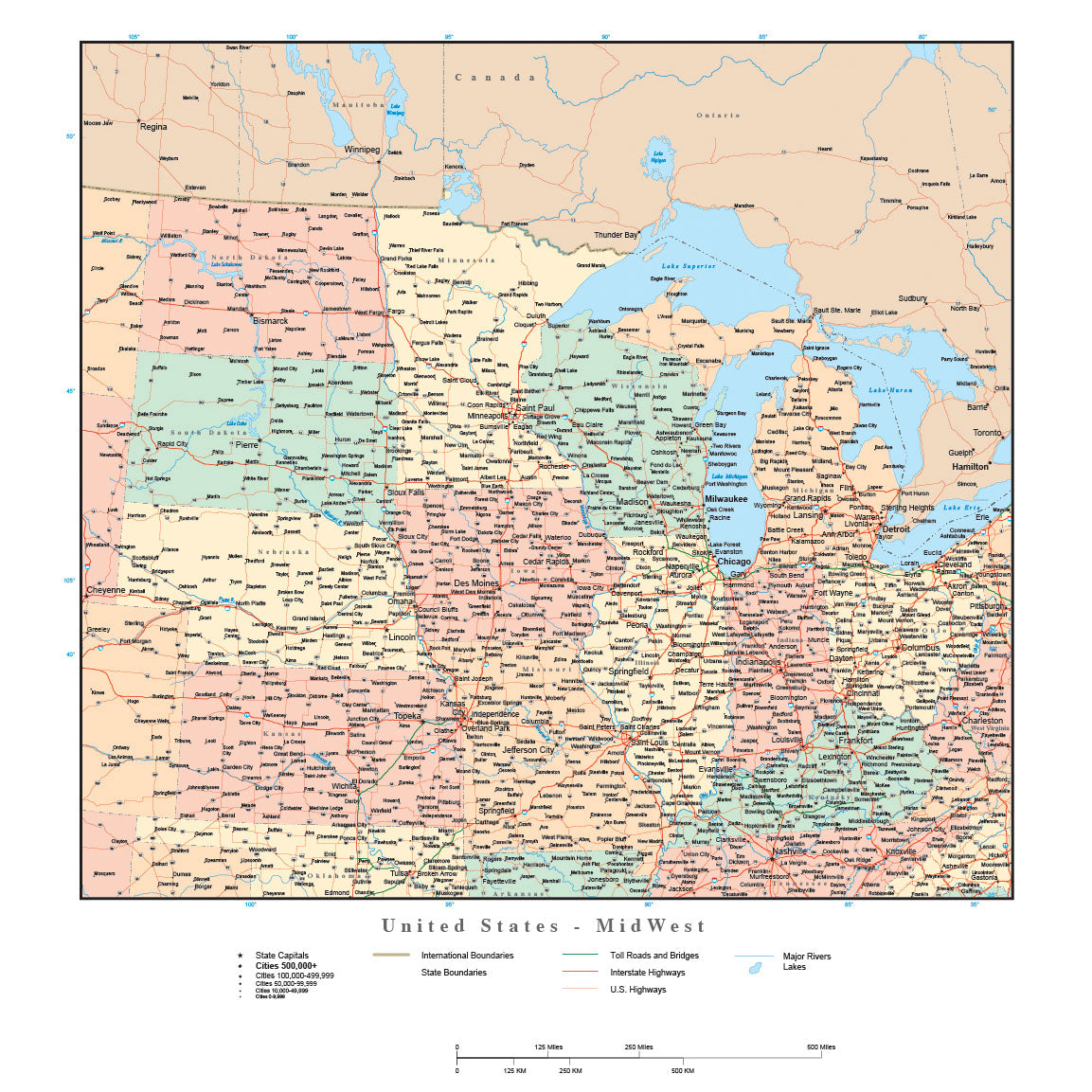
When a neighbor passes away in a rural farming community or a tight-knit Midwestern town, news doesn't always travel through social media feeds or morning newspapers. Instead, it travels across the AM and FM bands. Midwest radio death and funeral notices remain a cornerstone of local culture, acting as an acoustic bulletin board that transforms private sorrow into a shared neighborhood responsibility.
While digital platforms fragment attention, regional stations continue to broadcast service times, survivor details, and memorial arrangements. This practice isn't just about sharing logistics. It's a vital social anchor that binds scattered families and rural towns together, ensuring that nobody in the community grieves completely alone.
The Roots of Broadcast Memoriam
For nearly a century, radio has served as the nervous system of rural America. Before high-speed internet or even daily county papers reached every doorstep, stations like WGN in Chicago or WHO in Des Moines were trusted lifelines. Families relied on these broadcasts during blizzards, crop crises, and moments of personal loss.
Broadcasting a death notice over the airwaves established an immediate, wide-reaching perimeter of awareness. A single reading reached folks in the tractor cab, the local diner, and the kitchen table all at once. This broad reach eliminated the delay inherent in print media, which often took days to publish formal obituaries.
Today, even as digital memorial pages take root, the cadence of the local radio announcer reading service times carries a distinct weight. It's a voice people have trusted for decades, bringing solemn news directly into daily life without the cold detachment of a screen.
How Stations Handle Notices Today
Radio stations that maintain this tradition follow precise protocols to ensure accuracy and respect. You won't find amateur mistakes or unverified reports on reputable local airwaves.
- Direct Verification: Stations typically require funeral homes—not individual family members—to submit official notice text. This prevents misinformation and protects families during vulnerable moments.
- Scheduled Segments: Announcements usually air during designated community bulletin times, often following local news, weather updates, or agricultural reports.
- Standardized Formatting: An announcer reads the full name, age, hometown, date of passing, and specific details for the visitation, funeral service, and burial or cremation.
- Digital Integration: Most modern stations don't just read the notice on air; they also publish the text on their website or social media channels for reference.
This multi-channel approach ensures that younger relatives living out of state can read the details online, while older community members can catch them during their morning kitchen routine.
Why the Airwaves Still Matter for Community Bonds
The real power of a radio death notice lies in how the community responds. When listeners hear a familiar name announced over the static, it triggers an immediate cycle of local support.
Neighbors who hear the notice on their car radios often show up at the local grocery store or church with casseroles, handwritten cards, or offers to help farm the family's land while preparations are underway. It activates an offline social safety net that digital algorithms simply can't replicate.
Furthermore, these broadcasts bridge geographic divides. In many Midwestern families, children move to larger cities for work while aging parents stay behind. Hearing the hometown station report a passing connects those scattered relatives directly back to their roots, reminding them of the community that helped shape them.
Common Misconceptions About Radio Obituaries
People unfamiliar with rural broadcasting often misunderstand how these notices function in modern media markets.
Some assume that radio death notices are dying out entirely, replaced by social media platforms like Facebook. While digital tools play a major role, local radio maintains higher trust among older rural demographics who may avoid social networks.
Others think stations charge high fees for these broadcasts. In most cases, community-focused independent stations air basic notices as a public service, viewing it as part of their license agreement and moral obligation to the listening area.
Finally, listeners sometimes worry that missing the broadcast means missing the funeral. Because stations now cross-publish notices on their digital portals, missing the live audio slot no longer means losing access to critical service details.
Frequently Asked Questions
Do all Midwest radio stations broadcast funeral notices?
No. Major commercial music and talk stations in large cities dropped this practice decades ago. The tradition survives primarily on small-town independent AM and FM stations, rural translators, and regional public radio networks that serve specific agricultural or county seats.
How do families submit a notice to a radio station?
Families usually work directly with their chosen funeral director. Funeral homes maintain direct contact lines with local radio newsrooms and send standardized press releases containing service times and survivor information.
Are radio death notices free?
Many community-focused local stations air basic service announcements as a free public service. However, policies vary, and some stations charge a nominal fee or require an underwriting sponsorship if the announcement is lengthy or broadcast multiple times a day.
Can families request specific music to be played with the notice?
Some small local stations accommodate personal touches, such as playing a favorite hymn or a brief moment of silence before reading the notice. However, strict formatting rules and tight broadcast schedules mean most stations keep the announcements straightforward and uniform.


