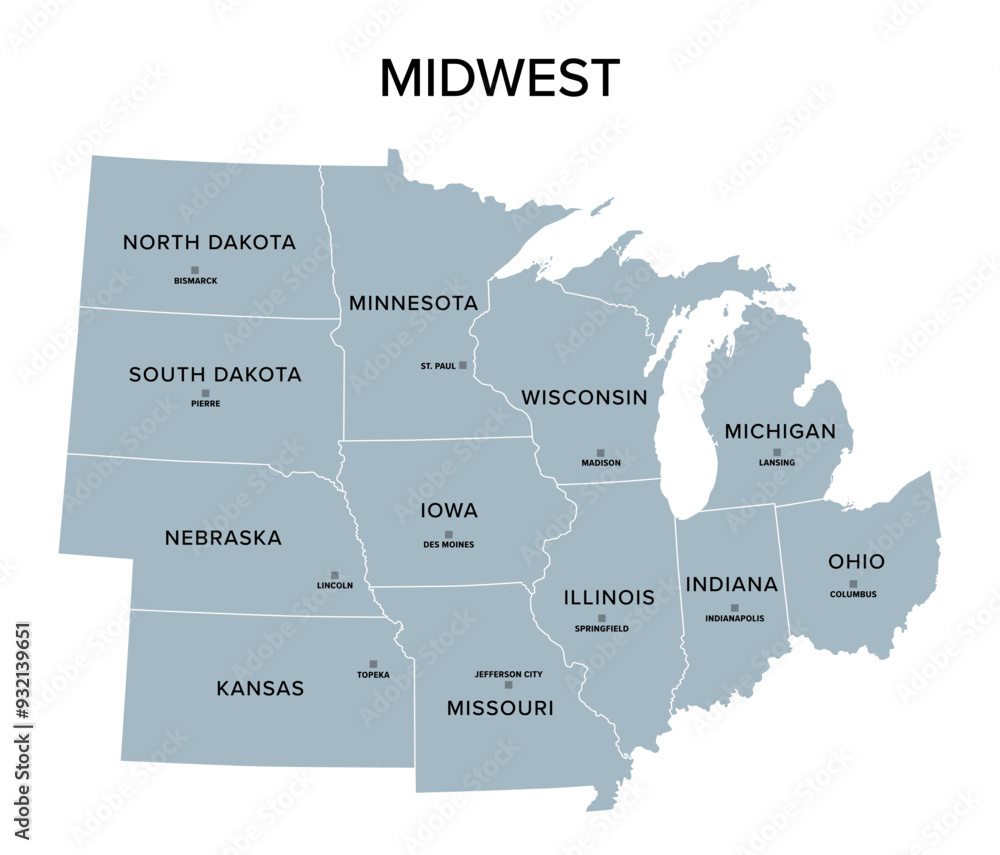
Midwest radio death notices remain a vital community lifeline, broadcasting final farewells and essential service details across rural towns and agricultural regions. For decades, local stations have set aside daily programming windows to read obituaries, memorial services, and funeral arrangements aloud to listeners tuning in from farm kitchens and pickup trucks. This practice connects dispersed populations where daily newspapers don't always reach every household immediately. You can trace this tradition back to the early days of regional broadcasting, when radio served as the single fastest electronic communication tool available to isolated families.
When a community member passes away in regions served by stations like The Library of Congress history archives or similar regional broadcasters, sharing the news quickly matters immensely. Families face immense grief, and organizing logistics requires reaching neighbors, distant relatives, and community members who might miss printed notices. Local radio fulfills this need by delivering real-time auditory announcements that feel personal and immediate. It's a method grounded in shared humanity, offering comfort through the familiar voices of local announcers who often knew the deceased or their family personally.
The Evolution of Radio Obituaries in the American Heartland
Radio broadcasting changed forever when independent stations began serving small-town America in the mid-twentieth century. Before widespread internet access or even universal daily newspaper delivery, regional stations became the central nervous system for local news. Death notices carved out specific daily time slots, often right after morning farm reports or local weather updates. People didn't just listen for entertainment; they tuned in specifically to hear who had passed away, keeping tabs on friends, former classmates, and neighbors.
The format of these broadcasts evolved over time while retaining its core simplicity. Announcers read names, ages, hometowns, surviving family members, and the exact times and locations for visitations and funeral services. You'll find that many stations still maintain this routine, even as digital websites and social media platforms try to claim a monopoly on local news. Older residents rely heavily on these broadcasts because it's a habit formed over a lifetime. They don't have to navigate confusing social media feeds or pay subscription fees to read a local paper online.
How Local Stations Handle Death Notices Today
Modern radio stations balance tradition with digital integration. While announcers still read notices on-air during designated obituary segments, stations frequently publish the same text on their official websites. This dual approach ensures that younger family members can share the link online while older generations catch the broadcast on their kitchen radios. Stations typically partner with local funeral homes, which submit verified information directly to the newsroom to prevent errors or pranks.
Submitting a notice to a regional station involves specific steps. If you're coordinating arrangements, here's how the process generally works:
- Contact the local funeral home handling the arrangements and ask if they submit notices to local radio stations.
- Provide the verified details, including the full name of the deceased, age, city of residence, service times, and designated memorial charities.
- Confirm the daily broadcast schedule so you know when family and friends should tune in to hear the announcement.
- Check the station's website or social media channels to see if they publish a written copy of the radio script for sharing.
Radio staff verify every detail before it goes on air because accuracy is critical during sensitive moments. A mistake in a service time or a misspelled name causes immediate distress for grieving families. Because of this high standard, stations rarely accept direct submissions from individuals without funeral home verification.
Psychological Comfort and the Power of the Human Voice
Reading words off a screen feels cold compared to hearing a trusted local voice speak the name of someone who shaped a community. The human voice carries tone, empathy, and gravity that written text on a digital display simply cannot replicate. When an announcer reads a death notice, they do so with a steady, respectful cadence that commands attention and invites collective mourning.
This auditory tradition fosters a unique form of collective grief. In a tight-knit rural county, everyone knows someone connected to the deceased. Hearing the announcement on the radio turns a private loss into a shared community experience. Neighbors stop what they're doing, lower their car volume, or pause work in the fields to listen. It's a moment of collective pause that honors a life lived within the local area.
Common Mistakes When Submitting Radio Notices
Navigating the logistics of funeral planning under pressure leads to common errors that delay or complicate radio broadcasts. Avoiding these mistakes ensures the announcement goes out smoothly.
- Waiting too long to contact the station or funeral director, which can cause the notice to miss the designated daily broadcast window.
- Submitting unverified or incomplete details, such as missing the specific address of the church or funeral home.
- Forgetting to include preferred memorial donation instructions, forcing listeners to call funeral homes directly for information.
- Assuming digital social media posts replace the need for traditional radio broadcasts among older local populations.
Clear communication prevents confusion. Double-check every detail with the funeral director before transmitting the text to the radio station's news desk.
Frequently Asked Questions
Why do people still listen to radio death notices when the internet exists?
Many rural areas have older populations who prefer traditional media, and radio reaches people working outdoors, driving tractors, or living in locations with poor broadband internet access. The medium offers a comforting, human element that digital screens lack.
Do radio stations charge a fee to broadcast death notices?
Most traditional community stations air standard death notices as a public service free of charge, though some commercial stations might charge a small fee if the notice includes extended personal tributes or commercial advertising elements.
How many times a day do stations read these notices?
Broadcast frequency depends on the station size and format. Smaller rural stations often air notices two or three times daily—typically during morning, noon, and evening news blocks—while larger regional networks might integrate them into specific obituary programs.
What information is typically included in a broadcast?
Announcements generally cover the full name, age, city of residence, date of passing, surviving immediate family members, and the complete schedule for viewings, funeral services, and burial locations.


