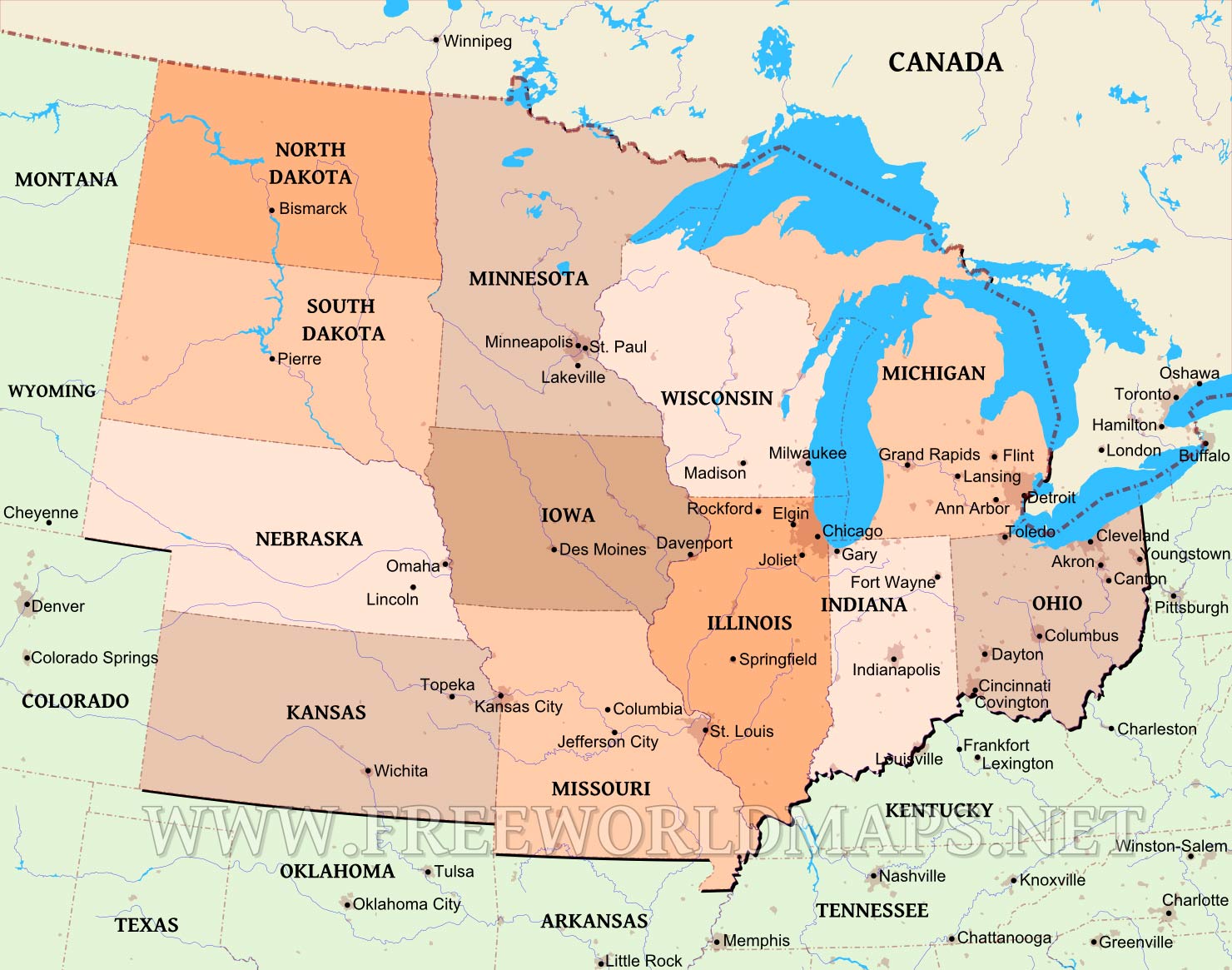
Midwest emo represents a stylistic shift away from the aggressive hardcore punk roots of early emotional hardcore, favoring clean, interlocking guitar arpeggios, open tunings, and confessional lyrics. Originating in the American Midwest during the early-to-mid 1990s, particularly in cities like Chicago, Champaign-Urbana, Milwaukee, and Kansas City, this subgenre traded shouted angst for vulnerable storytelling and technical, melodic interplay.
Understanding this movement means looking past casual internet memes and examining how regional DIY networks, college radio, and specific guitar innovations built a lasting indie rock blueprint.
The Regional Roots and Geography of the Sound
The geographic boundaries of the movement weren't accidental. Independent rock communities across the American Midwest shared tiny basement venues, DIY record stores, and college radio stations that fostered experimentation. While Washington D.C. and New York shaped the first wave of emotional hardcore, the Midwest refined the second wave by softening the distortion and focusing on complex guitar arrangements.
In Champaign-Urbana, Illinois, bands like Braid and American Football formed within close-knit college circles. Chicago acted as another central hub, anchored by the chaotic, genre-blurring energy of Cap'n Jazz, formed by brothers Tim and Mike Kinsella. Meanwhile, scenes in Milwaukee, Madison, and Kansas City supported bands that rejected commercial polish in favor of raw, localized community. Labels like Polyvinyl and small cassette-tape distributors documented a network of touring bands that crashed on floors and played to fifty people in cramped basements.
The Musical DNA: Why Midwest Emo Sounds Different
If you want to spot a Midwest emo track within five seconds, listen to the guitars. Players abandoned standard barre chords in favor of open and alternate tunings like DADDAD or DADF#AD, which allowed strings to ring out with open, consonant intervals such as add9 and sus2 chords.
- Interlocking Arpeggios: Two guitarists weave independent melodic lines around each other rather than playing rhythm chords behind a lead solo.
- Dynamic Restraint: Songs shift quietly from whispered verses into explosive, full-band crescendos before dropping back down to absolute silence.
- Conversational Vocals: Singers don't belt from an operatic stage; they sound like they're talking directly to you from across a kitchen table, often relying on double-tracked vulnerability or slight voice cracks.
- Rhythmic Asymmetry: While tempos stay mid-tempo (roughly 90 to 140 BPM), bands frequently inject syncopated rhythms or odd time signatures borrowed from math rock.
The Enduring Icons and Definitive Releases
A handful of releases cement the foundation of the genre. Without them, modern indie rock and math rock would sound entirely different.
Cap'n Jazz – Burritos, Inspiration Point, Fork Balloon Sports, Cards In... (1995) This collection captures the frantic, unpredictable genesis of the movement. Tim Kinsella’s lyrics blur poetry and stream-of-consciousness diary entries, while the music races between punk velocity and intricate guitar interplay.
American Football – American Football (1999) Recorded in Champaign, Illinois, this self-titled release remains the gold standard of the genre. Featuring shimmering clean tones, muted trumpet lines, and complex time signatures, songs like "Never Meant" transformed bedroom introspection into a timeless blueprint. The house featured on the album cover in Urbana became a literal pilgrimage site for fans worldwide.
The Promise Ring – Nothing Feels Good (1997) Hailing from Milwaukee, this record proved the genre could embrace soaring pop hooks without losing its emotional core. It injected vibrant energy and communal sing-alongs into the regional template, inspiring a generation of pop-punk and indie bands.
You can explore comprehensive press archives and historical retrospectives on platforms like Pitchfork to trace how these independent releases slowly transitioned into recognized milestones of alternative music history.
The Emo Revival and Beyond
While many seminal 90s bands broke up before the turn of the millennium, the subgenre didn't die. In the late 2000s and 2010s, a massive internet-driven movement known as the "emo revival" took shape. Underground scenes sprouted in Philadelphia, Chicago, and the UK, led by groups like Algernon Cadwallader, Tigers Jaw, Modern Baseball, and Into It. Over It.
This fourth wave updated the formula with modern recording gear while keeping the foundational DIY spirit intact. Bandcamp, Reddit communities, and specialized independent labels like Topshelf Records allowed geographically scattered fans to build a global community around localized sounds. Today, those guitar loops and confessional structures echo through modern bedroom pop, indie folk, and hip-hop fusions, proving that the genre's regional roots blossomed into a permanent fixture of modern alternative culture.
Frequently Asked Questions
Is Midwest emo only made by bands from the Midwest?
Not anymore. While the foundational bands originated in states like Illinois, Wisconsin, and Kansas during the 1990s, the stylistic trademarks—like twinkly open-tuning arpeggios and conversational vocals—spread globally. Bands from Pennsylvania, Japan, the UK, and Europe actively participate in and shape the genre today.
What is the difference between regular emo and Midwest emo?
Regular emo shares roots with 1980s hardcore punk and often features heavier distortion, aggressive delivery, and direct lineage to post-hardcore. Midwest emo specifically emphasizes clean, fingerpicked guitar melodies, math-rock-adjacent structures, and softer, deeply reflective lyricism.
Why do Midwest emo albums often feature suburban houses on their covers?
Visual aesthetics in the genre lean heavily into mundane, nostalgic imagery—empty suburban streets, midwestern autumn leaves, basements, and ordinary houses. This imagery reinforces themes of suburban isolation, youth, and the quiet melancholy of small-town or college-town life.
How do guitarists achieve the classic Midwest emo tone?
Players typically use single-coil pickups (like a Fender Telecaster or Stratocaster) plugged into clean tube amplifiers with a touch of compression, chorus, or light delay. High-gain distortion is generally avoided to ensure every individual note in an arpeggio remains crystal clear.


