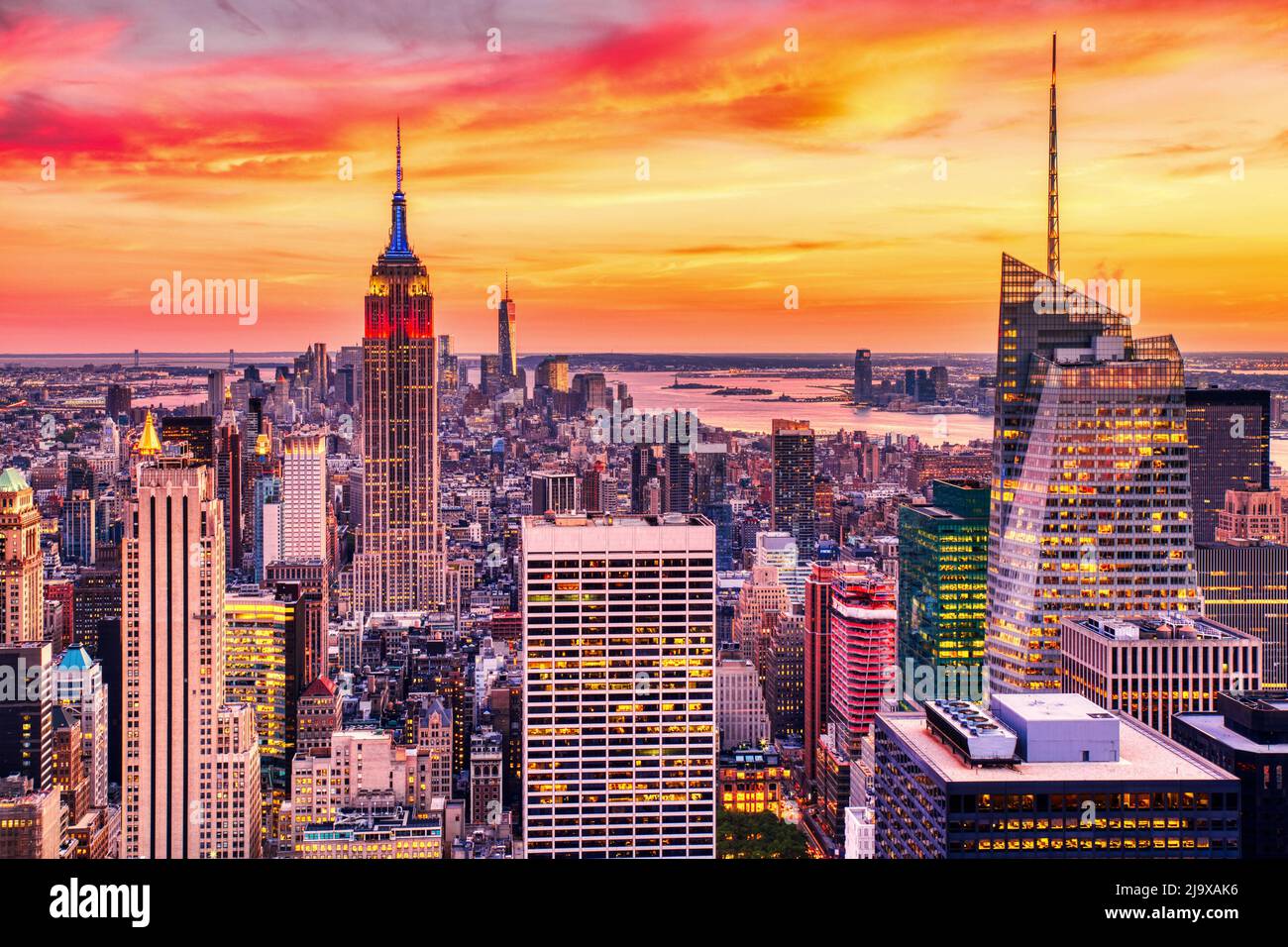
Zip code 10018 covers a hyper-dense, high-energy slice of Midtown Manhattan, stretching roughly from 34th Street to 42nd Street between Fifth Avenue and the Hudson River. This grid square packs corporate skyscrapers, the Garment District, transportation mega-hubs, and thousands of residential units into less than a square mile. If you're trying to understand how commercial muscle and urban living coexist in New York City, 10018 serves as a textbook case study.
Understanding this specific postal zone requires looking past the tourist sheen of Times Square to examine zoning laws, transit dependencies, real estate shifts, and daily logistics. Let's break down what makes 10018 tick, how its boundaries operate, and what living or working here actually involves.
Geographic Boundaries and Core Layout
Postal codes in Manhattan don't always align cleanly with neighborhood lines, and 10018 is a classic example of this administrative overlay. Its official boundaries sit between 34th Street on the south and 42nd Street on the north, stretching westward from Fifth Avenue toward the Hudson River piers (including segments near Hudson Yards and the Javits Center).
Because it encompasses the northern edge of the Garment District and spills into Midtown South, the area features a sharp architectural contrast. Century-old loft buildings where apparel manufacturing once dominated sit directly beside modern high-rise commercial towers and converted residential condominiums.
Navigating this grid relies entirely on the Commissioner's Plan of 1811. Numbered streets run east-west, while avenues run north-south. Yet, pedestrian congestion here routinely defies simple navigation, particularly around the transit funnels of Eighth Avenue and the perimeter of Bryant Park.
The Economic and Industrial Ecosystem
While thousands call the area home, 10018 functions primarily as a financial, fashion, and media engine. Commercial real estate in this zone commands some of the highest per-square-foot rates in North America, driven by proximity to major transit arteries like Penn Station and the Port Authority Bus Terminal.
The Garment District Heritage
Historically, 10018 was synonymous with the American fashion industry. In the mid-20th century, a massive share of women's clothing produced in the United States was cut, sewn, and sold within these exact blocks. While global manufacturing shifts altered this landscape, the neighborhood retains vital remnants of the trade. Specialized button shops, fabric suppliers, and pattern makers still operate out of upper-floor commercial lofts, supporting independent designers and major labels alike.
Corporate Headquarters and Media
Beyond fashion, corporate offices, accounting firms, advertising agencies, and tech startups populate the towers lining Broadway and Seventh Avenue. The area benefits from a continuous influx of white-collar professionals who commute daily via regional rail lines, filling local coffee shops, fast-casual lunch spots, and after-work bars.
Residential Real Estate and Daily Life
Living in 10018 means embracing constant motion. For decades, this zone was viewed strictly as a 9-to-5 commercial district that emptied out after dark. However, zoning changes and adaptive reuse projects have turned former office buildings and manufacturing lofts into luxury co-ops and rental apartments.
Residential pockets, particularly closer to Bryant Park or along the western edges near Hudson Yards, attract residents willing to pay premium prices for unmatched urban convenience.
Housing Typologies
- Pre-War Loft Conversions: High ceilings, large windows, and open floor plans originally designed for manufacturing, now converted into high-end residential units.
- Mid-Century Rental Buildings: Elevator buildings constructed in the post-war boom offering smaller apartments with doorman services.
- Modern Luxury Towers: Newly developed glass high-rises featuring amenities like fitness centers, rooftop terraces, and 24-hour concierge desks.
Parks and Public Space
Green space is scarce in Midtown, making Bryant Park—situated at the eastern edge of 10018—an indispensable backyard for the neighborhood. It hosts seasonal events, an outdoor ice-skating rink in the winter, and thousands of lunchtime workers seeking fresh air during warmer months. The New York Public Library main branch sits adjacent to the park, anchoring the intellectual life of the district.
Transit Infrastructure and Logistics
No discussion of 10018 is complete without examining its transit infrastructure. This zip code houses or borders some of the busiest transportation hubs in the Western Hemisphere, moving millions of people daily.
Major Transit Hubs
- Times Square-42nd Street Station: A massive subway complex servicing the 1, 2, 3, 7, N, Q, R, W, and S lines, handling hundreds of thousands of daily riders.
- Penn Station: Located at the southern border of the zip code, it connects Amtrak, Long Island Rail Road (LIRR), New Jersey Transit, and multiple subway lines.
- Port Authority Bus Terminal: Situated on Eighth Avenue and 42nd Street, it acts as the primary interstate bus gateway into Manhattan.
This concentration of transit makes commuting straightforward for residents and workers coming from outer boroughs or neighboring states. At the same time, it creates persistent street-level congestion, delivery truck bottlenecks, and pedestrian overflow on sidewalks. The New York City Department of Transportation continuously experiments with pedestrian plazas and delivery windows to manage this constant friction.
Frequently Asked Questions
What neighborhoods are covered by zip code 10018?
Zip code 10018 primarily covers the Garment District, parts of Midtown South, and the southern edge of the Times Square area, bounded roughly by 34th and 42nd Streets between Fifth Avenue and the Hudson River.
Is 10018 considered a safe area to live?
Like most of Midtown Manhattan, 10018 experiences high foot traffic and heavy police presence, making public spaces generally secure. However, property crime like pickpocketing can occur in crowded tourist zones, and residents deal with standard urban challenges related to noise and homelessness.
How has the Garment District changed in recent years?
While traditional apparel manufacturing has contracted due to global competition, the district remains a global hub for fashion design, wholesale showrooms, and specialty textile suppliers, alongside a growing influx of tech and media offices.
What are the closest major green spaces for residents in 10018?
Bryant Park serves as the primary neighborhood green space, offering lawns, reading rooms, and seasonal programming. Hudson River Park is also easily accessible a short walk to the west.


