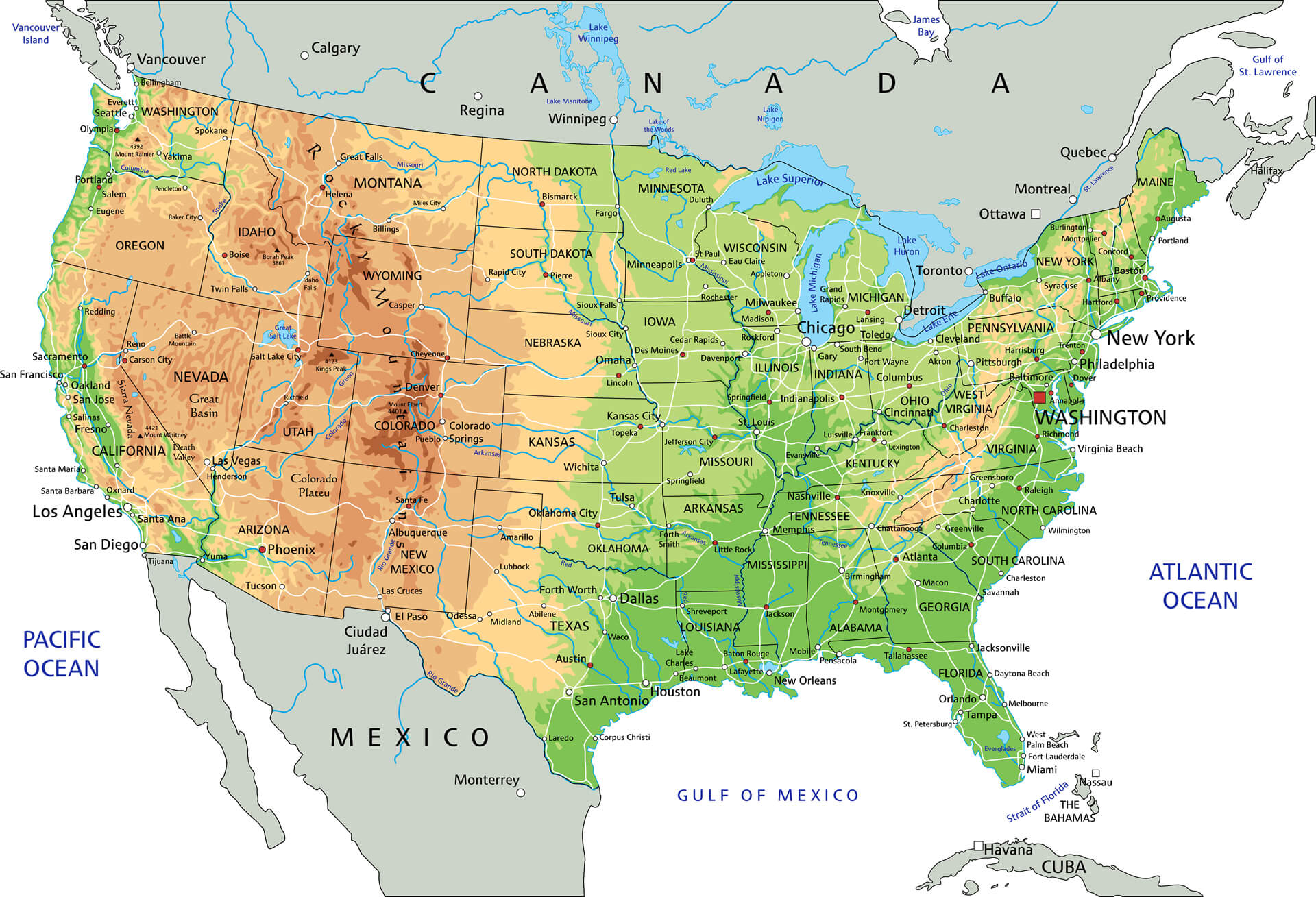
Midterm elections shape the balance of power in Washington by deciding every seat in the House of Representatives and roughly one-third of the Senate. These contests serve as a vital referendum on the sitting president's administration, often shifting legislative momentum midway through a four-year term.
Voter engagement in these cycles has evolved significantly, driven by shifting demographics, early voting expansions, and high-stakes national debates. Understanding how midterms function requires looking past nightly news updates to examine structural mechanics, historical trends, and long-term consequences for American governance.
Understanding the Midterm Cycle
Every two years, Americans head to the polls, but congressional midterms carry distinct political dynamics compared to presidential election years. Presidential cycles draw higher overall participation because of the top-of-ticket race for the White House. Midterms historically suffer from lower turnout, though recent cycles have shattered old expectations.
All 435 voting seats in the House of Representatives are up for election every two years, meaning every single district representative faces accountability. Senators serve staggered six-year terms divided into three classes, ensuring that roughly 33 or 34 Senate seats are contested during any given midterm cycle. Additionally, numerous gubernatorial races, state legislature seats, and local ballot initiatives are decided on the same ballot, giving voters immense localized influence.
The Historical Incumbent Penalty
A defining feature of U.S. midterms is the historical tendency for the party occupying the White House to lose seats in Congress. Political scientists attribute this pattern to voter fatigue, frustration with economic realities, and out-of-power mobilization.
- The opposition party usually channels discontent into grassroots organizing.
- Presidential approval ratings heavily influence down-ballot momentum.
- Mid-decade redistricting battles frequently alter district competitiveness.
Exceptions do occur, such as when major national crises or galvanizing Supreme Court decisions alter traditional voting behavior, allowing the incumbent party to buck historical trends.
The Mechanics of Voter Turnout and Early Voting
Recent midterm cycles transformed how Americans cast ballots. The rapid expansion of mail-in voting, no-excuse absentee voting, and extended in-person early voting windows shifted participation patterns nationwide.
Millions of citizens now cast ballots weeks before Election Day, altering campaign strategy and resource allocation. Campaigns no longer focus solely on a single day of mobilization; instead, they run multi-week operations designed to bank votes early. This shift stabilizes total turnout metrics and reduces bottlenecks at polling places on election night.
You can track historical participation data and detailed demographic breakdowns through resources like the Pew Research Center. Official election administration guidelines and state-by-state rules are managed locally, with structural overviews available via the U.S. Election Assistance Commission.
Mobilization and Grassroots Impact
Modern campaigns rely heavily on data-driven voter targeting. Field offices, digital ad buys, and volunteer phone banks work in tandem to contact registered voters who might otherwise skip midterm contests. Youth turnout, suburban voting blocs, and independent voters routinely decide close races in battleground states.
Key Factors That Determine Midterm Outcomes
Economic Pressures and Inflation
Voters consistently rank the economy as a top priority. Inflation rates, gas prices, and cost-of-living metrics heavily influence how citizens evaluate incumbent leadership. When household budgets tighten, voters frequently express dissatisfaction by supporting opposition candidates.
Local Issues Versus Nationalized Messaging
While national figures often dominate campaign advertisements, local issues dictate outcomes in specific congressional districts. Water rights in the West, agricultural policy in the Midwest, and industrial transition in the Rust Belt create distinct electoral dynamics that national polling can miss.
Redistricting and Electoral Maps
Every ten years, following the census, congressional districts are redrawn. These new boundaries change the partisan lean of individual seats, making some districts safe for one party while turning others into hyper-competitive battlegrounds.
Frequently Asked Questions
Why do midterm elections have lower turnout than presidential elections?
Presidential campaigns command massive media coverage and national emotional investment, drawing casual voters to the polls. Midterms lack a presidential contest at the top of the ticket, which historically depresses participation among low-propensity voters, though recent cycles have narrowed this gap.
How are Senate seats divided for elections?
The 100 U.S. senators are divided into three classes so that approximately one-third of the Senate is up for election every two years. Each senator serves a six-year term, providing legislative continuity.
What is a congressional referendum election?
Political analysts often call midterms a referendum because voters use their ballots to either reward or punish the sitting president's handling of the economy, foreign policy, and domestic legislation.
Can a president's party still control Congress after a midterm?
Yes. While history shows that the president's party frequently loses seats, efficient map-drawing, localized candidate strength, or favorable economic conditions can occasionally allow the incumbent party to retain or even expand its legislative majorities.


