The weather in colonial North America dictated survival long before markets or laws ever did. While New England fought rocky soil and long winters, and the Deep South battled humidity and swamp-born fevers, the region wedged in between found a different path. The climate in the Middle Colonies—encompassing New York, New Jersey, Pennsylvania, and Delaware—hit a sweet spot. Mild winters, a dependable growing season, and fertile river valleys changed everything for early settlers.
Weather shaped the entire trajectory of this region, turning it into the agricultural engine of the British colonies. Settlers didn't just scrape by here; they produced massive agricultural surpluses that fed neighboring regions and fueled transatlantic trade. Understanding how this specific climate operated reveals why these four colonies grew so fast and why they became known as the breadbasket of America.
Understanding the Middle Colonies Climate
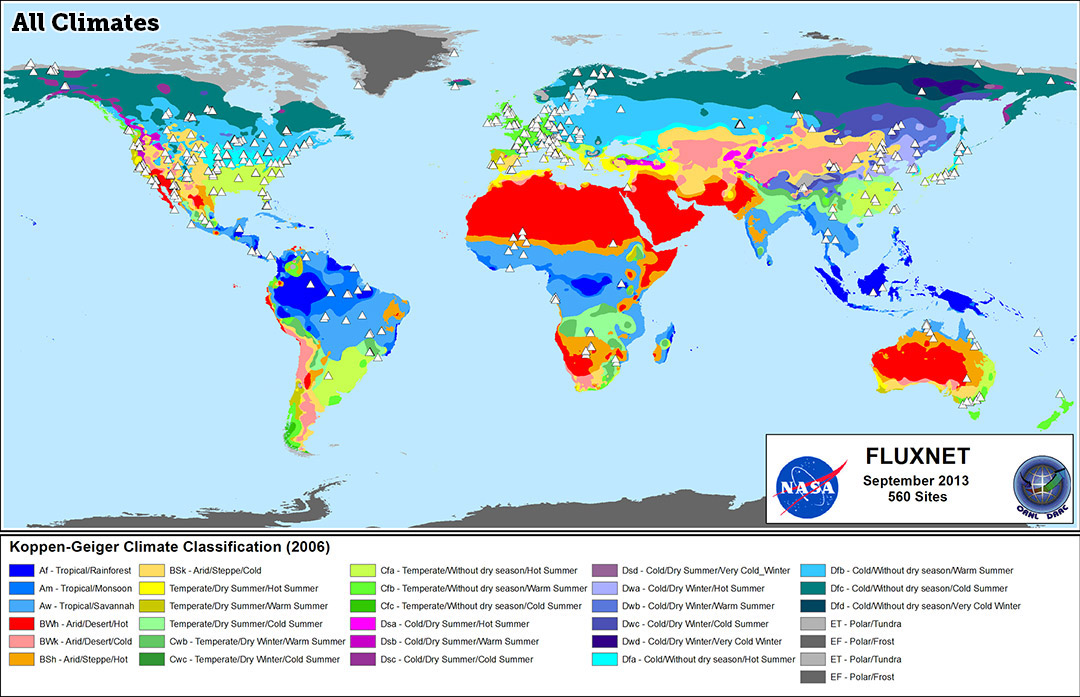
Geography dictated the weather patterns across the Mid-Atlantic. Bounded by the Atlantic Ocean to the east and shielded somewhat by the Appalachian Mountains to the west, the region experienced a humid continental climate with distinct seasonal shifts. Summers stayed warm and humid, while winters brought snow and freezing temperatures, though rarely matching the brutal, prolonged deep freezes found further north in Massachusetts or Maine.
Precipitation remained remarkably steady year-round, averaging between forty and fifty inches annually. This consistent rainfall removed the constant existential threat of severe summer droughts that plagued parts of the southern plantation economy. Rivers like the Hudson, Delaware, and Susquehanna never froze solid for too much of the winter, keeping waterways open for transport while providing regular seasonal flooding that deposited rich alluvial silt onto adjacent floodplains.
The Growing Season Advantage
The frost-free growing season lasted roughly six to seven months, running from late April through mid-October. This window gave farmers plenty of time to plant, cultivate, and harvest their crops without racing against an early September frost.
- Spring: Arrived dependably in April, allowing soil to thaw and dry enough for early plowing.
- Summer: Brought consistent warmth and regular thunderstorms, keeping crops hydrated during peak development.
- Autumn: Offered dry, crisp conditions ideal for harvesting and storing grains before winter storms arrived.
How Weather Shaped Agriculture and the Breadbasket Economy
Because the climate supported a diverse range of crops, agriculture in the Middle Colonies looked very different from the single-crop plantation systems of Virginia or the subsistence farming of New England. Farmers planted traditional European grains alongside indigenous crops, discovering quickly that wheat thrived better here than anywhere else in British North America.
Wheat became king. Unlike corn, which required tedious processing, or tobacco, which exhausted the soil, wheat could be grown extensively, harvested, and milled into flour that kept well during long sea voyages. Pennsylvania and New York farmers reaped massive harvests, earning the region its famous nickname: the breadbasket colonies.
Crop Diversity Beyond Wheat
Farmers didn't put all their eggs in one basket. The varied terrain and moderate weather allowed for a diverse polyculture approach that protected communities from total crop failure.
- Rye and Barley: Planted as winter cover crops, these grains survived cold snaps and provided early spring food for livestock and humans alike.
- Corn: Adopted from Native American agricultural practices, corn yielded high caloric returns and served as both animal feed and human sustenance.
- Livestock: Milder winters meant cattle, pigs, and sheep didn't need massive, heavily insulated barns for the entire winter, reducing the labor and capital required to maintain herds.
Settlement Patterns and Demographic Shifts
The hospitable climate directly influenced where and how people settled. In New England, rocky soil forced townships to stay compact and close to meetinghouses. In the South, humid lowlands and cash-crop economics drove the creation of sprawling, isolated plantations reliant on forced labor.
The Middle Colonies developed a mixed settlement pattern defined by moderate-sized family farms, bustling market towns, and rapidly growing port cities like Philadelphia and New York. Immigrants from Germany, the Netherlands, Scotland, and England flooded into the region because the land offered immediate, tangible economic viability. You didn't need elite wealth to buy a tract of land and grow a profitable harvest; you just needed a strong back and a willingness to work the fertile soil.
The Rise of Market Towns
Reliable weather meant predictable surpluses. Once farmers harvested more grain than their families could consume, they needed a place to sell it. This drove the growth of inland market towns situated at river junctions and crossroads. Places like Lancaster and Trenton emerged as vibrant commercial hubs where farmers traded grain for imported goods, iron tools, and textiles.
Environmental Impacts of Colonial Farming
The very weather that made the region successful also contributed to early environmental degradation. Heavy autumn rains and spring thaws, combined with intensive plowing, caused significant soil erosion across the rolling hills of Pennsylvania and New Jersey.
Without modern soil conservation techniques, centuries-old root systems were torn up, leaving topsoil exposed to wind and water runoff. While the region felt incredibly fertile at the time, this intensive grain farming quietly depleted natural soil nutrients, forcing later generations of farmers to experiment with crop rotation and early fertilizers.
Frequently Asked Questions
What made the Middle Colonies climate different from New England?
The Middle Colonies enjoyed a longer growing season, milder winters, and more reliable precipitation. New England suffered from rocky, thin soil and a much shorter frost-free period, which limited large-scale commercial crop farming.
Why was wheat the primary cash crop in this region?
Wheat thrived in the temperate climate and rich, well-draining soil of the river valleys. Furthermore, flour kept much longer than fresh produce or meat, making it an ideal export commodity for shipping to the West Indies and Europe.
Did severe weather ever disrupt the Middle Colonies economy?
Yes. While generally temperate, the region experienced severe winter blizzards, occasional late spring frosts that ruined fruit blossoms, and tropical storm remnants moving up the coast that could flatten mature grain fields right before harvest.
How did the climate influence the kinds of immigrants who settled there?
Farmers from northern and central Europe—particularly German Palatines and Scotch-Irish settlers—recognized a climate and landscape similar to their homelands. They brought specialized agricultural knowledge that integrated smoothly with the regional weather patterns.



