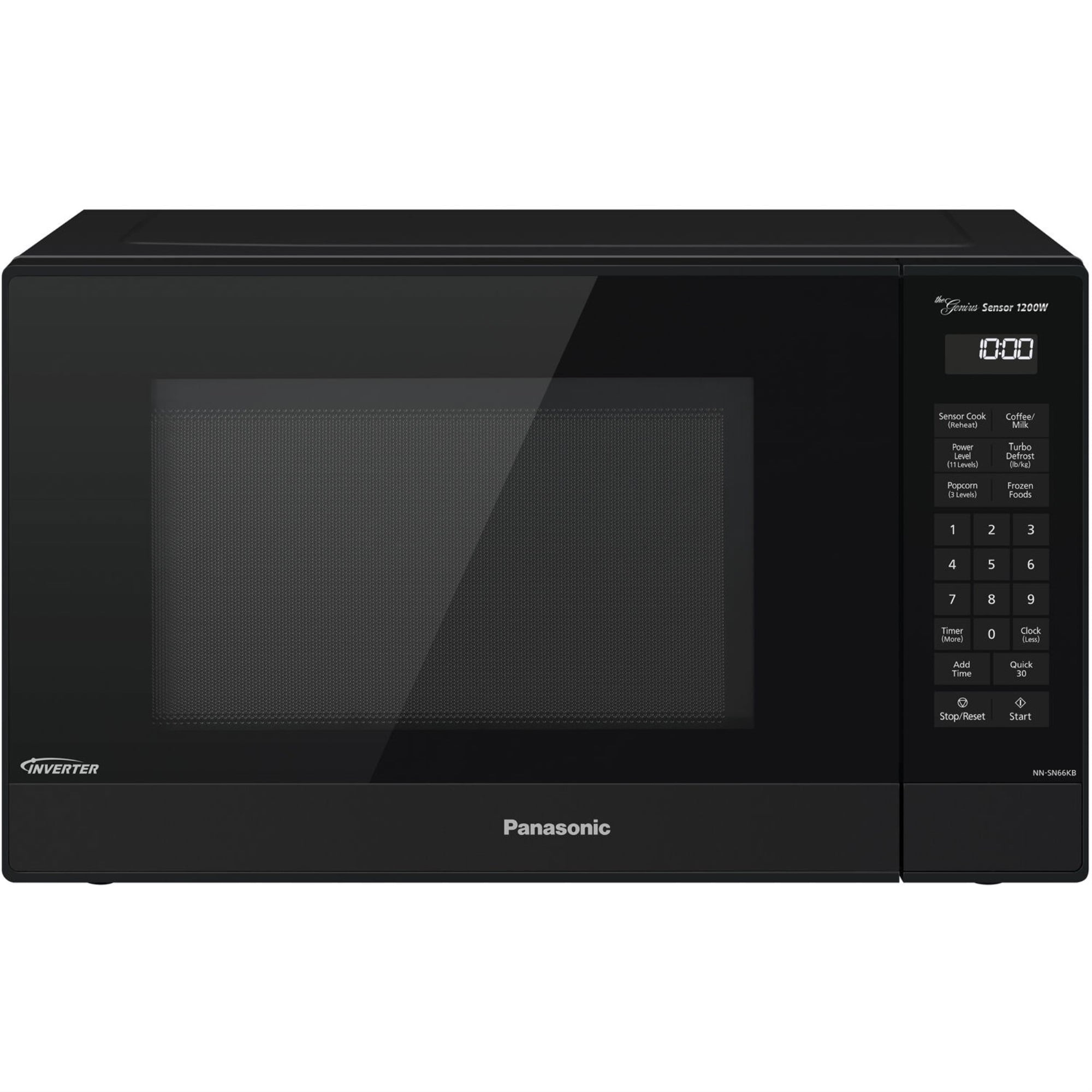
Ever pushed your face against the microwave glass to watch a bag of popcorn pop? Most of us have done it, followed by a fleeting thought about invisible waves leaking into our kitchens. Persistent worries about kitchen radiation and health risks refuse to disappear. Let's look past the urban legends and examine the actual physics behind these common appliances.
Microwave ovens are completely safe when used correctly, and they don't emit harmful radiation that can damage human cells. The fears stem from a basic misunderstanding of how non-ionizing radiation works. Modern kitchen appliances use tight physical barriers and strict engineering controls to keep all energy securely inside the metal cooking cavity.
The Physics of Kitchen Microwaves
To understand why your microwave won't harm you, it helps to look at the terminology. The word radiation often triggers alarm bells because people associate it with nuclear fallout or medical X-rays. Those are forms of ionizing radiation, meaning they carry enough energy to strip electrons from atoms and break chemical bonds in DNA.
Microwaves operate entirely differently. They use non-ionizing radiation, which lacks the energy to alter molecular structures. Inside your appliance, a component called a magnetron generates radiofrequency waves at a frequency of about 2.45 gigahertz. These waves cause water, fat, and sugar molecules in your food to rotate rapidly through a process called dielectric heating. That molecular friction creates heat, cooking the food from the inside out.
Visible light, radio signals, and Wi-Fi networks also rely on non-ionizing radiation. They differ only in frequency and power output. The energy inside a running microwave stays strictly confined to the sealed metal box.
Engineering Safeguards and Leakage Limits
Manufacturers treat microwave ovens as high-security containment units. Multiple overlapping safety features ensure that energy cannot escape during a normal cooking cycle.
- Interlock switches: Most units feature a series of two or three independent door latches that cut power to the magnetron the exact millisecond the door opens.
- Metal mesh screens: The perforated metal panel embedded in the glass door acts as a shield. The holes are small enough to block 2.45-gigahertz waves while letting visible light pass through.
- Faraday cage construction: The interior steel cavity reflects waves inward, preventing any stray energy from leaking into your kitchen.
Regulatory bodies like the U.S. Food and Drug Administration (FDA) set rigid manufacturing thresholds. Under federal regulations, microwave ovens cannot leak more than 5 milliwatts of microwave radiation per square centimeter at a distance of about two inches. That limit sits roughly 50 times lower than the threshold where scientists observe any biological effects in laboratory testing.
Common Myths About Kitchen Radiation
Misinformation spreads quickly online, turning standard kitchen appliances into sources of unnecessary anxiety. Let's clear up the most widespread myths.
Microwaves Make Food Radioactive
This is completely false. Because microwave energy is non-ionizing, it cannot alter atomic nuclei or leave behind residual radiation. Once you turn off the appliance, the energy vanishes instantly, leaving only heated food molecules behind.
Standing Close Causes Cancer
Many people believe that standing near a running microwave exposes them to hidden danger. In reality, radiofrequency energy drops off sharply with distance through an inverse-square law. Even if a tiny fraction of a percent escapes a worn seal, stepping back just one foot reduces your exposure to practically zero.
Nutrients Are Completely Destroyed
Critics often claim that microwaving destroys the nutritional value of food. Studies show the exact opposite. Because microwave cooking happens fast and often requires little to no added water, it preserves heat-sensitive vitamins—such as vitamin C—better than boiling or heavy steaming.
Practical Steps for Safe Operation
While healthy appliances pose zero risk, physical damage can compromise those built-in safety margins. You don't need to panic, but you should practice basic kitchen maintenance to keep your equipment in top shape.
- Keep door seals clean: Wipe away baked-on grease and food particles around the door frame so the latch closes flush every single time.
- Retire damaged units: If the door is warped, the hinges are loose, or the glass cracks, stop using the appliance immediately.
- Don't run it empty: Turning on an empty microwave causes the waves to bounce around without food to absorb them, which can eventually overheat and damage the magnetron.
- Skip metal containers: Stick to microwave-safe glass, ceramic, or labeled plastics to avoid electrical arcing and ruined cookware.
For more details on household safety standards, check guidelines from the World Health Organization.
Frequently Asked Questions
Can a microwave leak if the door is slightly dirty?
A thin layer of food splatter won't cause dangerous leaks. However, heavy crusts and grime can prevent the door from sealing tightly against the metal frame, which might allow minor leakage over time. Keep the seal wiped clean with warm soapy water.
Are older microwaves more dangerous than new ones?
Not necessarily, provided they are undamaged. Ovens built decades ago had to meet strict federal containment standards just like modern units do. The interlock systems and metal mesh screens have remained effective for generations.
Does plastic leach into food when microwaved?
Certain plastics can release chemicals like phthalates or BPA when heated. To stay safe, only use containers explicitly labeled as microwave-safe, or transfer your food onto ceramic plates before heating.
Why do manufacturers warn against running an empty microwave?
Without food or liquid inside to absorb the radiofrequency energy, the microwaves bounce continuously inside the metal cavity. This trapped energy can reflect back into the magnetron, overheating the component and burning out your appliance.



