Every microorganism operates within strict chemical boundaries. If you drop a bacterium into an environment outside its preferred acidity range, its cellular enzymes denature, its membrane transport stops, and growth halts. Understanding the microbial pH scale explains why food spoils in the fridge, how pathogens survive stomach acid, and why acid mine drainage teems with extremophiles.
Microbial growth depends directly on environmental hydrogen ion concentration. Most bacteria prefer neutral or near-neutral conditions, but specific strains have evolved mechanisms to pump protons across membranes, allowing them to colonize extreme environments ranging from pH 0 to pH 12.
The Mechanics of pH and Microbial Life
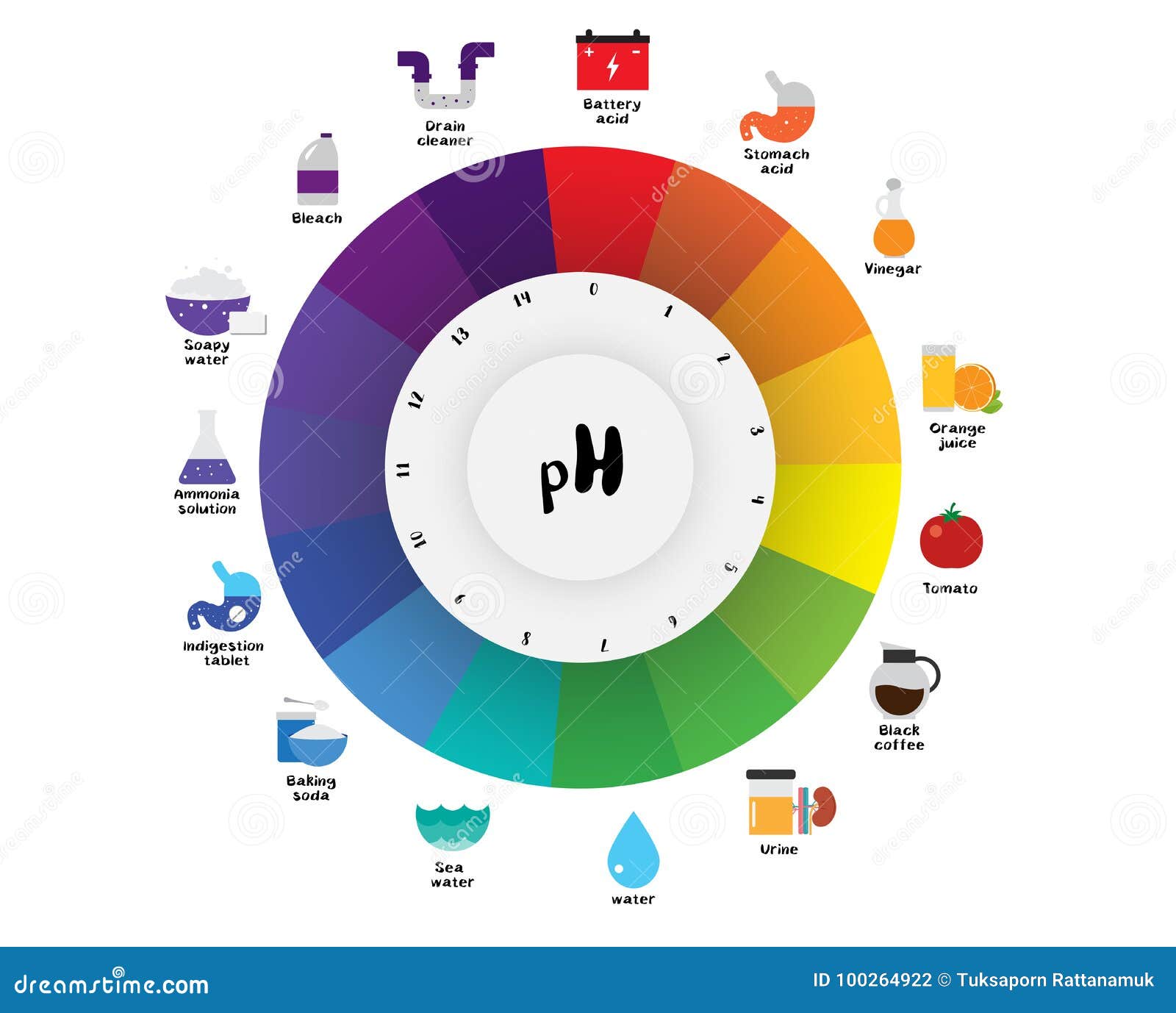
The pH scale measures hydrogen ion activity on a logarithmic scale from 0 to 14. Because the scale is logarithmic, each whole unit change represents a tenfold shift in acidity or alkalinity. A neutral environment sits at pH 7, where hydrogen and hydroxyl ions balance out.
Microorganisms don't control their internal pH through lungs or kidneys. Instead, they must maintain an internal cytoplasm pH near neutrality (usually between 5.5 and 8.0) regardless of external conditions. To survive outside this narrow internal comfort zone, they deploy specialized proton pumps, protective cell walls, and acid-resistant proteins.
Acidophiles: Surviving Low pH
Acidophiles thrive in environments with a pH below 5.5, and extreme acidophiles flourish below pH 3. These organisms encounter massive external proton pressure that threatens to flood their cells with positive charges.
To prevent cellular collapse, acidophiles rely on several structural adaptations:
- Membrane composition: Highly branched, saturated fatty acids that reduce proton permeability.
- Proton extrusion pumps: Active transport systems that continually expel excess hydrogen ions using ATP.
- Interior buffering: Cytoplasmic proteins often feature a surplus of negative surface charges to bind incoming protons.
You'll find these organisms in environments like geothermal hot springs, volcanic soils, and industrial acid mine drainage sites. For example, Acidithiobacillus ferrooxidans oxidizes iron and sulfur compounds in environments with a pH dropping below 1.0.
Neutrophiles: The Standard Pathogens
Most bacteria—including many common human pathogens—are neutrophiles. They grow best in neutral environments where the pH ranges from 5.5 to 8.0. Blood, tissue fluids, and fresh water typically fall into this bracket, making them prime real estate for microbial colonization.
Pathogenic bacteria like Escherichia coli, Salmonella, and Staphylococcus aureus operate efficiently at physiological pH levels near 7.4. When these organisms encounter shifts outside their optimal window, their metabolic rates drop sharply. Food preservation techniques like pickling or fermentation exploit this vulnerability by introducing organic acids that crash local pH levels, stopping pathogenic bacteria from multiplying.
Alkaliphiles: Thriving in High pH
Alkaliphiles grow optimally at pH 8.5 to 11.5 or higher. These organisms face the opposite chemical challenge of acidophiles: a scarcity of external hydrogen ions makes it difficult to drive cellular processes like ATP synthesis that rely on proton gradients.
Instead of a proton gradient, alkaliphiles often use sodium ion ($Na^+$) gradients to power their cellular machinery. They pump sodium ions out of the cell and let them flow back inward to drive nutrient transport and flagellar rotation. You can isolate these microorganisms from soda lakes, carbonate-rich soils, and detergent-manufacturing runoff zones. Bacillus alcalophilus, for instance, thrives in high-alkalinity soils by maintaining an internal cellular pH significantly lower than its hostile external surroundings.
Microbial Classification by pH Tolerance
| Classification | Optimal pH Range | Typical Environment Example |
|---|---|---|
| Extreme Acidophile | 0.0 – 3.0 | Acid mine drainage, sulfur springs |
| Moderate Acidophile | 3.0 – 5.5 | Forest soils, acidic fruit surfaces |
| Neutrophile | 5.5 – 8.0 | Human blood, milk, fresh lakes |
| Alkaliphile | 8.5 – 11.5 | Soda lakes, carbonate soils |
Environmental Factors Influencing Microbial pH
Microorganisms don't exist in a chemical vacuum. Several environmental variables interact with the pH scale to dictate whether bacteria grow or die off.
Temperature and Thermal Stress
Temperature shifts alter the ionization of water and alter how enzymes function within a cell. When an environment shifts away from a microorganism's optimal temperature, its tolerance for sub-optimal pH levels shrinks. A bacterium that survives a wide pH range at 25 degrees Celsius might struggle at 37 degrees Celsius under the same chemical stress.
Nutrient Availability and Metabolic Waste
Microbes actively modify their surrounding pH through their own metabolic processes. When bacteria ferment sugars, they produce organic acid byproducts such as lactic acid or acetic acid. This self-inflicted acidification lowers the ambient pH until the environment becomes toxic even to the bacteria that created it. This dynamic governs industrial fermentations like yogurt production, where Lactobacillus species acidify milk until competing spoilage microbes can no longer survive.
Water Activity and Osmotic Pressure
Salinity and dissolved solutes change how proteins fold and interact with ions. In high-salt environments like marine waters or salt flats, halotolerant microbes must balance osmotic stress alongside external pH pressures, requiring dual-adaptation strategies for survival.
Real-World Applications of Microbial pH Control
Controlling microbial pH forms the backbone of several major industries, from food safety to wastewater management.
Food Preservation and Fermentation
Food scientists use pH manipulation to block foodborne pathogens. Lowering food pH below 4.6 inhibits the germination of Clostridium botulinum spores. Commercial operations use vinegar, citric acid, or controlled fermentation to drop the pH of products like sauces and pickles into a safe zone.
According to the U.S. Food and Drug Administration, managing pH levels during commercial canning and food processing is a critical control point for preventing microbial contamination.
Wastewater Treatment Facilities
Biological wastewater treatment relies on mixed microbial communities to break down organic pollutants. Operators must carefully monitor and buffer the pH of aeration basins. If the pH drops too low due to nitrification processes, the bacterial populations responsible for breaking down waste will stall, reducing treatment efficiency.
Clinical Diagnostics and Human Health
The human body maintains distinct pH zones to keep microbial populations in check. The skin maintains an acidic mantle around pH 5.5, which discourages transient pathogens from establishing colonies. Meanwhile, the stomach relies on hydrochloric acid to keep internal pH between 1.5 and 3.5, destroying most ingested bacteria before they reach the intestines.
When antibiotic treatments disrupt the normal microbiome in the gut or vaginal tract, localized pH shifts often allow opportunistic microbes like Candida albicans to overgrow.
Frequently Asked Questions
Can bacteria change the pH of their environment?
Yes. Many bacteria secrete acids or bases as metabolic byproducts. Lactic acid bacteria lower the pH of milk during yogurt production, while urease-producing bacteria convert urea into ammonia, raising the local pH in urinary tract infections.
Why do most bacteria prefer a neutral pH?
A neutral pH near 7.0 prevents the breakdown of essential cellular macromolecules. Extreme acidity denatures proteins and damages DNA, while extreme alkalinity disrupts cell membrane stability and interferes with nutrient transport.
How do stomach bacteria survive in extreme acid?
Pathogens like Helicobacter pylori survive stomach acid by producing the enzyme urease, which breaks down urea into carbon dioxide and ammonia. This ammonia creates a localized alkaline cloud around the bacterium, neutralizing the surrounding stomach acid.
Does water pH affect drinking water bacteria?
Drinking water treatment plants maintain specific pH ranges (typically 6.5 to 8.5) not just for pipe corrosion control, but also to ensure that residual disinfectants like chlorine remain effective at neutralizing waterborne pathogens.



