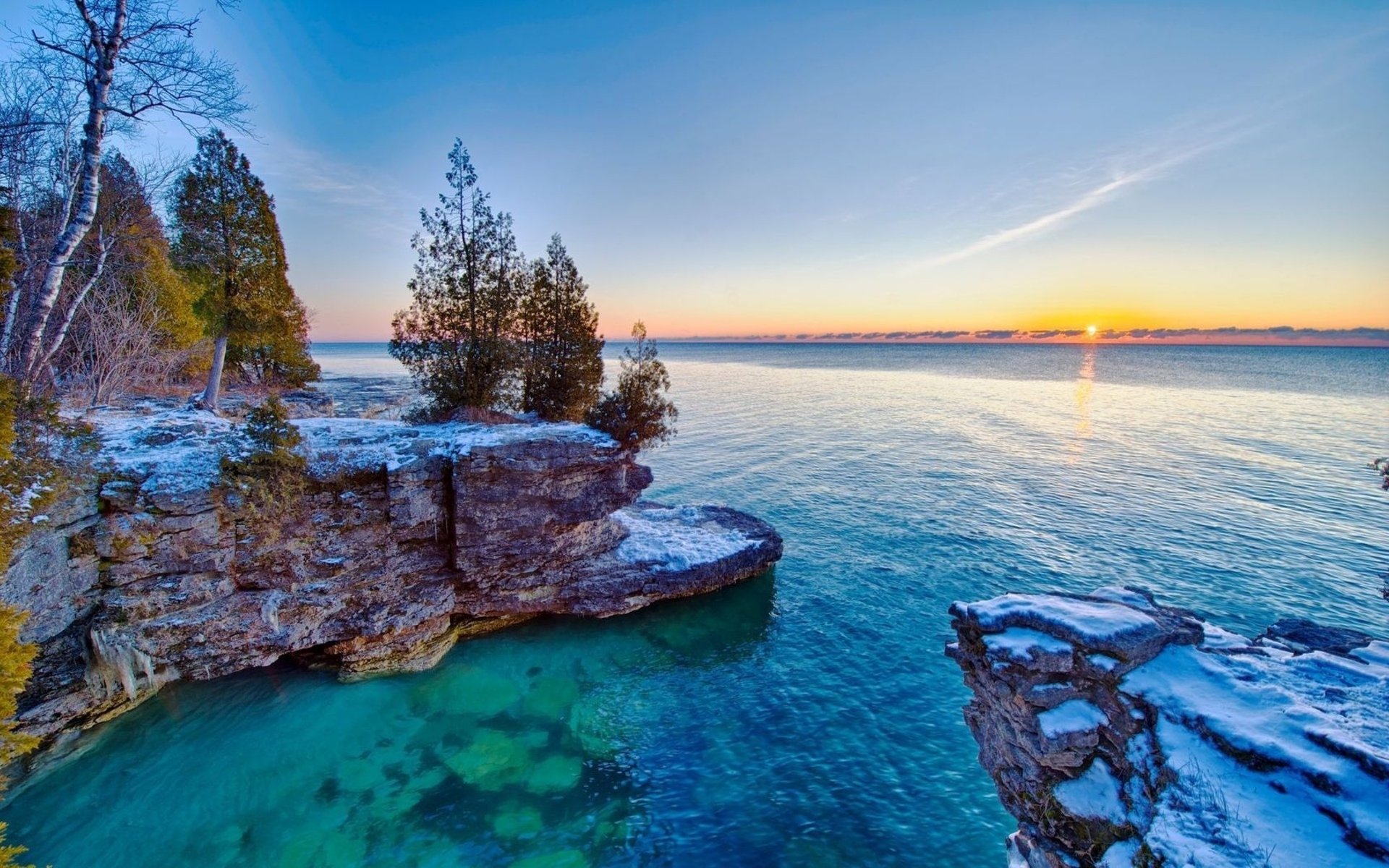
Michigan's outdoor culture runs deep. From the rocky ridges of the Upper Peninsula to the sprawling shorelines of Lake Michigan, millions of residents and visitors define their weekends by casting lines, tracking game, and protecting public lands. The Michigan sportsman community isn't just a collection of hobbyists; it's a massive cultural and economic engine that shapes how the Great Lakes State manages its natural wealth.
Hunting, fishing, trapping, and wildlife watching drive billions of dollars into rural and urban economies alike. At the same time, these outdoor traditions carry the heavy responsibility of habitat preservation. Let's look at how Michigan's sportsmen unite to sustain their heritage, fund conservation efforts, and navigate modern challenges like habitat fragmentation and shifting wildlife policies.
The Economic Footprint of Michigan Sportsmen
You can't talk about Michigan's outdoor identity without looking at the numbers. The state consistently ranks among the top in the nation for paid hunting and fishing license holders. According to data from the U.S. Fish and Wildlife Service, millions of participants pour hundreds of millions of dollars into gear, boat fuel, taxidermy, processing, lodging, and dining every single year.
Local economies in towns like Grayling, Newaygo, and Munising depend heavily on seasonal influxes of hunters and anglers. When deer season opens in November or the salmon run peaks in the rivers, small-town main streets experience a vital financial boost.
- Equipment and Gear: Rods, reels, firearms, ammunition, camo apparel, and archery supplies account for the largest share of retail spending.
- Travel and Lodging: Cabins, campgrounds, motels, and local diners stay afloat during shoulder seasons thanks to sportsmen.
- License Fees: Dollars from the Michigan Department of Natural Resources go directly back into wildlife management, hatchery operations, and public land acquisition.
Conservation Roots and Organized Advocacy
Michigan's commitment to wildlife isn't a modern trend. It dates back to early statehood and the creation of formal conservation frameworks. As commercial overharvesting threatened native populations in the late 19th and early 20th centuries, hunters and anglers were among the first to demand strict bag limits and regulated seasons.
Organizations like the Michigan United Conservation Clubs, founded in 1915, gave everyday sportsmen a unified political voice. Instead of working in silos, grassroots conservationists formed coalitions to lobby for habitat protection, clean water acts, and access to public hunting grounds.
This model of hunter-funded conservation—often tied to the North American Model of Wildlife Conservation—ensures that the users pay for the management of the resource. Without license sales and excise taxes on sporting goods through programs like the Pittman-Robertson Act, state wildlife agencies wouldn't have the budgets needed to monitor deer herds, turkey populations, or wetland health.
Modern Challenges Facing the Community
Even with a rich history and strong economic backing, Michigan's outdoor enthusiasts face complex hurdles today. Urban sprawl eats up thousands of acres of prime deer and turkey habitat annually. Meanwhile, invasive species like zebra mussels, quagga mussels, and various aquatic weeds threaten native fish populations in inland lakes and the Great Lakes basin.
Navigating state regulations is another constant friction point. Sportsmen often find themselves caught between strict conservation mandates and practical access. For example, adjusting bag limits to rebuild a struggling pheasant or grouse population can spark fierce debates among hunters who feel over-regulated.
- Habitat Loss: Converting woodlots and wetlands into housing developments reduces carrying capacity for white-tailed deer, waterfowl, and small game.
- Access Issues: Private land posting limits public hunting opportunities, concentrating more pressure on state-owned public lands.
- Chronic Wasting Disease (CWD): Managing CWD in Michigan's deer herd requires difficult policy shifts, baiting bans, and mandatory check stations that test the patience of traditional hunters.
Practical Steps for Supporting Michigan Outdoors
If you want to keep Michigan's outdoor traditions alive, writing a check isn't enough. Active participation makes a real difference. Here is how modern sportsmen contribute directly to the state's ecological health:
- Buy Your Licenses Early: Even if you don't plan to harvest a limit, purchasing hunting and fishing licenses provides direct funding to DNR conservation officers and biologists.
- Participate in Habitat Days: Join local chapters of organizations like Ducks Unlimited, the National Wild Turkey Federation, or local watershed councils for tree plantings and stream cleanups.
- Report Invasive Species: Use state apps to report sightings of invasive plants, feral swine, or diseased wildlife to help researchers track threats.
- Mentor New Hunters and Anglers: Introduce friends or youth to ethical hunting, catch-and-release fishing, and firearm safety to pass down the conservation ethic.
Frequently Asked Questions
How does hunting fund conservation in Michigan?
License fees and federal excise taxes on firearms, ammunition, and fishing tackle go directly into the Michigan DNR game and fish protection funds. These funds pay for habitat restoration, wildlife research, and public land purchases.
What is the economic impact of outdoor recreation in Michigan?
Outdoor recreation generates roughly 8 to 10 billion dollars annually in Michigan, supporting tens of thousands of jobs across retail, hospitality, and guide services.
How are deer populations managed in the state?
The Michigan DNR uses biological data, hunter harvest surveys, and mandatory check stations to set antlerless quotas, season lengths, and disease-management zones across different regions.
Can anyone hunt or fish on public land in Michigan?
Yes. Michigan boasts millions of acres of state forest, state game areas, and federal national forest land open to licensed hunters, anglers, and foragers, subject to specific seasonal regulations.


