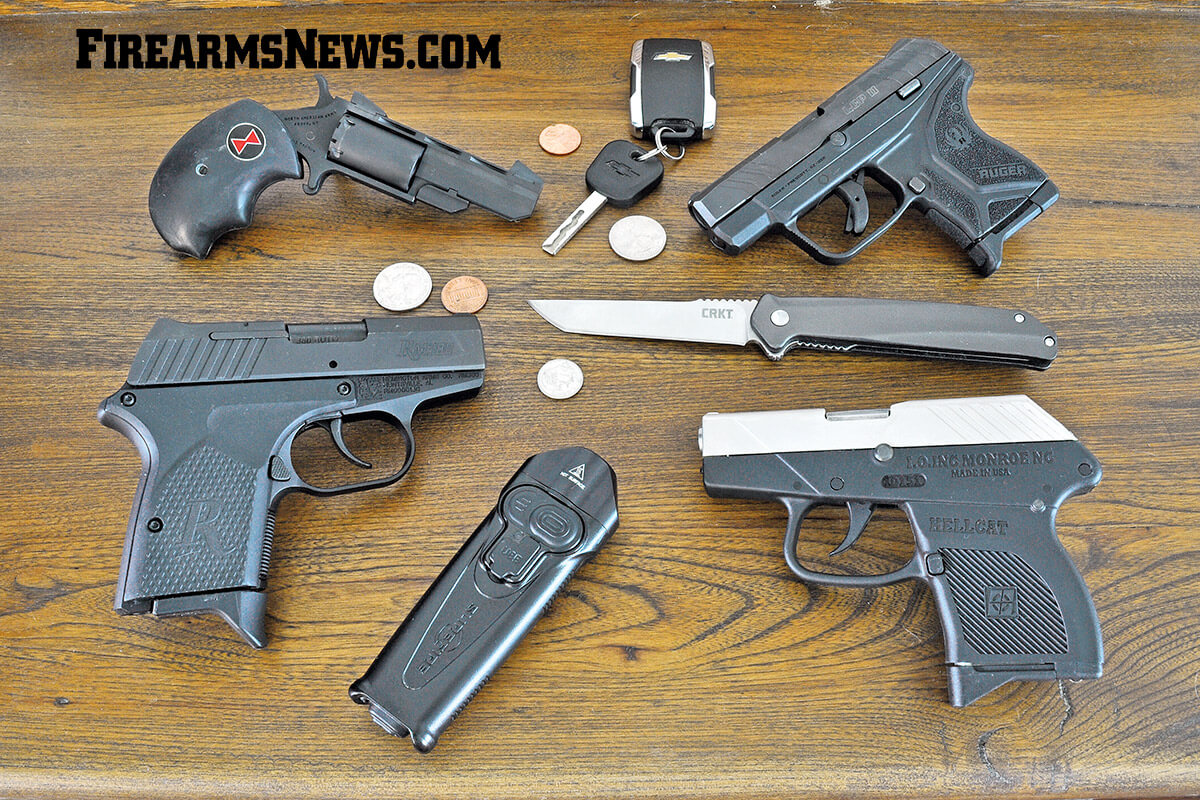
Navigating gun shows in Michigan offers collectors and enthusiasts access to a diverse marketplace featuring historic military surplus, modern sporting rifles, custom knives, and specialized reloading components. Events span from major exhibition centers in Novi and Grand Rapids to regional community halls, drawing thousands of attendees seeking unique hardware and face-to-face networking.
Understanding what to expect on the convention floor requires looking beyond the general excitement. Whether you're hunting for a rare C&R (Curio & Relic) piece or stocking up on bulk ammunition, knowing local event protocols, state acquisition laws, and negotiation tactics ensures a productive visit.
Major Venues and Prominent Michigan Circuits
Michigan hosts a steady rotation of exhibitions managed by experienced promoters who establish predictable regional schedules. Knowing which venues anchor the state's collector circuit helps you plan ahead.
- Suburban Collection Showplace (Novi): Frequently hosts large-scale events featuring hundreds of vendor tables with wide selections of modern firearms, optics, and tactical gear.
- Washtenaw Farm Council Grounds (Ann Arbor): Regularly utilized by historical collectors and traditional hunting clubs, offering an extensive array of hunting rifles and vintage accessories.
- Madison Place Event Center (Madison Heights): Home to specialized antique arms presentations focusing on heritage pieces, military artifacts, and pre-1898 firearms.
- Grand Rapids & Western Circuits: Regional hubs like Rogers Plaza in Wyoming host frequent gatherings centered on hunting utilities, custom knives, and sporting goods.
Navigating State Firearm Regulations at Exhibitions
Buying or selling at a Michigan venue requires strict adherence to federal and state statutory frameworks. Michigan law distinguishes clearly between private party transfers and purchases made through licensed dealers.
Federal Firearms License (FFL) holders operating tables on-site must conduct standard background checks via the National Instant Criminal Background System (Nicks) for retail handguns and long guns. If you purchase from an FFL dealer, expect to complete the ATF Form 4473 and wait for clearance before taking possession.
For private transactions between Michigan residents, recent legislative updates have introduced universal background check requirements for all firearm types, including long guns. It's essential to verify current state compliance standards through official resources like the Michigan State Police before completing any peer-to-peer exchange on or off the showroom floor.
What to Bring and How to Inspect Firearms Safely
Walking into a bustling exhibition hall without a plan can lead to missed opportunities or safety violations. Experienced attendees prepare meticulously before heading out.
- Cash is King: While some commercial vendors accept credit cards for a fee, private sellers heavily favor cash transactions. Carrying small denominations gives you better leverage during price negotiations.
- Valid Identification: Bring your Michigan driver's license or state ID. If you hold a valid Concealed Pistol License (CPL), bring it along, as it streamlines certain verification steps with commercial vendors.
- Inspection Etiquette: Always ask the seller for permission before handling any firearm. When a piece is handed to you, immediately open the action to verify it's unloaded, regardless of what the seller claims. Never dry-fire a vintage or collector piece without explicit permission.
Finding Rare Collectibles and Ammunition Deals
Beyond standard polymer handguns, these exhibitions serve as primary hunting grounds for specialized gear that local retail gun shops rarely stock.
Military surplus rifles, bayonets, trench art, and obsolete cartridge boxes draw serious historians. If you collect historical hardware, look for tables displaying C&R-eligible firearms manufactured over fifty years ago. Inspect bore conditions closely using a small penlight, and check matching serial numbers across the receiver, bolt, and barrel to determine authentic collector value.
Ammunition pricing varies widely between commercial box-sellers and bulk reloaders. While you can often find competitive deals on target loads or hard-to-find calibers, always inspect reloaded ammunition carefully for signs of casing deformation, cracked necks, or improper seating depth. Avoid purchasing reloads from unknown hobbyists unless you trust their manufacturing process.
Common Mistakes to Avoid
First-time visitors often fall into predictable traps that diminish their experience or compromise safety.
- Ignoring Admission and Parking Fees: Many venues charge cash-only parking and entry fees ranging from $8 to $12. Don't rely on finding an ATM inside the venue.
- Bringing Loaded Firearms: Most promoters enforce a strict unloaded-only policy. Guns brought in for trade or sale are typically zip-tied at the entrance by security staff. Never bring live ammunition to test fit into a prospective firearm purchase.
- Rushing the First Pass: Walking straight to the first table and buying out of impulse is a fast way to overspend. Walk the entire floor once to gauge overall market pricing before committing your cash.
Frequently Asked Questions
Do I need a permit to buy a rifle at a Michigan show?
State laws require background checks for all purchases. FFL dealers process these electronically on-site, while private transfers must comply with current statutory verification requirements. Always check up-to-date guidelines via the Bureau of Alcohol, Tobacco, Firearms and Explosives.
Can I sell or trade my own firearm at an event?
Yes. Most venues feature a designated check-in station where security will inspect and secure your firearm with a zip-tie, making it clear that it's an unloaded piece available for private sale or trade to other attendees or vendors.
Are children allowed to attend?
Policies vary by promoter and venue, but most shows permit minors when accompanied by a parent or legal guardian. It's wise to check the specific promoter's website prior to traveling.
What should I look for when buying antique firearms?
Focus heavily on structural integrity, original finish preservation, and matching numbers. If you're investing in high-value historical pieces, ask for a certificate of authenticity or a detailed bill of sale from an established collector.


