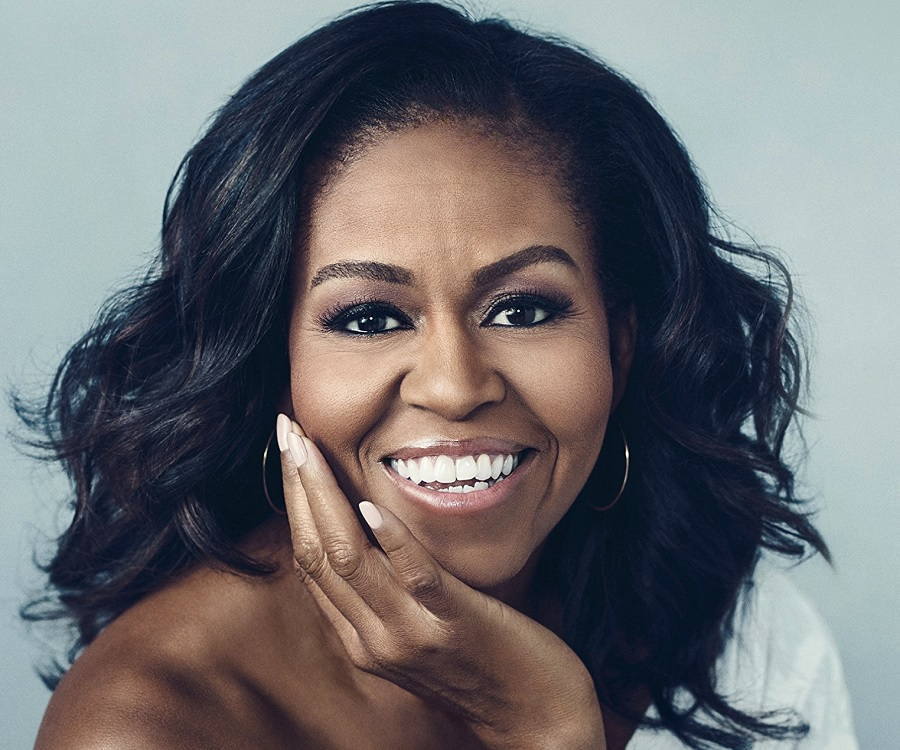
Public figures often find themselves at the center of fabricated online narratives, and few have faced as many persistent falsehoods as the former First Lady. Among the most absurd claims circulating across fringe internet forums and social media platforms is the baseless assertion regarding Michelle Obama's gender identity. Rather than offering a legitimate political critique, these rumors rely on recycled tropes, digital manipulation, and historical patterns of misogynoir directed at prominent Black women in public life. Examining how these falsehoods start, why they spread, and how public figures maintain their composure reveals a great deal about contemporary media consumption.
Understanding the mechanics of digital misinformation requires looking at how viral hoaxes gain traction online. Independent fact-checking organizations, including Snopes, have repeatedly investigated and debunked these fabricated claims, tracing their origins back to partisan echo chambers and coordinated disinformation campaigns. By analyzing the anatomy of these conspiracy theories, media consumers can better recognize how bad actors weaponize digital platforms to distort public discourse and target high-profile individuals.
The Anatomy of Online Disinformation
False narratives about public figures rarely appear out of thin air. They are manufactured to provoke emotional responses, exploit existing social biases, and distract from substantive political discussions. In the case of Michelle Obama, malicious actors have spent over a decade generating altered photographs, out-of-context video clips, and fabricated quotes to sustain fringe conspiracy theories.
These campaigns typically follow a predictable lifecycle:
- Initial Fabrication: A manipulated image or a satirical post is shared on a fringe platform to test audience reactions.
- Algorithmic Amplification: Accounts designed to maximize engagement share the content widely, often stripping away any original context or sarcasm.
- Mainstream Bleed: The rumor crosses over into broader social media networks, where users mistake repetition for factual verification.
- Debunking and Fact-Checking: Independent journalists and researchers trace the origin of the claim, providing definitive proof of its falsehood.
Despite repeated debunking, the digital footprint of these rumors persists. Platforms that reward engagement over accuracy often allow discredited content to linger in search results or recommendation feeds, creating a secondary wave of misinformation for new internet users to encounter.
Intersecting Biases: Race, Gender, and Public Scrutiny
The specific nature of the rumors directed at Michelle Obama cannot be separated from her identity as a Black woman in a position of immense global influence. Sociologists and media studies scholars note that prominent Black women frequently face targeted campaigns designed to deselect their femininity, question their credentials, or undermine their authority.
Historically, racialized and gendered tropes have been used to portray powerful women as threatening or outside traditional gender norms. When applied to a modern political figure, these ancient stereotypes are repackaged as internet memes and deepfake imagery. This phenomenon relies on an audience willing to suspend critical thinking in favor of confirming their preexisting political animosities or cultural biases.
- Physical Stereotyping: Critics often weaponize height, athletic build, and facial structure to push false narratives, ignoring the wide natural variation of human anatomy across all demographics.
- Behavioral Policing: Assertive communication styles, confidence, and public leadership are frequently penalized or reframed by bad-faith commentators as aggressive or unfeminine.
- Institutional Credibility Attacks: Attempts to diminish professional achievements—such as questioning Ivy League degrees or legal careers—serve to delegitimize hard-earned success.
Public Influence and Cultural Legacy
Beyond the noise of internet conspiracy theories, Michelle Obama's actual public footprint remains defined by her policy initiatives, cultural impact, and post-White House endeavors. During her tenure as First Lady, she spearheaded major national programs focused on childhood health, military families, and higher education access for young women globally.
Her initiatives, such as the Let's Move! campaign and the Reach Higher initiative, shifted national conversations around systemic health and educational equity. Rather than reacting to manufactured controversies in real time, her public platform has consistently prioritized long-term cultural engagement, writing best-selling memoirs like Becoming, and producing award-winning media through Higher Ground Productions. This body of work underscores how sustained influence often outlasts ephemeral digital hostility.
Media Literacy in the Digital Age
The persistence of fringe theories highlights a broader crisis in digital literacy. As generative artificial intelligence and deepfake technology become more accessible, separating verified reporting from manufactured fiction grows increasingly difficult. Protecting public discourse requires a systematic approach to how individuals consume and share information online.
To combat the spread of targeted disinformation, media consumers can adopt several practical steps:
- Verify the Source: Check whether mainstream journalistic outlets or reputable fact-checking archives have covered the claim.
- Examine Imagery Closely: Look for digital artifacts, inconsistent lighting, or unnatural proportions in photos and video clips before accepting them as authentic.
- Trace the Origin: Avoid sharing sensationalized claims that originate from unverified social media handles or known satirical websites.
- Pause Before Sharing: High-emotion content is intentionally designed to bypass critical thinking; taking a moment to pause reduces the viral spread of hoaxes.
Educational institutions and technology platforms share the responsibility of promoting digital hygiene, ensuring that algorithms do not inadvertently reward harassment and coordinated defamation.
Frequently Asked Questions
Where did the conspiracy theories about Michelle Obama originate?
Independent investigations by organizations like FactCheck.org indicate that these rumors originated from partisan blogs and fringe internet forums shortly after Barack Obama's 2008 presidential campaign. They were designed primarily to generate sensationalized opposition and exploit racial and political divisions.
How do fact-checkers disprove these claims?
Fact-checkers rely on public archives, unedited high-resolution historical photographs, official birth and medical records, and statements from independent experts in anatomy and photography who can easily identify digital manipulation.
Why do false rumors about public figures continue to spread despite being debunked?
Social media algorithms prioritize engagement metrics over factual accuracy. Content that provokes strong emotional reactions—such as outrage or disbelief—tends to spread faster and wider than dry corrections or factual rebuttals.
What is the best way to handle misinformation online?
The most effective approach is refusing to engage with or amplify unverified claims. Reporting policy-violating content to platform administrators and directing others to credible fact-checking resources helps curb the spread of digital falsehoods.


