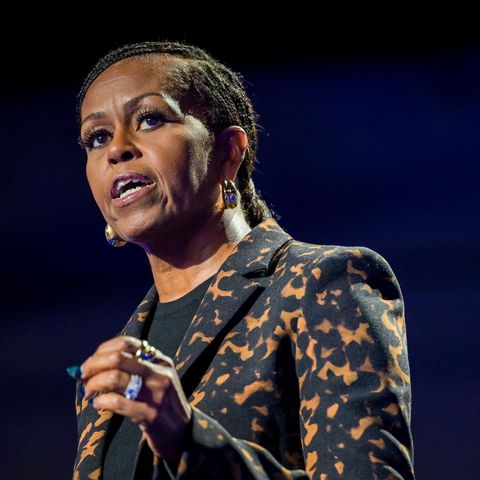
When people search for information regarding the pregnancy journey of the former first lady, they often encounter superficial galleries or vague rumors. Yet, the true story behind Michelle Obama's family planning is far more profound than standard picture-driven narratives suggest. Her path to motherhood involved navigating deep personal loss, acknowledging the realities of biological timelines, and utilizing medical science to build her family.
In her bestselling memoir Becoming, Michelle Obama detailed how she and Barack Obama experienced a miscarriage and subsequently turned to in vitro fertilization (IVF) to conceive their daughters, Malia and Sasha. By pulling back the curtain on these private struggles, she shifted public discourse around fertility and shattered long-standing taboos. This account examines the reality of her path to motherhood, the hurdles she faced, and the wider cultural shift that followed her disclosures.
The Reality Behind the Headlines
Public fascination with the private lives of political figures often overlooks the physical and emotional toll of starting a family under intense public scrutiny. While many internet searches point toward photo collections or speculative timelines, the actual history is rooted in resilience.
Michelle Obama was in her mid-thirties—balancing demanding career aspirations and a rising political life with her husband—when they realized natural conception was not working as expected. Like millions of couples worldwide, they faced the shock and isolation of pregnancy loss. Rather than concealing these struggles behind a veneer of effortless perfection, she later chose to share them to comfort others who felt isolated in their own experiences.
Navigating Miscarriage and Isolation
The former first lady has spoken candidly about how a miscarriage feels like a lonely, internal failure. When a pregnancy ends unexpectedly, many individuals blame their own bodies, assuming something broke or malfunctioned.
- The silence of loss: For decades, societal norms dictated that early pregnancy loss should be grieved in private, leaving individuals to suffer without community support.
- The biological clock: Michelle Obama pointed out that the biological clock is real, noting that egg production decreases significantly as women age into their mid-thirties.
- Breaking the stigma: By admitting that she felt lost and incomplete after her miscarriage, she gave voice to a grief that is statistically common yet rarely discussed openly in political circles.
Turning to In Vitro Fertilization
When natural conception proved difficult following their loss, the Obamas chose to pursue medical assistance. In vitro fertilization offered a viable pathway, but the process demanded emotional strength, physical endurance, and precise medical timing.
How the IVF Process Shaped Their Family
Conceiving Malia and Sasha required clinical intervention. The procedure involves stimulating egg production, retrieving mature eggs, fertilizing them in a laboratory setting, and transferring viable embryos.
- The physical demands: Hormone injections and frequent monitoring are standard parts of the protocol, requiring patients to manage rigorous medication schedules alongside professional and personal duties.
- The emotional weight: IVF offers hope, but it does not guarantee immediate success. Couples frequently navigate cycles of uncertainty, waiting anxiously for lab results and viability updates.
- Choosing transparency: By revealing that her daughters were conceived via IVF, Michelle Obama demystified a medical procedure that millions of families rely on quietly.
Cultural Impact and Public Response
When these details became public knowledge upon the release of her memoir, the reaction was swift and widespread. Medical professionals, advocacy groups, and everyday parents praised her honesty.
Organizations focused on reproductive health noted a sharp increase in public inquiries regarding fertility preservation and IVF. By addressing these topics directly, she normalized conversations that were previously confined to doctor's offices. Her experience highlighted that even individuals who go on to occupy the highest offices in the land experience the universal vulnerabilities of human biology.
Changing the Conversation on Women's Health
Public figures wield immense influence over what society chooses to talk about. When a prominent leader normalizes discussions around fertility treatments, it alters how workplaces, healthcare systems, and communities view reproductive challenges.
- Encouraging proactive health: Open dialogue prompts younger adults to learn about AMH levels, egg freezing, and reproductive tracking earlier in life.
- Fostering empathy: Friends and family members gained better language to support loved ones experiencing infertility or pregnancy loss.
- Redefining strength: True resilience isn't about avoiding hardship; it's about building a family and speaking truth despite vulnerability.
Frequently Asked Questions
Did Michelle Obama experience fertility struggles with both children?
Yes. Both of their daughters, Malia and Sasha, were conceived through in vitro fertilization after the couple faced difficulties following a miscarriage.
Why did Michelle Obama decide to share her IVF story?
She wanted to combat the isolation that people feel when facing fertility issues or pregnancy loss, noting that keeping these struggles secret makes individuals feel like they are uniquely broken.
How old was Michelle Obama when she had her children?
Malia was born in 1998 when Michelle was 34, and Sasha was born in 2001 when she was 37, aligning with the timeframe during which they utilized assisted reproductive technology.
What message does her story send to modern families?
Her journey emphasizes that building a family can involve unexpected obstacles, and seeking medical science or emotional support is a sign of strength rather than failure. Learn more about reproductive health resources through the Office on Women's Health.



